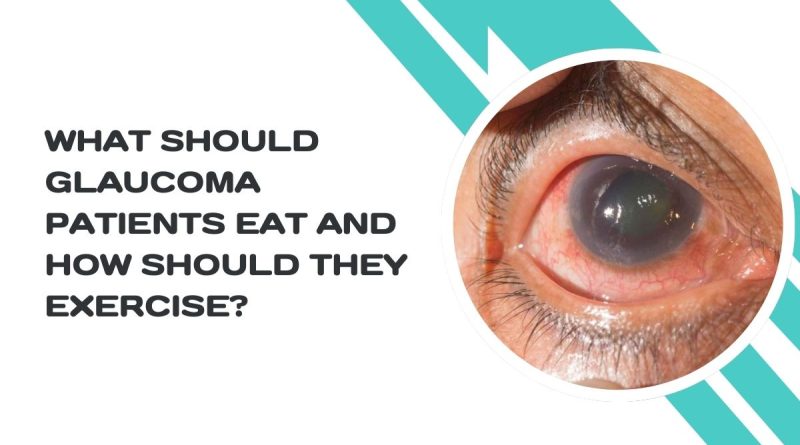
What Should Glaucoma Patients Eat and How Should They Exercise?
Glaucoma is a chronic eye condition that can gradually damage the optic nerve, often without noticeable symptoms in the early stages. While medical treatment and regular eye check-ups remain the foundation of glaucoma management, daily lifestyle choices—especially diet and exercise—play a supportive role in protecting vision and overall eye health. Understanding what to eat and how to exercise safely can help glaucoma patients feel more in control of their condition and long-term well-being.
Understanding the Role of Lifestyle in Glaucoma
Glaucoma is commonly associated with increased intraocular pressure (IOP), but factors such as blood circulation, inflammation, and oxidative stress also influence disease progression. A balanced diet and appropriate physical activity can help improve blood flow to the eyes, reduce oxidative damage, and support general health. However, lifestyle measures should always complement, not replace, medical advice from an experienced eye doctor in South Delhi.
What Should Glaucoma Patients Eat?
1. Leafy Green Vegetables
Leafy greens like spinach, kale, mustard greens, and broccoli are rich in nitrates, antioxidants, and vitamins A, C, and K. These nutrients support healthy blood flow and may help reduce the risk of optic nerve damage. Including a variety of green vegetables daily can be beneficial for overall eye health.
2. Colorful Fruits and Vegetables
Brightly colored fruits and vegetables—such as oranges, berries, carrots, bell peppers, and tomatoes—are packed with antioxidants. Vitamin C, beta-carotene, and flavonoids help combat oxidative stress, which is believed to play a role in glaucoma progression. Nutrition guidance from an eye doctor in South Delhi often emphasizes variety and balance rather than restrictive diets.
3. Omega-3 Fatty Acids
Omega-3 fatty acids support healthy blood circulation and may help reduce inflammation. Fatty fish like salmon, sardines, and mackerel are excellent sources. Vegetarian options include flaxseeds, walnuts, and chia seeds. Moderate intake as part of a balanced diet is generally recommended.
4. Nuts, Seeds, and Whole Grains
Almonds, sunflower seeds, whole grains, and legumes provide vitamin E, magnesium, and zinc. These nutrients support nerve health and overall metabolism. Magnesium, in particular, may help improve blood flow to the optic nerve.
5. Hydration and Smart Beverage Choices
Staying well hydrated is important, but glaucoma patients should avoid drinking large volumes of water at once, as this may temporarily increase eye pressure. It is better to sip water throughout the day. Limiting excessive caffeine intake is also advisable, as high caffeine consumption may cause short-term spikes in IOP. Many patients discuss such practical tips with their eye doctor in South Delhi during routine visits.
Foods and Habits to Be Careful About
Highly processed foods, excessive salt, and sugary snacks should be limited, as they can negatively affect blood pressure and circulation. Smoking should be avoided, as it increases oxidative stress and harms blood vessels, including those supplying the eyes. Alcohol should be consumed, if at all, in moderation and only after consulting an eye care professional.
How Should Glaucoma Patients Exercise?
1. Benefits of Regular Physical Activity
Regular, moderate exercise can help lower intraocular pressure, improve blood circulation, and support cardiovascular health. Activities such as walking, swimming, cycling, and light jogging are generally considered safe and beneficial for most glaucoma patients.
2. Best Types of Exercise
- Brisk walking: Improves circulation and can be done daily.
- Swimming: Gentle on joints and supports overall fitness.
- Stationary cycling: Helps maintain cardiovascular health without strain.
These forms of exercise are often recommended by an experienced eye specialist doctor in Delhi as part of a healthy routine.
3. Exercises to Avoid or Modify
Certain activities can increase eye pressure temporarily and should be approached with caution. Heavy weightlifting, intense straining, or exercises that involve prolonged inverted positions—such as headstands or extreme yoga poses—may not be suitable. Always discuss your exercise routine with your ophthalmologist, especially if your glaucoma is advanced.
4. Consistency Over Intensity
Short, regular sessions of moderate exercise are more beneficial than occasional intense workouts. Even 30 minutes of walking most days of the week can make a meaningful difference. Patients who receive care from the best eye surgeon in Delhi are often advised to focus on safe, sustainable habits rather than pushing physical limits.
The Importance of Medical Guidance
Diet and exercise are supportive tools, but they cannot replace prescribed medications, laser treatments, or surgery when needed. Regular eye examinations are essential to monitor eye pressure and optic nerve health. A trusted eye hospital in South Delhi can provide comprehensive care, combining advanced diagnostics with personalized lifestyle guidance.
Final Thoughts
Living with glaucoma requires a proactive and informed approach. By choosing nutrient-rich foods, staying hydrated wisely, and engaging in safe, regular exercise, patients can support their eye health and overall quality of life. These lifestyle choices, when combined with timely medical care and ongoing guidance from an eye doctor in South Delhi, empower patients to manage glaucoma more confidently and effectively.