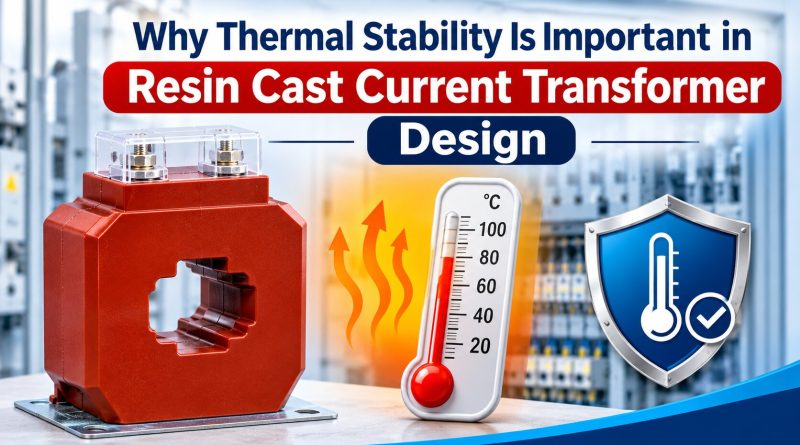
Why Thermal Stability Is Important in Resin Cast Current Transformer Design
Electrical systems used in industries, commercial buildings, and power distribution networks must operate reliably under different load conditions. During normal operation, electrical equipment generates heat due to current flow and internal energy losses. If this heat is not managed properly, it can affect insulation, measurement accuracy, and equipment lifespan.
Current transformers are important components of electrical measurement and protection systems. They convert high primary current into a lower secondary current that can be measured by meters and protective relays. Since these devices operate under varying electrical and environmental conditions, thermal stability becomes an important factor in their design.
A Resin Cast Current Transformer uses insulating resin to protect its internal components and provide electrical insulation. Understanding the importance of thermal stability helps electrical engineers and industrial buyers select suitable equipment for dependable long-term operation.
1. What Is Thermal Stability in a Current Transformer?
Thermal stability refers to the ability of an electrical component to maintain its required performance when exposed to temperature variations and heat generated during operation.
In current transformers, heat is mainly produced through electrical resistance in the windings and magnetic losses in the core. The amount of heat depends on operating current, conductor resistance, magnetic material, and environmental temperature.
A thermally stable transformer should operate within its specified temperature limits without unacceptable deterioration of insulation, mechanical strength, or electrical performance.
This characteristic is particularly important in industrial environments where electrical equipment may operate continuously for extended periods.
2. How Heat Is Generated Inside a Current Transformer
Understanding the sources of heat helps explain why thermal management is necessary in current transformer design.
Winding Losses: When current flows through primary and secondary windings, electrical resistance produces heat. These losses are commonly known as copper losses.
Core Losses: The magnetic core experiences hysteresis and eddy current losses during alternating magnetic operation. These losses contribute to internal heat generation.
Continuous Electrical Loading: Operating under heavy electrical loads for extended periods can increase the temperature of internal components.
Ambient Temperature: High surrounding temperatures can reduce the transformer’s ability to release internally generated heat.
A properly designed transformer considers these factors to maintain acceptable operating temperatures under specified conditions.
3. Importance of Resin Quality in Thermal Stability
The insulating resin used in a current transformer plays an important role in its electrical and thermal performance. It surrounds internal components, provides insulation, and supports the overall structure.
The resin material should be suitable for the intended operating temperature and environmental conditions.
Important properties include:
- Thermal resistance: The resin should withstand specified operating temperatures without unacceptable deterioration.
- Mechanical strength: It should maintain structural integrity during normal operation.
- Electrical insulation: It should provide suitable dielectric strength.
- Dimensional stability: Temperature changes should not cause unacceptable deformation.
- Moisture resistance: Suitable moisture resistance helps protect internal components.
The selection of appropriate resin materials and controlled manufacturing processes contributes to the reliability of a Resin Cast Current Transformer.
4. How Thermal Stability Protects Electrical Insulation
Electrical insulation prevents unwanted contact between components operating at different electrical potentials. It is one of the most important elements of a current transformer.
Continuous exposure to excessive heat can accelerate insulation ageing. Over time, this may affect the dielectric properties and mechanical strength of insulating materials.
Temperature fluctuations can also create internal mechanical stress because different materials may expand and contract at different rates.
Proper thermal design helps reduce the possibility of premature insulation ageing, cracks, reduced dielectric performance, and unexpected equipment failures.
Maintaining operation within the manufacturer’s specified temperature limits is essential for reliable performance.
5. Relationship Between Thermal Stability and Measurement Accuracy
Current transformers provide electrical signals to meters, monitoring systems, and protective relays. Their accuracy depends on factors such as magnetic core properties, winding design, operating current, frequency, and connected burden.
Excessive temperature can influence winding resistance and magnetic characteristics. These changes may affect measurement performance under certain operating conditions.
For industrial applications, accurate current measurement is important for energy monitoring, load management, and electrical protection.
When selecting an Industrial Current Transformer, buyers should evaluate the current ratio, accuracy class, rated burden, insulation level, and specified operating temperature range.
6. Applications Where Thermal Stability Matters
Current transformers are used in several electrical installations where dependable measurement and monitoring are required.
Manufacturing Plants: They monitor electrical loads connected to motors, machinery, and production equipment.
Electrical Substations: They provide current signals for metering and protection systems under changing load conditions.
Switchgear Assemblies: They support electrical monitoring in distribution and control equipment.
Commercial Buildings: They help monitor electricity consumption and electrical loads in large buildings.
Renewable Energy Systems: They are used in suitable solar and other renewable energy installations for measurement and protection.
In these applications, selecting a suitable transformer helps maintain reliable electrical monitoring.
7. Resin Cast vs Moulded Case Current Transformers
Different current transformer designs use different insulating materials and enclosure arrangements.
A resin cast design uses insulating resin to encapsulate and protect internal components. Its thermal performance depends on resin quality, casting processes, internal construction, and heat dissipation characteristics.
A Moulded Case Current Transformer generally uses a moulded insulating enclosure to house its internal magnetic core and windings.
The main factors to compare include:
- Insulation material and thermal characteristics.
- Rated operating temperature.
- Permissible temperature rise.
- Primary and secondary current ratings.
- Installation arrangement and ventilation.
- Applicable technical standards.
Neither design is automatically better for every application. The appropriate selection depends on electrical ratings and installation requirements.
8. Installation Factors That Influence Thermal Performance
Even a well-designed current transformer may experience thermal problems if installed incorrectly or operated outside its specified limits.
Several factors should be considered during installation.
Correct Current Rating: The selected transformer should match the expected operating current.
Proper Ventilation: Adequate airflow around electrical equipment helps release accumulated heat.
Secure Connections: Loose electrical connections can create additional resistance and localized heating.
Suitable Mounting: Correct mounting helps avoid unnecessary mechanical stress.
Environmental Conditions: Ambient temperature, humidity, dust, and surrounding equipment can influence thermal performance.
Following the manufacturer’s installation instructions helps maintain safe and dependable operation.
9. Maintenance Practices for Long-Term Performance
Regular inspection helps identify potential problems before they affect electrical system performance. Although resin cast current transformers generally require less insulation-related maintenance than liquid-insulated equipment, periodic checks remain important.
Recommended maintenance practices include:
- Inspect the resin body for visible cracks or damage.
- Check electrical terminals for loose connections.
- Monitor operating temperatures where suitable facilities are available.
- Verify current measurements and connected instrument performance.
- Inspect secondary wiring and terminal arrangements.
- Ensure the equipment operates within specified ratings.
Maintenance and testing should be performed by qualified electrical personnel using appropriate safety procedures.
A reliable Industrial Current Transformer should always be selected and maintained according to the manufacturer’s recommendations.
10. What to Check Before Selecting a Current Transformer
Industrial buyers and electrical engineers should evaluate several specifications before purchasing a current transformer.
- Current Ratio: Confirm that primary and secondary ratings match the application.
- Accuracy Class: Select the appropriate class for metering or protection.
- Rated Burden: Check compatibility with connected meters, relays, and wiring.
- Insulation Level: Verify suitability for the electrical system voltage.
- Temperature Limits: Review ambient temperature and permissible temperature rise.
- Construction Quality: Consider the magnetic core, winding arrangement, and insulating material.
- Manufacturer Support: Check product documentation, testing information, and warranty conditions.
These considerations are also important when evaluating a Moulded Case Current Transformer for industrial electrical panels.
Conclusion
Thermal stability is an essential factor in current transformer design because it influences insulation performance, measurement reliability, and equipment lifespan. Heat generated through winding resistance and magnetic losses must remain within specified operating limits.
For resin cast current transformers, insulating resin quality, internal construction, manufacturing processes, and installation conditions all contribute to thermal performance.
By evaluating temperature ratings alongside current ratio, accuracy class, insulation level, and rated burden, electrical professionals can select suitable equipment for their applications. Proper installation and regular inspection further support reliable operation in industrial and commercial electrical systems.
Frequently Asked Questions (FAQs)
- What is thermal stability in a resin cast current transformer?
Thermal stability is the ability of a current transformer to maintain its required electrical and mechanical performance while operating within specified temperature limits.
- Why is thermal stability important in current transformers?
It helps protect insulation, maintain measurement performance, reduce heat-related deterioration, and support reliable operation.
- What causes heat generation in a current transformer?
Heat is mainly generated through electrical resistance in the windings and magnetic losses in the core. Operating current and ambient temperature also influence thermal conditions.
- How does resin improve current transformer performance?
Suitable insulating resin provides electrical insulation and mechanical support while protecting internal components under specified operating conditions.
- Can excessive heat affect current transformer accuracy?
Yes. Excessive temperature can influence winding resistance and magnetic characteristics, potentially affecting measurement performance.