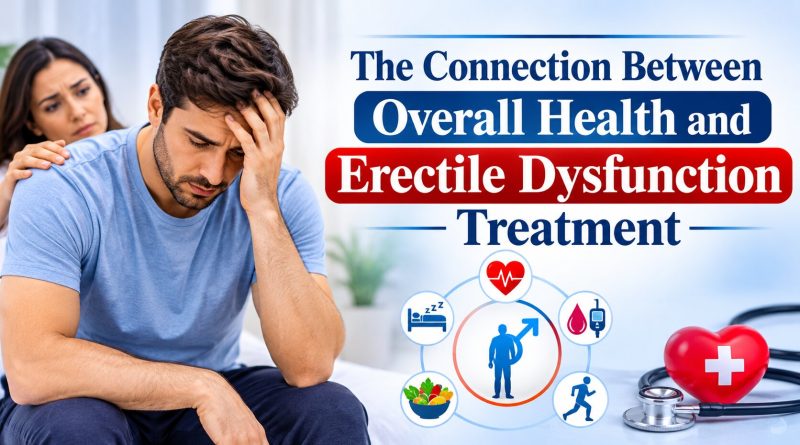
The Connection Between Overall Health and Erectile Dysfunction Treatment
Erectile dysfunction (ED) is a common men’s health concern that can affect physical well-being, emotional confidence, and personal relationships. It refers to the difficulty of achieving or maintaining an erection firm enough for satisfactory sexual activity. Although occasional erection difficulties may happen due to stress, tiredness, or temporary health issues, repeated problems may indicate an underlying medical condition that requires attention.
Sexual health is closely connected to overall health. Conditions such as diabetes, high blood pressure, heart disease, obesity, and hormonal imbalances can influence blood circulation, nerve function, and hormone levels, all of which play important roles in normal erectile function. Understanding these connections helps individuals recognise potential health concerns and seek appropriate medical guidance.
Seeking erectile dysfunction treatment in Jaipur can help men understand the possible causes of their symptoms and explore suitable medical management options. With proper evaluation, lifestyle improvements, and professional support, many underlying factors contributing to erectile difficulties can be addressed.
1. Understanding the Relationship Between Overall Health and Erectile Function
An erection involves coordination between the brain, nervous system, blood vessels, hormones, and psychological factors. When a man experiences sexual stimulation, signals from the brain and nerves help relax the muscles in the penile blood vessels. This allows increased blood flow, helping the penis become firm.
Any disruption in this process can contribute to erectile difficulties. For example, restricted blood circulation may reduce the amount of blood reaching the penis, while nerve damage can interfere with the signals required for an erection.
Similarly, hormonal imbalances and psychological concerns may affect sexual desire and performance. Therefore, erectile dysfunction should not always be considered an isolated sexual problem. It may sometimes be an early indication of broader health concerns.
2. Diabetes and Its Impact on Sexual Health
Diabetes is one of the important medical conditions associated with erectile dysfunction. Persistently high blood sugar levels can damage blood vessels and nerves over time. These changes may interfere with the processes required to achieve and maintain an erection.
Men with diabetes may experience erectile difficulties due to:
- Damage to nerves responsible for sexual stimulation.
- Reduced blood circulation because of vascular changes.
- Hormonal changes that may affect sexual desire.
- Psychological stress associated with managing a long-term condition.
Maintaining blood sugar levels through medical supervision, appropriate nutrition, physical activity, and prescribed medication can support overall health. Men experiencing persistent erection difficulties should discuss these symptoms with a qualified healthcare professional.
3. Heart Health and Blood Circulation
Healthy blood circulation is essential for normal erectile function. Conditions such as high blood pressure, high cholesterol, and cardiovascular disease can affect the flexibility and functioning of blood vessels.
When arteries become narrowed or damaged, blood flow to different parts of the body may decrease. Since an erection depends on sufficient blood circulation, vascular problems can contribute to erectile dysfunction.
In some cases, erectile difficulties may appear before other noticeable symptoms of cardiovascular disease. This makes medical evaluation important, particularly for men with existing heart-related risk factors.
Managing blood pressure, monitoring cholesterol, avoiding tobacco, and following medical advice can help improve cardiovascular health. Individuals should not ignore repeated erectile difficulties, especially when they also have other cardiovascular risk factors.
4. Obesity and Lifestyle Factors
Excess body weight can influence several processes involved in sexual health. Obesity is associated with insulin resistance, inflammation, hormonal changes, and an increased risk of cardiovascular conditions. These factors may contribute to erectile difficulties.
Certain lifestyle habits can also affect sexual performance, including:
Smoking: Tobacco use can damage blood vessels and negatively affect circulation.
Excessive alcohol consumption: Heavy drinking may interfere with nervous system functioning and sexual performance.
Physical inactivity: A sedentary lifestyle can contribute to weight gain, poor cardiovascular fitness, and metabolic problems.
Unhealthy eating habits: Diets high in processed foods, excess sugar, and unhealthy fats may increase the risk of conditions associated with erectile dysfunction.
Regular physical activity, balanced meals, adequate sleep, and limiting alcohol can support general well-being and may improve some factors associated with erectile function.
5. Stress, Anxiety, and Mental Health
Sexual health is influenced by psychological well-being as much as physical health. Stress, anxiety, depression, relationship difficulties, and performance-related worries can interfere with normal sexual responses.
For example, a man who experiences erection difficulties once may become anxious about future sexual activity. This anxiety can create additional pressure, making it harder to achieve or maintain an erection.
Common psychological factors include:
- Work-related and financial stress.
- Relationship conflicts.
- Depression and anxiety disorders.
- Fear of sexual failure.
- Low self-confidence and negative body image.
Psychological counselling, stress-management techniques, and appropriate medical support may help address these concerns. In some situations, a combination of psychological and physical treatment approaches may be beneficial.
6. Hormonal Imbalances and Erectile Dysfunction
Hormones play an important role in regulating sexual desire and reproductive health. Testosterone is one of the primary male sex hormones and contributes to libido, energy levels, and other aspects of male sexual function.
Low testosterone levels may be associated with reduced sexual desire and, in some individuals, erectile difficulties. However, not every case of erectile dysfunction is caused by low testosterone.
Other medical conditions and certain medications can also influence hormonal balance. Depending on the symptoms, a healthcare professional may recommend blood tests to evaluate testosterone levels and other relevant health indicators.
Hormonal treatment should only be considered when a deficiency has been properly identified and evaluated by a qualified medical professional.
7. How Medical Evaluation Helps Identify the Right Treatment
Erectile dysfunction can have multiple causes, so treatment should be based on an individual’s health condition, medical history, and symptoms.
A medical evaluation may include:
Medical history: The doctor may ask about existing health conditions, medications, lifestyle habits, and the duration of erectile difficulties.
Physical examination: A general examination may help identify possible physical or hormonal concerns.
Blood investigations: Tests may be recommended to check blood sugar, cholesterol, testosterone, and other relevant health parameters.
Psychological assessment: When stress, anxiety, or relationship concerns are suspected, psychological factors may also be evaluated.
After identifying possible contributing factors, the doctor can recommend an appropriate management plan. Options may include lifestyle modifications, counselling, treatment of underlying medical conditions, or prescribed medication.
Men looking for an erectile dysfunction hospital should consider a healthcare facility where sexual health concerns can be evaluated confidentially and treatment recommendations are based on individual medical needs.
8. Available Approaches for Managing Erectile Dysfunction
Treatment depends on the underlying cause, overall health, and individual requirements. Common medical approaches include:
Lifestyle modifications: Improving physical activity, maintaining a healthy weight, eating balanced meals, and stopping smoking can support vascular and metabolic health.
Prescribed medications: Certain medicines can improve blood flow to the penis. However, they are not suitable for everyone, particularly individuals taking nitrate medications or having certain cardiovascular conditions. Medical advice is essential before using them.
Psychological counselling: Counselling may help individuals manage anxiety, stress, depression, and relationship-related concerns.
Hormonal evaluation: If symptoms suggest a hormonal problem, appropriate investigations may be recommended before considering treatment.
Management of underlying conditions: Controlling diabetes, hypertension, and other medical conditions may help improve overall sexual health.
The treatment approach should always be individualised. Self-medication and unverified sexual enhancement products should be avoided.
9. Why Professional Sexual Health Guidance Matters
Many men hesitate to discuss erectile difficulties because of embarrassment, social stigma, or misconceptions about sexual health. However, delaying consultation may allow an underlying medical condition to remain undiagnosed.
A qualified sexologist can help identify contributing factors, explain available treatment options, and recommend suitable medical or psychological support.
Consulting the best sexologist in Jaipur can be a helpful step for men experiencing persistent sexual health concerns. Professional guidance also provides an opportunity to discuss symptoms privately and understand realistic treatment expectations.
10. Meet Dr. Saatiish Jhuntrraa at Vivan Hospital
Dr. Saatiish Jhuntrraa is a leading Sexologist in Jaipur with over 37 years of experience at Vivan Hospital. He specialises in addressing both male and female sexual health concerns and has treated more than 40,000 patients throughout his professional career.
His academic qualifications include:
- MBBS from PGIMS, Rohtak, Haryana, completed in 1983.
- Postgraduate qualification in Psychiatry from CIP, Ranchi, completed in 1988.
- Fellowship examination from the Multidisciplinary Joint Committee of Sexual Medicine, Madrid, Spain, in 2015.
Dr. Jhuntrraa is among the relatively few qualified sexologists in India holding the FECSM qualification. He has presented research papers at national sexual medicine conferences and delivered educational talks on sexual health topics to the Indian Medical Association (IMA) and the general public.
At Vivan Hospital, patients can seek professional guidance for different male and female sexual health concerns, including erectile difficulties. His extensive experience and background in psychiatry and sexual medicine support a comprehensive approach to evaluating sexual health problems.
Conclusion
Overall health and erectile function are closely connected. Diabetes, cardiovascular problems, obesity, hormonal imbalances, stress, and unhealthy lifestyle habits can all contribute to erectile difficulties. Understanding these connections helps men recognise the importance of timely medical evaluation rather than relying on temporary solutions or self-medication.
Appropriate erectile dysfunction treatment in Jaipur can help individuals identify contributing health factors and explore suitable management options. With professional guidance, lifestyle improvements, and proper medical care, many men can work towards better sexual health and overall well-being.
Taking the first step towards consultation can make it easier to address concerns, understand treatment possibilities, and improve confidence in managing personal health.
Frequently Asked Questions
- Can poor overall health cause erectile dysfunction?
Yes. Conditions such as diabetes, high blood pressure, cardiovascular disease, obesity, and hormonal imbalances can affect blood circulation, nerve function, and sexual performance.
- Is erectile dysfunction an early sign of heart disease?
In some men, erectile dysfunction may appear before noticeable cardiovascular symptoms because both conditions can involve blood vessel problems. Medical evaluation can help identify potential cardiovascular risk factors.
- Can lifestyle changes help improve erectile function?
Yes. Regular exercise, a balanced diet, maintaining a healthy weight, quitting smoking, limiting alcohol, and getting sufficient sleep may improve overall health and support erectile function.
- When should someone consult a sexologist for erectile dysfunction?
A man should consider consulting a qualified sexologist when erection difficulties occur repeatedly, persist over time, cause distress, or affect personal relationships. Sudden or persistent symptoms also deserve medical evaluation.
- Is erectile dysfunction always related to low testosterone?
No. Erectile dysfunction can result from vascular, neurological, psychological, hormonal, and lifestyle-related factors. Low testosterone is only one possible contributor.