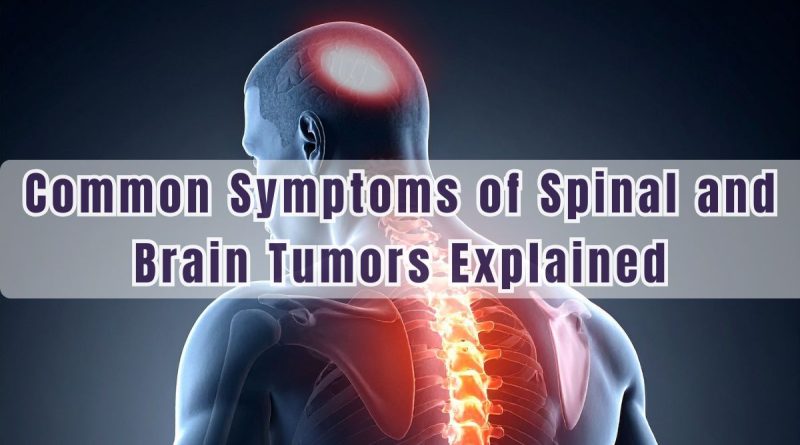
Common Symptoms of Spinal and Brain Tumors Explained
When it comes to neurological health, early detection can make a significant difference in outcomes. Spinal and brain tumors are serious conditions that often develop silently, with symptoms that may initially seem mild or unrelated. Understanding these warning signs can help individuals seek timely medical care and improve the chances of effective treatment.
In this blog, we’ll break down the common symptoms of spinal and brain tumors in a clear, human-friendly way, so you know what to watch for and when to consult a specialist.
What Are Spinal and Brain Tumors?
Spinal and brain tumors are abnormal growths of cells that occur in the central nervous system. These tumors can be benign (non-cancerous) or malignant (cancerous) and may affect nerve function, mobility, and overall body coordination.
Patients seeking Spinal tumor treatment in Jaipur or Brain tumor surgery treatment in Jaipur often present with symptoms that have gradually worsened over time.
Common Symptoms of Brain Tumors
Brain tumors can impact various functions depending on their location and size. Here are the most commonly observed symptoms:
1. Persistent Headaches
One of the earliest and most common signs is a headache that:
- Occurs frequently
- Is worse in the morning
- Intensifies over time
Unlike regular headaches, these may not respond well to standard medications.
2. Seizures
Seizures can occur even in individuals with no prior history of epilepsy. They may involve:
- Sudden jerking movements
- Loss of awareness
- Temporary confusion
This is often a red flag requiring immediate medical evaluation.
3. Nausea and Vomiting
Frequent nausea, especially in the morning, can be linked to increased pressure inside the skull (intracranial pressure).
4. Vision Problems
Patients may experience:
- Blurred or double vision
- Loss of peripheral vision
- Sensitivity to light
These symptoms often occur when tumors affect the optic nerves.
5. Cognitive and Personality Changes
Brain tumors can affect behavior and thinking patterns, leading to:
- Memory issues
- Difficulty concentrating
- Mood swings or personality changes
6. Weakness or Numbness
Weakness in one side of the body, or difficulty in coordination, can indicate tumor growth affecting motor areas of the brain.
Patients experiencing these symptoms are often advised to consult the Best neurosurgeon in Jaipur for accurate diagnosis and timely care.
Common Symptoms of Spinal Tumors
Spinal tumors can affect the spinal cord or surrounding structures, leading to a range of physical symptoms.
1. Back Pain (Most Common Symptom)
Persistent back pain that:
- Does not improve with rest
- Worsens at night
- Radiates to arms or legs
This is often the earliest sign prompting patients to seek Spinal tumor treatment in Jaipur.
2. Numbness or Tingling
A tingling sensation or loss of sensation in the limbs may occur due to nerve compression.
3. Muscle Weakness
Patients may notice:
- Difficulty walking
- Weak grip strength
- Frequent falls
4. Loss of Bladder or Bowel Control
This is a serious symptom indicating spinal cord involvement and requires immediate medical attention.
5. Paralysis (in Advanced Cases)
If untreated, spinal tumors can lead to partial or complete paralysis, depending on their location.
For such conditions, consulting the best spine surgeon in Rajasthan is critical for advanced care and surgical planning.
When Should You See a Doctor?
It’s important not to ignore persistent or worsening symptoms. You should seek medical advice if you experience:
- Continuous headaches or back pain
- Sudden neurological changes
- Unexplained weakness or numbness
- Seizures or vision disturbances
Early diagnosis significantly improves treatment outcomes, especially when dealing with conditions requiring Brain tumor surgery treatment in Jaipur.
Diagnosis of Spinal and Brain Tumors
Doctors use several advanced techniques to diagnose these tumors:
- MRI (Magnetic Resonance Imaging) – Most effective imaging tool
- CT Scan – Helps identify abnormalities
- Biopsy – Confirms the type of tumor
- Neurological Examination – Assesses brain and nerve function
Accurate diagnosis helps specialists determine the best course of treatment.
Treatment Options Available
Treatment depends on the type, size, and location of the tumor, as well as the patient’s overall health.
1. Surgery
Surgical removal is often the first line of treatment, especially in accessible tumors. Many patients opt for Brain tumor surgery treatment in Jaipur due to availability of advanced neurosurgical facilities.
2. Radiation Therapy
Used to destroy tumor cells or prevent their growth.
3. Chemotherapy
Recommended in certain malignant cases to target cancer cells.
4. Targeted Therapy & Rehabilitation
Post-treatment rehabilitation, including physiotherapy, helps restore function and improve quality of life.
Importance of Early Detection
Early detection is key to:
- Preventing complications
- Improving survival rates
- Preserving neurological function
Ignoring symptoms or delaying consultation can lead to irreversible damage.
Final Thoughts
Spinal and brain tumors may begin with subtle symptoms, but they should never be overlooked. Persistent headaches, back pain, neurological deficits, or behavioral changes are your body’s way of signaling that something may be wrong.
If you or a loved one is experiencing such symptoms, consult a qualified specialist promptly. With access to modern diagnostics and expert care in places like Jaipur, patients today have better chances of successful treatment and recovery.
Being informed is the first step toward better health—stay aware, act early, and prioritize your well-being.