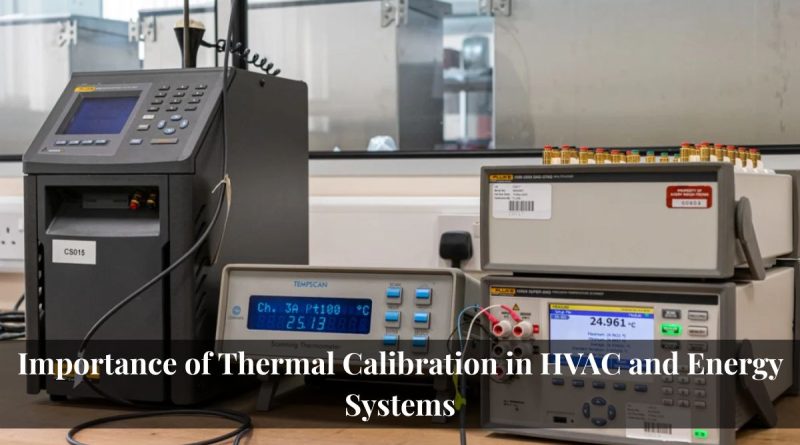
Importance of Thermal Calibration in HVAC and Energy Systems
In industries where temperature accuracy directly impacts performance, safety, and efficiency, thermal calibration is not optional—it is essential. From HVAC systems that regulate indoor comfort to energy systems that ensure optimal power generation, precise temperature measurement forms the backbone of reliable operations. This is where thermal calibration services in India play a critical role in maintaining accuracy, compliance, and system efficiency.
This blog explores the importance of thermal calibration, its role in HVAC and energy systems, and why businesses must prioritize the calibration through certified laboratories.
What is Thermal Calibration?
Thermal calibration refers to the process of verifying and adjusting temperature-measuring instruments such as thermocouples, RTDs (Resistance Temperature Detectors), infrared thermometers, and temperature sensors. The goal is to ensure these instruments provide accurate readings within defined standards.
The calibration of thermal instruments involves comparing a device’s readings against a known reference standard under controlled conditions. Any deviation is corrected or documented to ensure measurement reliability.
Why Thermal Calibration is Crucial in HVAC Systems
HVAC (Heating, Ventilation, and Air Conditioning) systems depend heavily on temperature accuracy to maintain indoor air quality and energy efficiency.
1. Ensures Energy Efficiency
Improperly calibrated sensors can lead to incorrect temperature readings, causing HVAC systems to overwork. This results in increased energy consumption and higher operational costs. Regular thermal calibration ensures optimal performance and energy savings.
2. Maintains Indoor Comfort
Temperature inconsistencies due to faulty instruments can lead to discomfort in residential, commercial, and industrial spaces. Calibration ensures precise control of heating and cooling systems.
3. Enhances System Longevity
When HVAC systems operate based on accurate data, mechanical stress is reduced. This prolongs the lifespan of components and reduces maintenance costs.
4. Supports Regulatory Compliance
Many industries must comply with environmental and safety standards. Using certified thermal calibration services in India ensures HVAC systems meet these regulations.
Importance in Energy Systems
Energy systems, including power plants, renewable energy setups, and industrial boilers, rely on precise thermal measurements for safe and efficient operation.
1. Optimizes Power Generation
Temperature plays a critical role in processes like steam generation and turbine operation. Even slight inaccuracies can impact efficiency and output.
2. Prevents Equipment Failure
Overheating or underheating due to incorrect readings can damage expensive equipment. Regular calibration minimizes risks and ensures system reliability.
3. Improves Safety Standards
Energy systems operate under high temperatures and pressures. Accurate thermal readings are essential to prevent accidents and ensure workplace safety.
4. Supports Sustainability Goals
Efficient energy systems reduce fuel consumption and emissions. Proper calibration contributes to environmentally sustainable operations.
Types of Thermal Instruments That Require Calibration
Thermal calibration is applicable to a wide range of instruments, including:
- Thermocouples
- RTDs (Resistance Temperature Detectors)
- Temperature transmitters
- Infrared thermometers
- Temperature controllers
- Data loggers
Regular calibration of thermal instruments ensures all these devices function accurately within acceptable tolerances.
Role of a Thermal Calibration Laboratory in India
A certified thermal calibration laboratory India provides professional calibration services using traceable standards and advanced equipment. These laboratories follow national and international standards such as NABL (National Accreditation Board for Testing and Calibration Laboratories).
Key Features of a Reliable Calibration Laboratory:
- Use of traceable reference standards
- Controlled environmental conditions
- Skilled technicians and engineers
- Detailed calibration reports
- Compliance with ISO/IEC 17025 standards
Choosing a reputable laboratory ensures accuracy, credibility, and compliance with industry regulations.
Benefits of Thermal Calibration Services in India
1. Cost Efficiency
Accurate measurements reduce energy waste and prevent costly breakdowns, leading to significant savings.
2. Improved Operational Accuracy
Calibration ensures that all thermal processes operate within precise parameters, improving overall system performance.
3. Regulatory Compliance
Industries such as pharmaceuticals, food processing, and power generation require strict adherence to standards. Calibration helps meet these requirements.
4. Data Reliability
Accurate data is critical for decision-making, audits, and quality control processes.
5. Reduced Downtime
Preventive calibration minimizes unexpected failures and production interruptions.
Frequency of Thermal Calibration
The calibration frequency depends on several factors:
- Type of instrument
- Usage intensity
- Environmental conditions
- Industry standards
Typically, instruments should be calibrated annually, but critical systems may require more frequent checks.
Industries That Benefit from Thermal Calibration
Thermal calibration is essential across multiple sectors, including:
- HVAC and building management
- Power plants and energy sector
- Pharmaceuticals and healthcare
- Food and beverage processing
- Oil and gas industry
- Manufacturing and engineering
Each of these industries relies on precise temperature control for quality, safety, and efficiency.
How to Choose the Right Thermal Calibration Service Provider
When selecting thermal calibration services in India, consider the following:
- Accreditation (NABL or equivalent)
- Experience and expertise
- Range of calibration services
- Turnaround time
- On-site vs. lab calibration options
- Detailed reporting and documentation
A reliable provider ensures accurate results and long-term operational benefits.
Common Challenges Without Thermal Calibration
Neglecting calibration can lead to:
- Increased energy consumption
- Equipment malfunction
- Poor product quality
- Safety risks
- Regulatory penalties
These risks highlight the importance of regular calibration in both HVAC and energy systems.
Future Trends in Thermal Calibration
With advancements in technology, thermal calibration is evolving rapidly:
- Digital calibration systems
- Automated calibration processes
- IoT-enabled sensors and monitoring
- Remote calibration and diagnostics
These innovations are making calibration of thermal instruments more efficient and accurate than ever before.
Conclusion
Thermal calibration is a critical component in ensuring the efficiency, safety, and reliability of HVAC and energy systems. Whether it is maintaining indoor comfort or optimizing power generation, accurate temperature measurement is essential.
By investing in professional thermal calibration services in India and working with a certified thermal calibration laboratory India, businesses can enhance performance, reduce costs, and meet regulatory standards.
In a world increasingly focused on energy efficiency and sustainability, thermal calibration is not just a technical requirement—it is a strategic necessity.


