Early Signs of Fistula You Should Never Ignore
Many people experience discomfort around the anal region but often ignore it, assuming it is a minor issue such as piles or a temporary infection. However, persistent symptoms like pain, swelling, or discharge may indicate an anal fistula, a condition that requires timely medical attention. Recognizing the early signs of fistula can help prevent complications and improve treatment outcomes.
If you are experiencing unusual anorectal symptoms, consulting a Fistula Specialist in Jaipur can help you receive an accurate diagnosis and effective treatment before the condition worsens.
What Is an Anal Fistula?
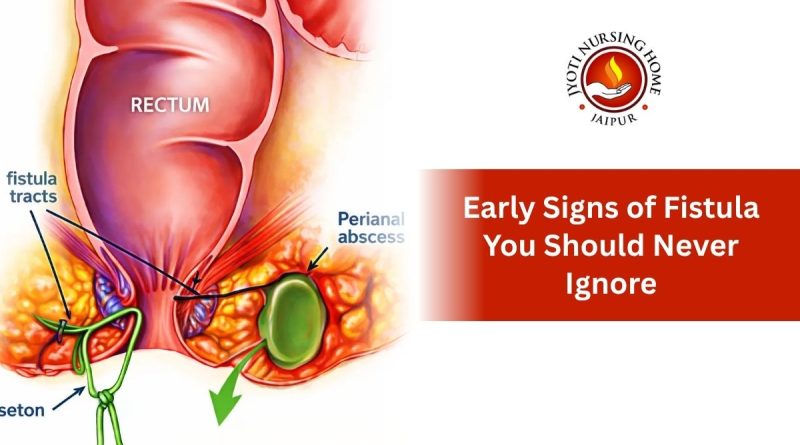
An anal fistula is an abnormal tunnel-like connection that forms between the inside of the anal canal and the skin surrounding the anus. It usually develops after an infection in an anal gland that leads to an abscess. When the abscess fails to heal completely, a fistula tract may form.
Anal fistulas are among the most common anorectal conditions and can significantly impact a person’s quality of life if left untreated. While some symptoms may appear mild initially, they often progress over time and lead to chronic discomfort and infection.
Why Early Detection Matters
One of the biggest challenges with fistula disease is that many people ignore the warning signs until the condition becomes severe. Early detection offers several benefits:
- Prevents recurrent infections
- Reduces the risk of abscess formation
- Minimizes tissue damage
- Improves recovery outcomes
- Allows less complicated treatment options
- Helps prevent recurrence
Understanding the symptoms of anal fistula is the first step toward protecting your colorectal health and overall well-being.
1. Persistent Pain Near the Anus
One of the earliest and most common fistula symptoms is pain near the anus.
Unlike temporary discomfort caused by constipation or minor irritation, fistula-related pain tends to persist and may gradually worsen. The pain can become particularly noticeable:
- While sitting
- During bowel movements
- While walking
- During physical activity
Many patients describe the sensation as a throbbing or aching discomfort that does not completely disappear.
Why It Happens
The fistula tract and surrounding tissues remain inflamed, causing continuous irritation and pressure. This leads to persistent anal pain, which should never be ignored.
2. Swelling Around the Anus
Another common warning sign is swelling around the anus.
You may notice:
- A small lump near the anal opening
- Tenderness when touched
- Redness around the affected area
- Warmth in the surrounding skin
Swelling often indicates ongoing infection or inflammation. In many cases, it may be associated with a developing or recurring abscess.
Important Note
If swelling persists for more than a few days or becomes increasingly painful, seeking evaluation from a best piles doctor in Jaipur or a fistula specialist is highly recommended.
3. Recurrent Anal Abscess
A recurring abscess is one of the strongest indicators of an underlying fistula.
An anal abscess is a collection of infected pus that develops near the anus. While drainage may temporarily relieve symptoms, repeated abscess formation often signals that a fistula tract has already formed.
Signs of a Recurrent Abscess
- Painful swelling
- Redness
- Fever
- Pus discharge
- Difficulty sitting
Many patients undergo abscess drainage multiple times before receiving a proper fistula diagnosis.
4. Pus Discharge from the Anus
One of the hallmark anal fistula symptoms is pus discharge from the anus.
You may notice:
- Yellow or white fluid
- Continuous drainage
- Wetness in undergarments
- Staining of clothing
The discharge may come and go but typically returns due to persistent infection inside the fistula tract.
Why It Should Not Be Ignored
Ongoing drainage indicates that the infection has not healed completely and requires professional evaluation.
5. Foul-Smelling Drainage
The presence of foul-smelling drainage is another important symptom.
Because fistulas often contain infected material, the drainage may have an unpleasant odor. This can lead to embarrassment and discomfort in social situations.
Many patients mistakenly assume poor hygiene is the cause, when in reality, the issue stems from an underlying infection requiring medical treatment.
6. Blood Discharge from Fistula
Some individuals experience blood discharge from fistula, especially after bowel movements.
You may observe:
- Blood spots on toilet paper
- Blood mixed with pus
- Minor bleeding near the opening
While occasional bleeding can occur with piles, repeated bleeding combined with pain, swelling, or discharge should raise suspicion for a fistula.
7. Skin Irritation Around the Anus
Constant drainage often leads to skin irritation around the anus.
Symptoms may include:
- Itching
- Burning sensation
- Redness
- Rash formation
- Sensitive skin
The surrounding skin becomes irritated due to continuous exposure to infected fluid and moisture.
Impact on Daily Life
Skin irritation can make routine activities uncomfortable and affect overall anal health awareness and hygiene.
8. Pain During Bowel Movements
Many people with fistulas experience significant pain during bowel movements.
The discomfort may occur because:
- Stool passes over inflamed tissue
- Pressure increases in the fistula tract
- Active infection causes sensitivity
If bowel movements consistently cause sharp or throbbing pain, further investigation is necessary.
9. Tenderness Near the Anal Opening
A lesser-known symptom is tenderness near the anal opening.
You may notice:
- Sensitivity while cleaning
- Pain when sitting
- Discomfort during physical movement
This tenderness often appears before more obvious symptoms such as discharge or swelling develop.
Early identification can help prevent progression to more advanced stages of the disease.
10. Fever Due to Infection
When a fistula becomes infected, systemic symptoms may appear.
Common signs include:
- Fever due to infection
- Chills
- Fatigue
- Weakness
- Body aches
These symptoms suggest that the body is actively fighting an infection.
Medical Attention Is Essential
Fever combined with anal pain, swelling, or discharge should never be ignored and may require urgent medical evaluation.
Common Causes of Anal Fistula
Several factors contribute to fistula formation:
Anal Gland Infections
The most common cause of anal fistulas.
Chronic Abscesses
Repeated infections increase the risk of tract formation.
Crohn’s Disease
Inflammatory bowel disease can contribute to fistula development.
Tuberculosis and Other Infections
Certain infections may affect anorectal tissues.
Trauma or Surgery
Previous procedures or injuries can sometimes lead to fistula formation.
Understanding these causes is important for maintaining long-term digestive health and preventing complications.
How Is a Fistula Diagnosed?
Accurate fistula diagnosis is essential for successful treatment.
A specialist may recommend:
Physical Examination
Assessment of external openings and symptoms.
Digital Rectal Examination
Evaluation of the anal canal and surrounding structures.
Anoscopy
Visual inspection of the lower rectum and anal canal.
MRI Scan
Often considered the gold standard for mapping complex fistulas.
Ultrasound
Useful in identifying fistula tracts and abscesses.
Early diagnosis improves treatment planning and helps protect overall rectal health.
Available Fistula Treatment Options
Modern fistula treatment focuses on eliminating infection while preserving anal function.
Medications
May help manage infection and inflammation but rarely cure a fistula completely.
Laser Fistula Treatment
A minimally invasive option with faster recovery.
Fistulectomy
Surgical removal of the fistula tract.
Fistulotomy
Opening and cleaning the tract to promote healing.
Advanced Procedures
Including LIFT and VAAFT techniques for complex cases.
A qualified Fistula Specialist in Jaipur can recommend the most suitable treatment based on the severity and complexity of the condition.
Tips for Prevention of Fistula Recurrence
While not all fistulas can be prevented, these measures may reduce recurrence risk:
- Maintain proper anal hygiene
- Consume a high-fiber diet
- Stay hydrated
- Treat infections promptly
- Avoid prolonged constipation
- Follow post-treatment instructions carefully
- Attend regular follow-up visits
These habits support better gastrointestinal health, colorectal health, and chronic fistula management.
When Should You See a Specialist?
Consult a healthcare professional immediately if you experience:
- Persistent anal pain
- Recurrent abscesses
- Swelling around the anus
- Pus or blood discharge
- Foul-smelling drainage
- Fever with anal symptoms
- Ongoing skin irritation
Early intervention can significantly reduce complications and improve recovery outcomes.
Conclusion
An anal fistula rarely heals on its own and often worsens if left untreated. Symptoms such as pain near the anus, swelling around the anus, pus discharge from the anus, foul-smelling drainage, and recurrent anal abscesses are warning signs that should never be ignored.
The sooner you recognize the early signs of fistula, the better your chances of receiving effective treatment and avoiding long-term complications. If you notice any of these symptoms, consult a trusted Fistula Specialist in Jaipur or a best piles doctor in Jaipur for timely evaluation and advanced piles treatment in Jaipur and fistula care.
Prioritizing your anal health, rectal health, and overall digestive wellness today can prevent more serious complications tomorrow.