Hair PRP Therapy: How It Works, Benefits, Cost and Expected Results
Hair loss and thinning hair can affect both men and women and may have a significant impact on confidence and appearance. Genetics, hormonal changes, stress, nutritional deficiencies, certain medications, medical conditions, and lifestyle factors can all contribute to excessive hair fall. With advancements in regenerative dermatology, treatments such as Hair PRP Therapy have become popular as a minimally invasive option for supporting hair growth.
PRP stands for Platelet-Rich Plasma. The treatment uses components obtained from the patient’s own blood. After processing, the platelet-rich portion is prepared and injected into selected areas of the scalp. Platelets contain various growth factors and signaling proteins that are involved in tissue repair and cellular processes.
While PRP may help support existing hair follicles in suitable patients, it is important to understand that results can vary and that PRP is not a universal solution for every type of hair loss.
What Is Hair PRP Therapy?
Hair PRP Therapy is a regenerative treatment that uses platelet-rich plasma prepared from the patient’s own blood to support hair follicles and the scalp environment.
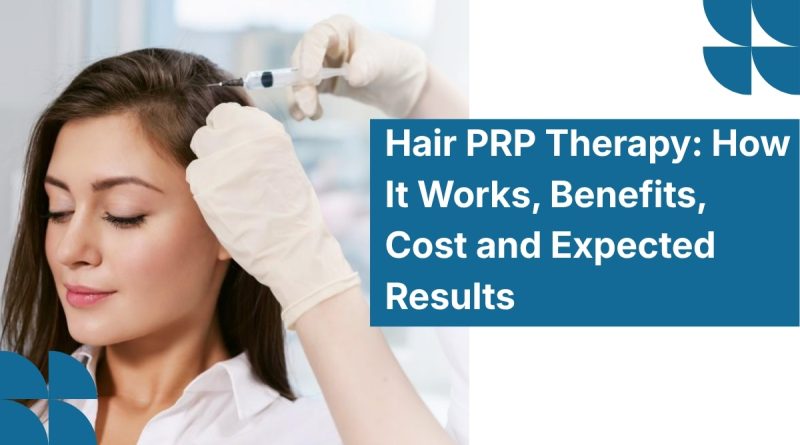
During treatment, a small amount of blood is collected and processed to separate and concentrate platelets. The prepared PRP is then administered through small injections into areas affected by hair thinning.
The growth factors released by platelets may influence cellular activity around the hair follicles and may help support the growth cycle of existing follicles.
Unlike a hair transplant, PRP does not involve surgically removing hair follicles from one part of the scalp and transferring them to another. Instead, it is intended to support follicles that are already present.
How Does Hair PRP Therapy Work?
The procedure generally involves several steps.
1. Consultation and Scalp Examination
Before starting treatment, a dermatologist evaluates your hair loss pattern, scalp health, medical history, and possible causes of hair fall.
The doctor may also ask about family history, medications, nutrition, previous treatments, and the duration of your hair loss. In certain situations, additional tests may be recommended.
2. Blood Collection
A small quantity of blood is drawn from the patient, similar to a routine blood test.
3. PRP Preparation
The blood sample is processed using centrifugation or another appropriate preparation method. This separates blood components and allows the platelet-rich fraction to be collected.
The exact concentration and preparation technique can differ depending on the equipment and protocol used by the clinic.
4. PRP Injection
The prepared PRP is injected into selected areas of the scalp using fine needles. The treatment area is determined according to the patient’s pattern and degree of hair thinning.
5. Post-Treatment Care
After the procedure, the doctor provides specific instructions regarding scalp care, washing, exercise, hair products, and other activities.
What Are the Potential Benefits of Hair PRP Therapy?
PRP may provide several potential benefits for appropriately selected patients.
May Support Existing Hair Follicles
Growth factors released by platelets may support biological processes involved in tissue repair and follicular activity. This may be useful when hair follicles are weakened or miniaturized but still viable.
May Improve Hair Thickness
Some patients may experience an improvement in the appearance of hair thickness and density over time.
Minimally Invasive Treatment
PRP involves injections rather than surgical transplantation. There are no incisions or stitches involved.
Uses the Patient’s Own Blood
Because PRP is prepared from the patient’s own blood, it is an autologous treatment.
Relatively Short Procedure
PRP treatment is generally performed during a clinic visit. The overall time can vary depending on the treatment protocol and the number of areas being treated.
Limited Downtime
Most patients can return to routine activities relatively quickly, although temporary redness, tenderness, swelling, or bruising may occur.
Who May Be a Suitable Candidate for Hair PRP Therapy?
PRP may be considered for people experiencing certain forms of hair thinning or hair loss, particularly when viable hair follicles remain.
A dermatologist may consider factors such as:
- Type and cause of hair loss
- Severity of thinning
- Duration of hair loss
- Scalp condition
- Age
- General health
- Hair follicle status
- Previous treatments
- Individual expectations
PRP may be less useful in areas where hair follicles have been permanently destroyed. Therefore, a proper diagnosis is essential before treatment.
What Results Can You Expect From Hair PRP Therapy?
Hair growth takes time, so PRP does not normally produce immediate visible results.
Some patients may notice changes in hair shedding, texture, or thickness before seeing noticeable improvement in overall density. When PRP is effective, visible changes generally develop gradually over several months.
Results can vary depending on:
- Underlying cause of hair loss
- Stage of hair thinning
- Genetic factors
- Age
- Follicle health
- Nutrition
- Overall health
- Treatment protocol
- Number of sessions
- Individual response
It is important to maintain realistic expectations. PRP is designed to support existing follicles and may not restore hair in areas where follicles are no longer viable.
How Many PRP Sessions Are Needed?
The number of PRP sessions varies from patient to patient. A dermatologist may recommend a series of treatments followed by maintenance sessions depending on the individual’s condition and response.
There is no universal schedule suitable for everyone. Your doctor can recommend the appropriate interval and number of sessions after assessing your scalp and monitoring your progress.
Is Hair PRP Therapy Painful?
PRP involves multiple small injections into the scalp, so mild discomfort or a pinching sensation may occur during treatment.
Depending on the clinic and patient’s needs, topical or local anesthetic measures may be used to improve comfort.
Temporary tenderness or sensitivity may occur after the procedure. These effects usually settle, but patients should follow their doctor’s aftercare instructions.
Hair PRP Therapy Cost
The cost of Hair PRP Therapy can vary significantly between clinics. Factors that may influence the overall cost include:
- Number of sessions required
- Treatment area
- Severity of hair loss
- Doctor’s expertise
- Clinic facilities
- PRP preparation method
- Follow-up requirements
- Maintenance treatment
Patients should not select a clinic solely on the basis of price. Medical qualifications, treatment protocols, hygiene standards, proper diagnosis, and follow-up care are also important considerations.
A consultation is the most reliable way to determine the expected cost for an individual’s treatment plan.
Hair PRP Therapy vs Hair PRF Therapy
PRP and Hair PRF Therapy are both regenerative approaches that use components derived from the patient’s own blood, but their preparation methods and biological characteristics can differ.
PRP uses a platelet-rich plasma preparation. PRF, or Platelet-Rich Fibrin, creates a fibrin-based matrix that can contain platelets and various growth-related components. The differences in preparation may affect how the material is released and used in treatment.
Neither treatment should automatically be considered superior for every patient. The appropriate option depends on the patient’s diagnosis, hair-loss pattern, follicle health, medical history, and treatment goals.
People searching for Hair PRF Therapy in Jaipur should consult a qualified dermatologist to determine whether PRP, PRF, or another treatment approach is more appropriate for their condition.
What Is Hair PRF Therapy?
Hair PRF Therapy is another regenerative approach that uses a preparation derived from the patient’s own blood.
Unlike conventional PRP, PRF preparation is designed to create a fibrin matrix that can act as a structure for platelets and other components. This may allow certain growth-related substances to be released more gradually.
Like PRP, PRF is intended to support existing hair follicles rather than replace follicles that have been permanently lost.
The suitability and expected outcome depend on the individual patient’s hair-loss condition.
Why Is a Professional Diagnosis Important?
Hair loss can have many causes. Pattern hair loss, alopecia areata, nutritional deficiencies, hormonal changes, thyroid problems, scalp infections, stress-related shedding, and other conditions may require different treatment strategies.
This is why consulting a qualified Skin Doctor in Vidhyadhar Nagar can be an important first step if hair fall is persistent or worsening.
A dermatologist can examine the scalp, assess the pattern of hair loss, identify potential underlying factors, and determine whether PRP or PRF therapy is appropriate. In some cases, laboratory investigations may also be recommended.
Treating the underlying cause is often an important part of an effective hair-loss management plan.
How to Prepare for PRP Treatment
Before undergoing treatment, inform your doctor about your medical history and any medicines or supplements you are taking.
Discuss:
- Current medications
- Nutritional supplements
- Previous hair-loss treatments
- Scalp infections or skin conditions
- Bleeding-related conditions
- Allergies or sensitivities
- Existing medical conditions
Do not stop prescribed medication without discussing it with your doctor.
What Should You Do After PRP Treatment?
Your dermatologist will provide specific post-treatment instructions. Depending on the protocol, you may be advised to avoid excessive touching or rubbing of the scalp immediately after treatment.
Your doctor may provide guidance regarding:
- Hair washing
- Exercise
- Sun exposure
- Hair styling products
- Scalp treatments
- Follow-up visits
Following these instructions can help reduce irritation and support appropriate recovery.
Conclusion
Hair PRP Therapy is a minimally invasive regenerative treatment that may help support existing hair follicles and improve the appearance of hair thinning in suitable patients. It uses platelet-rich plasma derived from the patient’s own blood and delivers it to selected areas of the scalp.
However, PRP is not suitable for every type of hair loss, and results can vary considerably. A proper diagnosis is important before choosing any regenerative hair treatment.
If you are considering PRP or Hair PRF Therapy in Jaipur, consult a qualified dermatologist for an individualized assessment. A Skin Doctor in Vidhyadhar Nagar can evaluate your scalp, identify possible causes of hair loss, discuss realistic expectations, and recommend an appropriate treatment plan based on your condition.
Frequently Asked Questions
1. What is Hair PRP Therapy?
Hair PRP Therapy is a minimally invasive treatment that uses platelet-rich plasma prepared from the patient’s own blood and injects it into selected scalp areas to support existing hair follicles.
2. Can PRP stop hair loss permanently?
PRP cannot guarantee permanent prevention of hair loss. The underlying cause, genetics, hormones, age, and ongoing scalp health can influence long-term results.
3. How long does PRP take to show results?
Hair growth is gradual. When the treatment is effective, visible changes may develop over several months rather than immediately after treatment.
4. Is PRP suitable for severe baldness?
PRP may have limited benefits in areas where hair follicles have been permanently lost. A professional scalp evaluation is necessary to determine suitability.
5. Is Hair PRF Therapy the same as PRP?
No. Both use blood-derived components, but PRF and PRP use different preparation approaches and have different characteristics.
6. How many PRP sessions are required?
The number of sessions depends on the patient’s hair-loss condition, treatment goals, and response to therapy.