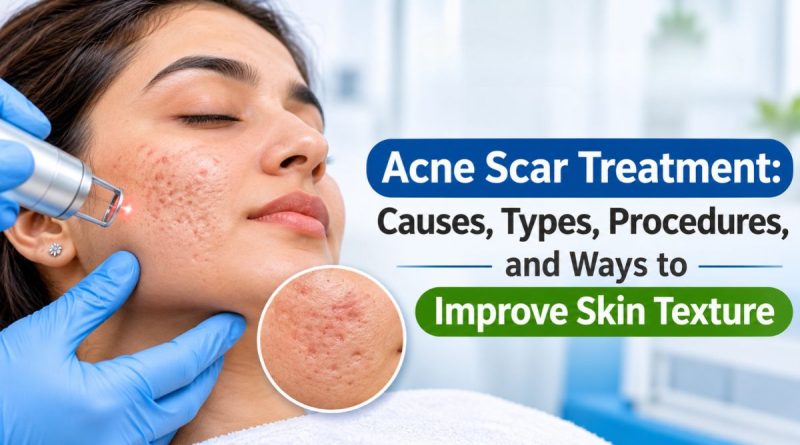
Acne Scar Treatment: Causes, Types, Procedures, and Ways to Improve Skin Texture
Acne is common in teenagers and adults. Although pimples may heal, some breakouts leave dark marks, uneven texture, or visible scars. These changes develop when inflammation damages skin tissue and the body repairs it with too little or too much collagen. The appearance varies: some people develop shallow depressions, while others have deeper pits or raised areas. Severe acne, genetics, repeated inflammation, and picking pimples can influence healing.
It is also important to distinguish true scars from temporary dark or red marks, as they may need different care. Modern dermatology offers several ways to improve uneven texture. Acne Scar Treatment may include microneedling, chemical peels, laser procedures, radiofrequency microneedling, or subcision. A dermatologist can assess the skin and explain suitable options and realistic outcomes.
1. What Are Acne Scars?
Acne scars are textural changes that remain after an inflamed lesion heals. Inflammation can damage collagen and surrounding tissue. If too little collagen forms during repair, the skin may look indented; excess collagen can create a raised scar.
Brown spots are often post-inflammatory pigmentation, while red or pink marks may reflect lingering inflammation. These are not necessarily permanent scars and may need a different approach.
2. Common Causes of Acne Scarring
Scarring may be more likely due to several factors:
- Inflammatory acne: Deep pimples, nodules, and cysts can damage deeper tissue.
- Picking or squeezing: This can increase inflammation and delay healing.
- Persistent breakouts: Repeated inflammation can affect areas that have not fully recovered.
- Individual healing response: Genetics and collagen production influence scar formation.
- Delayed acne care: Unmanaged inflammatory acne may lead to further lesions.
Managing active acne early helps reduce the risk of new scars. A dermatologist will consider whether breakouts are controlled before planning scar procedures.
3. Different Types of Acne Scars
Recognising the scar type helps guide treatment.
- Ice pick scars: Narrow, deep pits that can be difficult to improve with surface treatments alone.
- Boxcar scars: Wider, round or oval depressions with clearly defined edges, often on the cheeks.
- Rolling scars: Wave-like depressions caused by fibrous bands pulling the skin downward.
- Hypertrophic scars: Raised areas caused by excess collagen, usually within the original lesion.
- Keloid scars: Raised scars that extend beyond the original injury and may itch or feel tender.
A person can have more than one type, so treatment may combine approaches.
4. Procedures Used to Improve Acne Scars
No single procedure suits every scar. Selection depends on scar type, depth, skin tone, medical history, and recovery needs.
Microneedling
Microneedling uses fine needles to create controlled micro-injuries, activating the repair response and encouraging collagen production. It may improve selected depressed scars and uneven texture; multiple sessions may be needed.
People considering Microneedling Treatment in Jaipur should ask a dermatologist whether their scar type is likely to respond. Active acne, infection, or certain skin conditions may affect suitability.
Chemical Peels
A chemical peel exfoliates controlled skin layers using a selected solution. Depending on its strength, it may improve pigmentation, surface roughness, and superficial marks, but is unlikely to correct deep indented scars alone.
Chemical Peel Treatment should match skin type and the concern being treated. Incorrect or unsupervised use can cause irritation, burns, or pigmentation changes.
Laser Resurfacing
Laser procedures use focused light energy to remodel selected skin layers and stimulate collagen. They may help textural scars, but laser type, settings, downtime, and risks vary. Skin tone and pigmentation history matter.
Radiofrequency Microneedling
Fine needles deliver controlled radiofrequency energy into the skin to stimulate collagen remodelling. It may improve selected depressed scars and uneven texture; temporary redness or swelling can occur.
Subcision
Subcision is mainly used for rolling scars. A specialist releases fibrous bands beneath the skin that pull the surface downward. It may be combined with another procedure.
5. How Is the Right Treatment Selected?
A dermatologist identifies whether the concern is pigmentation, raised scarring, or depressed scarring, and reviews medicines, allergies, skin sensitivity, and previous treatments.
A superficial dark mark needs a different approach from a deep ice pick scar. Some people need one procedure; others may need a combination. Discuss expected improvement, side effects, recovery time, and number of visits before starting.
6. Skincare and Prevention
Daily habits cannot remove deep scars, but they can support skin health and reduce further marks:
- Cleanse gently; avoid scrubbing irritated skin.
- Do not pick or squeeze pimples.
- Use broad-spectrum sunscreen as advised.
- Choose non-comedogenic products suited to your skin.
- Avoid using several strong exfoliants together.
- Seek care for painful or persistent acne.
- Follow the prescribed acne plan.
After a procedure, follow the clinic’s aftercare instructions before restarting active skincare products.
7. Recovery and When Results May Appear
Recovery varies by procedure and skin response. Temporary redness, swelling, dryness, sensitivity, or mild discomfort may occur; stronger resurfacing procedures may need more downtime.
Improvement is gradual as collagen remodels. Sessions and intervals depend on scar type and response. Deep scars may improve without disappearing completely. Attend follow-ups and contact the specialist if pain or swelling worsens or infection is suspected.
8. Setting Realistic Treatment Expectations
Acne scar procedures aim to improve the appearance of the skin rather than guarantee completely scar-free results. Improvement may be gradual and can differ between areas of the face because scar depth and skin response are not always the same. Photographs taken before treatment can help track changes over time. Patients should complete the recommended sessions, allow enough time for healing, and avoid comparing their progress with another person’s results. The dermatologist may adjust the plan according to the response.
9. Why Consult an Experienced Dermatologist?
Scars that look similar may respond differently. A qualified dermatologist can distinguish scarring from pigmentation, assess active acne, and explain the benefits and limits of procedures.
When exploring Acne Scar Treatment, ask about the specialist’s experience, technique, realistic outcomes, risks, and aftercare. A personalized plan is more useful than a promise of complete scar removal.
Conclusion
Acne scars form when inflammation damages supporting skin tissue. Ice pick, boxcar, rolling, hypertrophic, and keloid scars differ, so treatment must be selected according to the individual concern. Microneedling, peels, laser resurfacing, radiofrequency microneedling, and subcision may be considered.
Early acne care, suitable skincare, and professional assessment can help prevent further damage. Whether a dermatologist recommends Chemical Peel Treatment, Microneedling Treatment in Jaipur, or another procedure, realistic expectations and proper aftercare remain important.
Frequently Asked Questions
- What is the best treatment for acne scars?
No single option suits everyone. Choice depends on scar type, depth, skin tone, and medical history.
- Can acne scars disappear completely?
Scars may improve, but deeper ones may not disappear completely. Treatment aims to reduce their visibility.
- Is microneedling useful for acne scars?
It may help select depressed scars by stimulating collagen. A dermatologist should assess suitability.
- Can chemical peels remove deep acne scars?
They may improve pigmentation and mild texture concerns, but not usually deep depressions alone.
- How many sessions are needed?
It varies by procedure, scar severity, and individual response. A dermatologist will advise after examination.
- How can I prevent new acne scars?
Avoid picking pimples, treat persistent acne early, follow suitable skincare, and use sun protection.
- Is acne scar treatment safe for every skin type?
No. Skin tone, sensitivity, infection, medical conditions, and abnormal scarring history must be assessed.