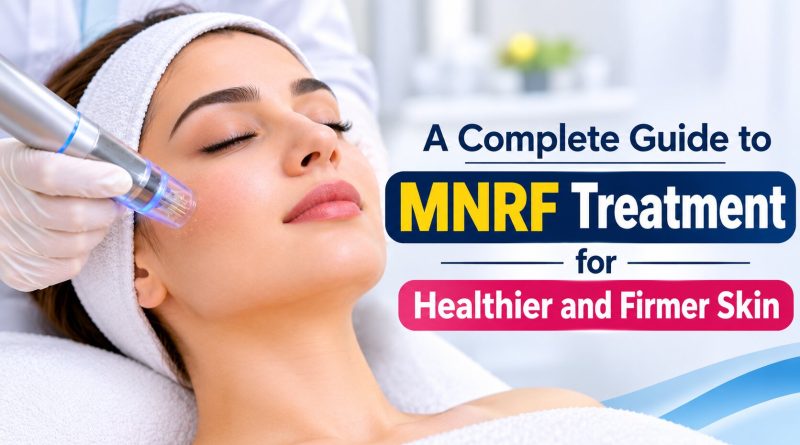
A Complete Guide to MNRF Treatment for Healthier and Firmer Skin
Healthy, smooth, and firm skin is influenced by several factors, including age, genetics, sun exposure, lifestyle, and skincare habits. Over time, the skin may develop concerns such as acne scars, enlarged pores, fine lines, uneven texture, and reduced firmness. While regular skincare can help maintain skin health, some concerns may require professional dermatological procedures.
One treatment gaining attention for skin rejuvenation is MNRF Treatment. It combines microneedling with radiofrequency energy to stimulate the skin’s natural repair processes and support collagen production. This approach can help improve certain skin concerns without requiring traditional surgical procedures.
Understanding how the treatment works, its benefits, suitability, and recovery process can help individuals make informed decisions before consulting a qualified skin specialist.
What Is MNRF Treatment?
MNRF stands for Microneedling Radiofrequency. It is a minimally invasive dermatological procedure that combines tiny needles with controlled radiofrequency energy. During the procedure, specialised needles create small channels in the skin while delivering heat energy into selected skin layers.
This controlled stimulation activates the body’s natural healing response and encourages collagen and elastin production. Collagen helps maintain skin structure, while elastin contributes to skin flexibility and elasticity.
The procedure is commonly considered for concerns such as:
- Acne scars and uneven skin texture
- Enlarged or visible pores
- Fine lines and early signs of ageing
- Mild skin laxity
- Certain types of superficial skin irregularities
The suitability and expected results depend on the individual’s skin condition, treatment settings, and professional assessment.
How Does MNRF Treatment Work?
The procedure works through two main techniques: microneedling and radiofrequency energy.
1. Microneedling
A specialised device uses fine needles to create controlled micro-injuries in the targeted skin area. These tiny channels activate the natural wound-healing process, encouraging the skin to repair itself.
2. Radiofrequency Energy
Radiofrequency energy produces controlled heat within the targeted skin layers. This thermal stimulation supports collagen remodelling and may improve skin firmness and texture over time.
3. Natural Skin Repair
Following the procedure, the body’s healing response gradually works to repair the treated area. New collagen formation takes time, so improvements generally develop progressively rather than appearing immediately.
Key Benefits of MNRF Treatment
The benefits of this procedure depend on the skin concern being addressed and the individual’s response to treatment. Some commonly targeted improvements include:
1. Helps Improve Acne Scars
Acne scars can leave the skin with uneven surfaces, depressions, and textural irregularities. By stimulating collagen production, the procedure may help improve the appearance of certain atrophic acne scars. The number of sessions required depends on scar type and severity.
2. Supports Skin Firmness
Collagen and elastin are important for maintaining skin structure. Their natural production decreases with age. Radiofrequency stimulation may support collagen remodelling, helping improve mild skin laxity and the appearance of firmness.
3. Improves Skin Texture
Uneven skin texture can make the face appear rough or dull. The controlled healing response encouraged by the procedure may help create a smoother-looking surface over time.
4. Helps Reduce the Appearance of Enlarged Pores
Visible pores can be influenced by genetics, oil production, ageing, and skin elasticity. MNRF may help improve the surrounding skin texture and firmness, making pores appear less noticeable in suitable candidates.
5. Addresses Early Signs of Ageing
Fine lines and mild skin laxity are common concerns as the skin ages. Collagen stimulation may help improve the appearance of these changes gradually.
What Happens During the MNRF Procedure?
The treatment generally involves several steps. The exact process may vary depending on the device used and the individual’s skin condition.
Step 1: Skin Assessment
The dermatologist examines the skin, discusses concerns, reviews medical history, and determines whether the procedure is suitable. Previous treatments, medications, and any history of skin conditions should also be discussed.
Step 2: Cleansing and Preparation
The treatment area is cleaned to remove makeup, oil, and impurities. A topical numbing cream may be applied to improve comfort during the procedure.
Step 3: Application of the Device
The specialist moves the MNRF device across the selected treatment area. Fine needles penetrate the skin to a controlled depth and deliver radiofrequency energy.
Step 4: Post-Treatment Care
After the procedure, the skin may appear red or feel warm. The dermatologist provides instructions regarding skincare, sun protection, and activities to avoid during recovery.
The duration of the session depends on the size of the treatment area and the treatment plan.
Who Is a Suitable Candidate?
MNRF may be considered for individuals who want to address acne scars, uneven skin texture, enlarged pores, or mild skin laxity.
However, it is not suitable for everyone. A dermatologist may need to postpone or avoid treatment in certain situations, including active skin infections, open wounds, or some inflammatory skin conditions.
People who are pregnant, have implanted electronic devices, or have a history of abnormal scarring should discuss their circumstances with a qualified medical professional before considering the procedure.
A proper skin assessment is important because different concerns require different treatment approaches.
MNRF Treatment vs. Microneedling
Both procedures use fine needles to stimulate the skin’s natural repair response, but their technology differs.
Traditional microneedling primarily creates controlled micro-injuries in the skin. MNRF combines microneedling with radiofrequency energy, allowing controlled heat delivery into selected skin layers.
The choice depends on the concern being treated, skin type, scar characteristics, and the dermatologist’s recommendation.
Microneedling Treatment may be considered for certain concerns involving skin texture and mild scarring. MNRF may be preferred in selected cases where additional radiofrequency-based collagen stimulation is considered beneficial.
Neither procedure is universally better. The appropriate option should be selected after a professional evaluation.
MNRF Treatment vs. Chemical Peels
Chemical peels and MNRF work through different mechanisms.
Chemical peels use specially selected chemical solutions to exfoliate controlled layers of the skin. They may be recommended for concerns such as uneven skin tone, certain types of pigmentation, and surface texture.
Radiofrequency microneedling focuses on controlled needle penetration and heat-based stimulation within the skin.
A dermatologist may recommend Chemical Peel Treatment in Jaipur for suitable pigmentation or surface-related concerns, while MNRF may be considered for acne scars, texture irregularities, and mild skin laxity. In some cases, different procedures may be planned separately as part of a personalised skincare approach.
Recovery and Aftercare
Recovery varies according to treatment intensity, needle depth, skin sensitivity, and individual healing response. Mild redness, swelling, warmth, or pinpoint marks may occur after the procedure.
Following the dermatologist’s instructions can support recovery.
Important aftercare measures include:
- Use gentle skincare products recommended by the dermatologist.
- Apply sunscreen and minimise direct sun exposure.
- Avoid harsh exfoliants and active skincare ingredients until advised.
- Do not scratch, rub, or pick the treated skin.
- Avoid excessive heat, such as saunas, if advised during the initial recovery period.
- Keep the skin clean and follow the recommended moisturising routine.
Contact the treating specialist if you experience increasing pain, unusual swelling, pus, fever, or other symptoms that may indicate a complication.
How Many Sessions Are Required?
The number of sessions depends on the individual’s skin condition and treatment goals. Some people may require multiple sessions spaced several weeks apart.
Acne scars, deeper textural concerns, and skin laxity may need a different treatment plan compared with mild surface irregularities. Results also develop gradually as collagen remodelling takes place.
A dermatologist can suggest an appropriate session schedule after examining the skin. It is important to avoid expecting immediate or identical results for every individual.
Choosing the Right Skin Specialist
Selecting an experienced dermatologist is an important part of the treatment process. A qualified specialist can assess the skin, identify the underlying concern, and recommend a suitable procedure.
Before proceeding, consider the following:
- Check the specialist’s qualifications and dermatology experience.
- Discuss your skin concerns and medical history openly.
- Ask about the device, treatment settings, and expected recovery.
- Understand possible side effects and limitations.
- Follow the recommended pre-treatment and aftercare instructions.
Professional guidance helps ensure that the treatment plan is appropriate for your skin rather than based only on general cosmetic trends.
Conclusion
MNRF is a modern skin rejuvenation procedure that combines microneedling and radiofrequency energy to support collagen production and improve selected skin concerns. It may help address acne scars, enlarged pores, uneven texture, fine lines, and mild skin laxity.
However, results vary depending on skin condition, treatment settings, and individual healing response. A professional dermatological assessment is essential to determine whether the procedure is suitable and whether another treatment may be more appropriate.
With the right evaluation, realistic expectations, and proper aftercare, individuals can make informed decisions about improving their skin health.
Frequently Asked Questions
- What is MNRF Treatment used for?
It is commonly used to address acne scars, uneven skin texture, enlarged pores, fine lines, and mild skin laxity by stimulating collagen production.
- Is MNRF treatment painful?
A topical numbing cream is generally applied before the procedure to improve comfort. Some individuals may experience mild discomfort, warmth, or pressure during treatment.
- How long does it take to see results?
Results develop gradually as the skin produces and remodels collagen. The visible improvement and timeline vary depending on the skin concern and treatment plan.
- How many MNRF sessions are needed?
The number of sessions depends on the severity of the concern and the individual’s response. A dermatologist can recommend a suitable schedule after examining the skin.
- Is MNRF suitable for acne scars?
It may help improve the appearance of certain types of acne scars, particularly selected depressed scars. The treatment approach depends on scar type, depth, and severity.