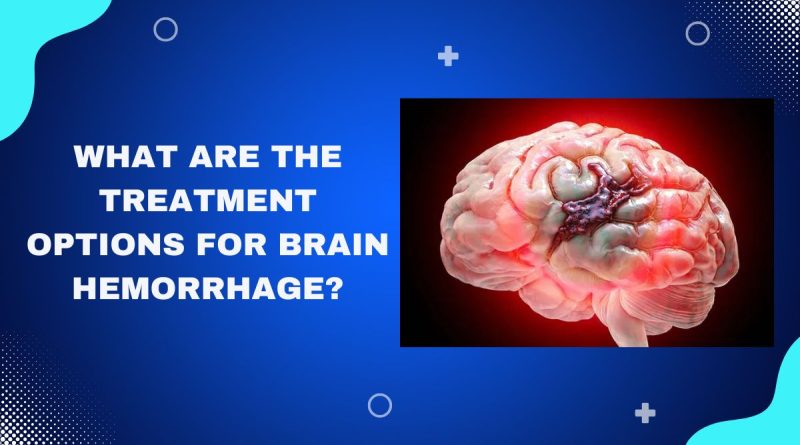
What Are the Treatment Options for Brain Hemorrhage?
A brain hemorrhage is a serious and potentially life-threatening condition that requires immediate medical attention. If you or your loved one experiences symptoms like sudden severe headache, weakness, confusion, or loss of consciousness, quick action can save lives and prevent long-term complications.
In this blog, we’ll explain what a brain hemorrhage is, its causes, symptoms, and most importantly, the available treatment options, especially if you’re looking for Brain hemorrhage treatment in Jaipur.
What Is a Brain Hemorrhage?
A brain hemorrhage refers to bleeding in or around the brain. It occurs when a blood vessel ruptures, leading to pressure on brain tissues and reduced oxygen supply.
There are different types of brain hemorrhages, including:
- Intracerebral hemorrhage – bleeding within the brain tissue
- Subarachnoid hemorrhage – bleeding between the brain and surrounding membranes
- Subdural hematoma – bleeding between the brain and skull
- Epidural hematoma – bleeding outside the brain’s outer membrane
Each type requires a specific treatment approach.
What Causes a Brain Hemorrhage?
Understanding the cause is essential for effective treatment. Common causes include:
- High blood pressure (hypertension)
- Head injury or trauma
- Brain aneurysm rupture
- Blood clotting disorders
- Use of blood thinners
- Brain tumors
- Stroke-related complications
In cities like Jaipur, lifestyle-related conditions like hypertension are among the leading causes.
Warning Signs You Should Never Ignore
Early diagnosis improves survival chances. Watch out for:
- Sudden, severe headache (“worst headache of life”)
- Weakness or numbness (especially on one side)
- Difficulty speaking or understanding speech
- Vision problems
- Seizures
- Loss of balance or coordination
- Sudden unconsciousness
If you notice any of these symptoms, seek emergency care immediately.
Brain Hemorrhage Treatment: What Are Your Options?
When it comes to Brain hemorrhage treatment in Jaipur, hospitals offer advanced diagnostic tools and experienced specialists. Treatment depends on the severity, location, and cause of the bleeding.
Let’s break down the main treatment options:
1. Emergency Stabilization
The first step in any hospital is to stabilize the patient:
- Monitoring vital signs (heart rate, oxygen levels)
- Providing oxygen support
- Controlling blood pressure
- Preventing further bleeding
Doctors aim to reduce brain damage and prevent complications at this stage.
2. Medications
Medication plays a critical role in managing brain hemorrhage, especially in mild to moderate cases.
Common medications include:
- Antihypertensive drugs to control high blood pressure
- Anti-seizure medications to prevent seizures
- Diuretics to reduce brain swelling
- Reversal agents for patients on blood thinners
These treatments are often recommended by the Best Doctor for Brain Hemorrhage in Jaipur as part of a non-surgical approach.
3. Surgical Treatment
In severe cases, surgery becomes necessary to remove blood clots and relieve pressure on the brain.
Common surgical procedures:
a) Craniotomy
- A portion of the skull is removed
- Blood clot is drained
- Pressure is relieved
b) Minimally Invasive Surgery
- Small incision and catheter used
- Less recovery time
- Suitable for selected cases
c) Aneurysm Clipping or Coiling
- Used when bleeding is caused by an aneurysm
- Prevents further rupture
If you’re searching for the Best neurosurgeon in Jaipur, ensure they specialize in advanced neurosurgical procedures with high success rates.
4. Intensive Care Monitoring (ICU)
Patients with brain hemorrhage are often admitted to the ICU for close monitoring.
- Continuous brain activity monitoring
- Intracranial pressure management
- Ventilator support if needed
ICU care ensures rapid response to any complications.
5. Rehabilitation and Recovery
Recovery doesn’t end after treatment. Rehabilitation is essential for regaining lost abilities.
Rehabilitation may include:
- Physiotherapy – improves movement and strength
- Speech therapy – helps with communication issues
- Occupational therapy – supports daily activities
The recovery timeline varies depending on the severity of the hemorrhage.
How to Choose the Best Doctor for Brain Hemorrhage?
Selecting the right specialist is critical for successful treatment. Look for:
- Board-certified neurosurgeons
- Experience in handling emergency brain cases
- Access to advanced diagnostic and surgical technology
- Multidisciplinary care teams
Top hospitals in Jaipur provide comprehensive care under one roof, making them a preferred choice for patients across Rajasthan.
Can Brain Hemorrhage Be Prevented?
While not all cases are preventable, you can reduce your risk by:
- Maintaining healthy blood pressure
- Avoiding smoking and excessive alcohol
- Wearing helmets while driving
- Managing chronic conditions like diabetes
- Regular health check-ups
Prevention plays a key role in avoiding life-threatening complications.
FAQs
What is the best treatment for brain hemorrhage?
The best treatment depends on severity. Mild cases may need medication, while severe cases require surgery and ICU care.
Is brain hemorrhage curable?
Yes, with timely medical intervention and proper care, many patients recover successfully.
How long does recovery take?
Recovery can take weeks to months, depending on the extent of brain damage and treatment.
Where can I get brain hemorrhage treatment in Jaipur?
You can find advanced care in leading hospitals with experienced neurosurgeons and modern facilities.
Final Thoughts
A brain hemorrhage is a medical emergency that demands immediate diagnosis and expert care. With advancements in medical technology, Brain hemorrhage treatment in Jaipur has become more effective and accessible.
From emergency stabilization to surgery and rehabilitation, a well-coordinated treatment plan led by the Best neurosurgeon in Jaipur can significantly improve outcomes.
If you or someone you know shows symptoms, don’t delay—early treatment can save lives and prevent permanent damage.