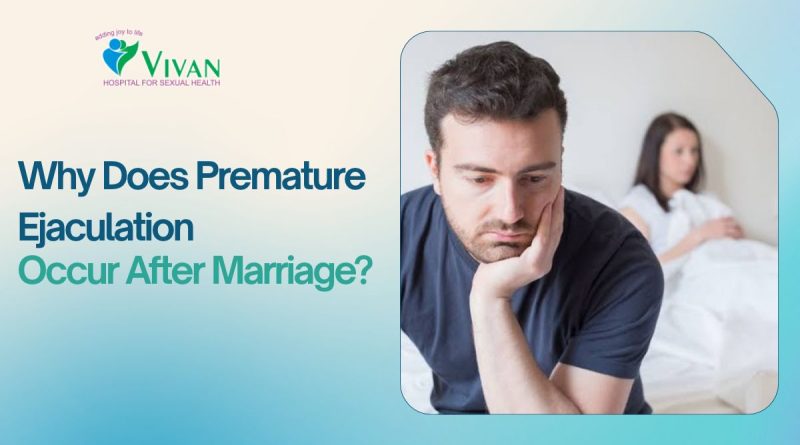
Why Does Premature Ejaculation Occur After Marriage?
Marriage brings emotional closeness, intimacy, and new experiences for couples. However, some men notice that they ejaculate sooner than expected during sexual activity, particularly during the early months of married life. This experience can cause worry, embarrassment, and concerns about sexual performance.
Premature ejaculation is a common sexual health concern and can occur for several reasons, including nervousness, performance anxiety, heightened excitement, and limited experience with sexual intimacy. In some cases, underlying medical conditions or psychological factors may also contribute to the problem.
It is important to understand that occasional early ejaculation is normal and does not necessarily indicate a sexual disorder. However, when it happens repeatedly, feels difficult to control, or causes distress to either partner, seeking professional advice may help.
Understanding the causes and available solutions can help couples approach the situation with confidence, improve communication, and explore appropriate treatment options.
What Is Premature Ejaculation?
Premature ejaculation (PE) is a sexual health condition in which a man ejaculates sooner than desired, has limited control over ejaculation, and experiences personal or relationship-related distress because of it.
It may happen before penetration or shortly after sexual activity begins. The experience varies among individuals, and there is no single time limit that determines whether someone has premature ejaculation. The timing, ability to delay ejaculation, frequency of the problem, and emotional impact all matter.
Some men experience this concern from their first sexual experiences, while others develop it after a period of normal sexual functioning. Understanding when the symptoms started can help a healthcare professional identify possible contributing factors.
Why Does Premature Ejaculation Occur After Marriage?
Several factors may contribute to premature ejaculation in newly married men. In many cases, more than one factor is involved.
1. Performance Anxiety and Nervousness
Newly married men may feel pressure to satisfy their partner or meet expectations about sexual performance. Worrying about how long intercourse will last can increase anxiety and make it more difficult to remain relaxed.
Repeatedly thinking about ejaculation during sexual activity may create a cycle in which anxiety contributes to early ejaculation, and the experience increases anxiety the next time.
Reducing pressure, focusing on intimacy rather than performance, and communicating openly with a partner may help reduce this stress.
2. Heightened Excitement
Sexual excitement may be particularly strong when a couple begins exploring intimacy together. Increased arousal, anticipation, and unfamiliarity with sexual experiences can make ejaculation occur sooner than expected.
This does not automatically indicate a medical condition. Some men find that their control improves as they become more comfortable with their partner and develop a better understanding of their sexual responses.
3. Lack of Sexual Experience
Men with limited previous sexual experience may not yet recognise the physical sensations that occur before ejaculation. As a result, they may find it difficult to identify when to slow down or pause sexual activity.
Learning to recognise these sensations can help improve awareness and control. Patience and gradual practice may be useful, particularly when anxiety and unfamiliarity are contributing factors.
4. Stress and Emotional Factors
Work pressure, financial concerns, relationship difficulties, lack of sleep, and general anxiety can affect sexual functioning. Stress may make it harder to relax and focus during intimacy.
Some men may also experience guilt, fear, or unrealistic expectations related to sexual performance. When these concerns persist, counseling or a professional assessment may help address the underlying issues.
5. Biological and Medical Factors
Premature ejaculation is not always caused by psychological factors. Possible contributors may include increased sensitivity, thyroid disorders, inflammation of the prostate in some cases, erectile difficulties, and other health-related factors.
Some men develop premature ejaculation alongside erectile dysfunction. They may rush sexual activity because they are worried about losing an erection, which can reinforce the pattern.
A healthcare professional can evaluate the symptoms and determine whether further examination or testing is needed.
Common Signs of Premature Ejaculation
The symptoms can vary, but common signs include:
- Ejaculating sooner than desired during sexual activity.
- Difficulty delaying ejaculation despite trying to do so.
- Repeated concerns about sexual performance.
- Frustration, embarrassment, or reduced sexual confidence.
- Avoiding intimacy because of anxiety or fear of early ejaculation.
- Relationship tension related to sexual dissatisfaction.
Effective Ways to Manage Premature Ejaculation
The right approach depends on the cause, how frequently the problem occurs, and whether other sexual or medical concerns are present.
1. Try the Stop-Start Technique
The stop-start technique involves pausing sexual stimulation when ejaculation begins to feel close. Stimulation resumes after the sensation decreases.
With practice, this method may help some men recognise their level of arousal and develop better control. It should be approached as a learning technique rather than a test of performance.
2. Practise Relaxation and Stress Management
Slow breathing, adequate sleep, regular physical activity, and relaxation exercises may help reduce stress associated with sexual performance.
It can also be helpful to avoid setting rigid expectations about how long sexual activity should last. Focusing on mutual comfort and intimacy may reduce unnecessary pressure.
3. Communicate Openly With Your Partner
Open communication can make a meaningful difference when premature ejaculation causes anxiety or embarrassment. Couples can discuss their concerns without blaming one another or treating sexual performance as a measure of relationship quality.
A supportive approach may reduce fear and help both partners feel more comfortable. If communication difficulties or performance anxiety persist, professional counselling may be beneficial.
4. Consider Professional Medical Treatment
When the problem continues or causes significant distress, a medical assessment can help identify suitable options. Depending on the individual’s circumstances, management may include behavioural techniques, psychological counselling, prescribed medication, or treatment of an underlying condition.
Men researching premature ejaculation treatment should avoid self-medicating or using unverified products marketed to improve sexual performance. Prescription medicines may have side effects or interact with other medications, so treatment should be guided by a qualified healthcare professional.
5. Seek Specialist Advice When Needed
If premature ejaculation continues despite attempts to manage it, professional guidance can help determine whether the problem is related to anxiety, sexual habits, erectile difficulties, or another medical concern.
Men looking for premature ejaculation treatment in Jaipur can consult a qualified medical professional for an assessment based on their symptoms and medical history. An individualised plan may help address the underlying factors and improve sexual confidence.
When Should You Consult a Sexologist?
Consider consulting a healthcare professional if early ejaculation occurs frequently, feels difficult to control, causes ongoing distress, or affects your relationship. You should also seek medical advice if the problem develops suddenly after a period of normal sexual functioning, particularly when accompanied by pain, urinary symptoms, or erection difficulties.
A doctor may ask about your symptoms, general health, medications, relationship concerns, and sexual history. Additional tests are not always necessary, but they may be recommended when the history or examination suggests an underlying medical condition.
Meet Dr. Saatiish Jhuntrraa at Vivan Hospital
Dr. Saatiish Jhuntrraa is an experienced sexologist in Jaipur with over 37 years of experience at Vivan Hospital. He specialises in addressing male and female sexual health concerns and has treated more than 40,000 patients.
He completed his MBBS from PGIMS, Rohtak, Haryana, in 1983, followed by postgraduate training in Psychiatry from CIP, Ranchi, in 1988. In 2015, he passed the Fellowship examination of the Multidisciplinary Joint Committee of Sexual Medicine in Madrid, Spain. He also holds the FECSM qualification.
Dr. Jhuntrraa has presented papers on sexual medicine at national conferences and delivered educational talks on sexual health to the Indian Medical Association and the general public.
Men searching for the best sexologist in Jaipur can consider consulting a qualified specialist to discuss persistent ejaculation concerns, understand potential causes, and explore suitable management options. Treatment recommendations should always be based on an individual assessment rather than assumptions about the cause.
Frequently Asked Questions
1. Is premature ejaculation common after marriage?
Yes. Some men experience early ejaculation during the early stages of married life because of excitement, nervousness, performance anxiety, or limited experience. Persistent symptoms may require professional assessment.
2. Can performance anxiety cause premature ejaculation?
Yes. Anxiety and pressure to perform can contribute to early ejaculation in some men. Relaxation techniques, supportive communication, and counselling may help when psychological factors are involved.
3. Can premature ejaculation be treated?
Premature ejaculation can often be managed. Depending on the cause, options may include behavioural techniques, counselling, prescribed medicines, or treatment of an underlying condition.
4. When should I consult a sexologist?
Consult a qualified professional if the problem happens repeatedly, causes distress, affects your relationship, or develops suddenly after previously normal sexual functioning.
5. Does premature ejaculation mean infertility?
No. Premature ejaculation does not automatically mean a man is infertile. However, if ejaculation consistently occurs before vaginal penetration and conception is the goal, discussing the situation with a healthcare professional may help.
Conclusion
Premature ejaculation after marriage can be associated with performance anxiety, heightened excitement, unfamiliarity, stress, or underlying medical factors. Occasional early ejaculation is common and does not necessarily indicate a sexual disorder.
When the problem persists, understanding its cause is the first step towards effective management. Open communication, behavioural techniques, stress management, and appropriate professional care can help many men improve their control and confidence. Seeking advice from a qualified specialist can provide reassurance and help couples make informed decisions about their sexual health.