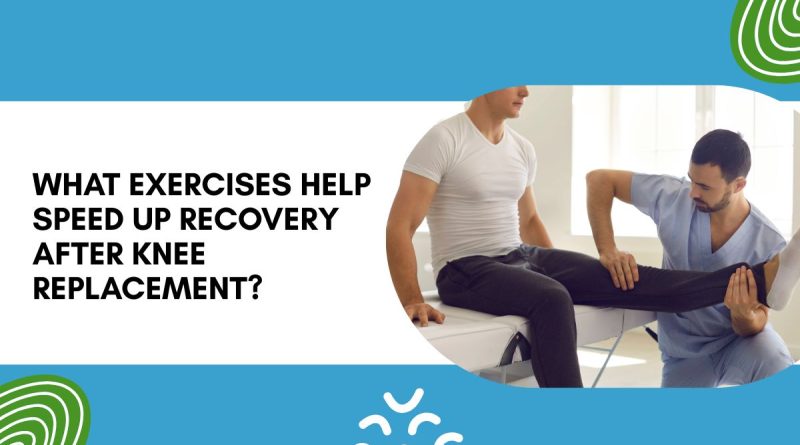
What Exercises Help Speed Up Recovery After Knee Replacement?
Recovering from knee replacement surgery is an important journey that requires patience, consistency, and the right rehabilitation plan. Whether you have undergone a total knee replacement, partial knee replacement, or another form of knee joint replacement, exercise plays a crucial role in restoring strength, flexibility, and mobility.
Many patients ask, “What exercises can help me recover faster after surgery?” The answer lies in following a structured exercise program recommended by your healthcare provider. If you are considering treatment at a trusted knee replacement hospital or consulting an experienced knee replacement surgeon in Jaipur, understanding the recovery process can help you achieve better outcomes.
Why Exercise Is Important After Knee Replacement Surgery
A successful knee replacement procedure does not end in the operating room. Rehabilitation is equally important for achieving the best knee replacement outcomes.
Regular exercises can help:
- Improve knee flexibility and range of motion
- Promote pain relief after knee replacement
- Reduce swelling and stiffness
- Strengthen surrounding muscles
- Enhance balance and stability
- Support improved knee mobility
- Restore independence in daily activities
- Encourage improved walking ability
- Contribute to better quality of life after knee surgery
Without proper rehabilitation, patients may experience knee stiffness after replacement, delayed recovery, and limited joint function.
When Should You Start Exercising?
Most patients begin gentle movements within 24 hours after surgery. Early mobility helps reduce the blood clot risk after surgery and improves circulation.
However, every patient’s recovery timeline is different. Always follow the recommendations provided by your orthopedic specialist and physiotherapist.
Best Exercises to Speed Up Recovery After Knee Replacement
1. Ankle Pumps
Ankle pumps are usually among the first exercises performed after surgery.
How to Do It:
- Lie comfortably on your back.
- Move your feet up and down repeatedly.
- Perform 10–20 repetitions several times daily.
Benefits:
- Improves blood circulation
- Reduces swelling
- Helps prevent blood clots
This simple exercise supports safer knee replacement recovery during the early healing phase.
2. Quadriceps Sets
The quadriceps muscles play a major role in supporting the knee.
How to Do It:
- Sit or lie with your leg straight.
- Tighten the thigh muscle by pressing the back of the knee toward the bed.
- Hold for 5–10 seconds.
- Repeat 10–15 times.
Benefits:
- Builds muscle strength
- Supports restored knee movement
- Improves overall knee stability
Strong quadriceps contribute significantly to increased joint function after surgery.
3. Straight Leg Raises
This exercise strengthens both the thigh and hip muscles.
How to Do It:
- Lie flat on your back.
- Keep one knee bent and the operated leg straight.
- Slowly lift the straight leg approximately 12 inches.
- Hold briefly and lower slowly.
Benefits:
- Improves muscle strength
- Enhances walking ability
- Supports faster recovery
Regular practice can help patients return to normal activities sooner.
4. Heel Slides
Heel slides are excellent for improving knee flexibility.
How to Do It:
- Lie on your back.
- Slowly slide your heel toward your buttocks.
- Bend the knee as much as comfortably possible.
- Return to the starting position.
Benefits:
- Increases range of motion
- Reduces stiffness
- Encourages improved knee mobility
This exercise is commonly recommended after both partial knee replacement and total knee replacement procedures.
5. Seated Knee Bends
As healing progresses, seated knee bends help improve flexibility.
How to Do It:
- Sit in a chair with feet on the floor.
- Slowly slide your foot backward under the chair.
- Hold for several seconds.
- Return to the starting position.
Benefits:
- Improves knee bending
- Supports daily movements
- Helps achieve better mobility outcomes
6. Short Arc Knee Extensions
This exercise strengthens the front thigh muscles without placing excessive stress on the knee.
How to Do It:
- Place a rolled towel under your knee.
- Straighten the lower leg while keeping the knee supported.
- Hold for a few seconds.
- Lower slowly.
Benefits:
- Strengthens quadriceps
- Enhances knee control
- Supports functional movement
7. Standing Hamstring Curls
Hamstring strength is essential for balanced knee function.
How to Do It:
- Stand while holding a sturdy support.
- Bend your knee and bring your heel toward your buttocks.
- Lower slowly.
Benefits:
- Improves muscle balance
- Supports walking
- Enhances overall knee performance
8. Walking
Walking is one of the most effective exercises after knee arthroplasty.
Benefits:
- Promotes circulation
- Builds endurance
- Encourages improved physical activity
- Supports enhanced daily activities
Start with short distances and gradually increase your walking time as advised by your healthcare team.
9. Stair Training
Once approved by your therapist, stair exercises can improve strength and confidence.
Benefits:
- Restores independence
- Improves balance
- Enhances coordination
This activity is particularly beneficial for returning to everyday routines.
10. Stationary Cycling
Stationary cycling is often introduced during later stages of rehabilitation.
Benefits:
- Improves flexibility
- Strengthens leg muscles
- Enhances cardiovascular fitness
- Supports long-term knee pain relief
It is a low-impact activity that helps maintain joint health without excessive stress.
Common Recovery Mistakes to Avoid
While exercise is essential, overexertion can delay healing.
Avoid:
- Skipping prescribed exercises
- Exercising through severe pain
- Ignoring swelling
- Returning to high-impact sports too early
- Missing follow-up appointments
Following professional guidance can help maximize the knee surgery benefits while minimizing complications.
Understanding Potential Risks During Recovery
Although modern knee replacement surgery has high success rates, patients should remain aware of possible complications.
Potential concerns include:
- Infection after knee replacement
- Blood clot risk after surgery
- Knee implant complications
- Nerve damage after knee surgery
- Implant loosening
- Persistent knee stiffness after replacement
- Need for revision knee replacement surgery
Recognizing symptoms early and attending scheduled follow-ups can help manage these issues effectively.
How Long Does Recovery Take?
Recovery timelines vary depending on age, overall health, and commitment to rehabilitation.
Generally:
- First few weeks: Focus on pain control and basic mobility.
- 6–12 weeks: Improved walking and daily activities.
- 3–6 months: Significant gains in strength and function.
- Up to 12 months: Continued improvement in mobility and comfort.
Most patients experience reduced chronic knee pain, improved joint function, and a return to many activities they previously avoided.
Final Thoughts
Exercise is one of the most powerful tools for achieving a successful knee replacement recovery. From ankle pumps and heel slides to walking and cycling, each exercise contributes to stronger muscles, better flexibility, and improved mobility.
Whether you have undergone a total knee replacement, partial knee replacement, or another type of knee joint replacement, a consistent rehabilitation program can help you enjoy restored knee movement, improved walking ability, and a significantly better quality of life after knee surgery.
If you are planning treatment at a reputable knee replacement hospital in Jaipur or seeking guidance from an experienced knee replacement surgeon in Jaipur, discussing a personalized recovery plan can help ensure the best possible outcome and long-term joint health.


