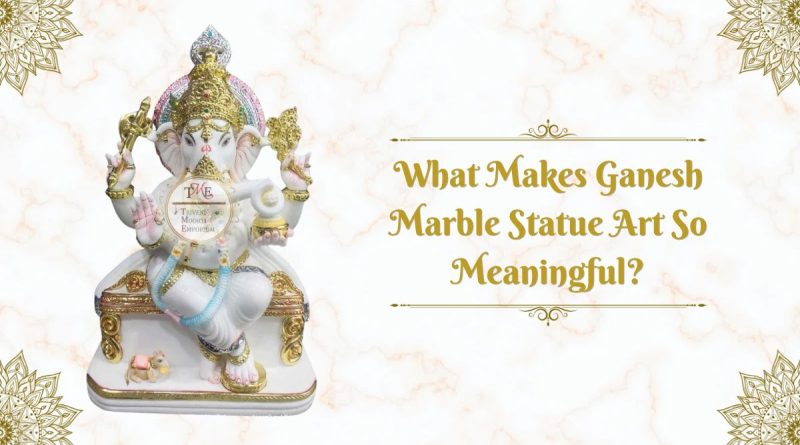
What Makes Ganesh Marble Statue Art So Meaningful?
A beautifully carved Ganesh statue is more than a decorative piece. It can represent faith, wisdom, prosperity, creativity, and the artistic traditions passed down through generations. Among the many materials used to create religious sculptures, marble has a special place because of its smooth texture, natural elegance, durability, and ability to capture fine details.
A Ganesh marble statue brings these qualities together with the rich symbolism associated with Lord Ganesha. From the shape of the trunk and ears to the posture, ornaments, and facial expression, every artistic element can carry a deeper meaning. This is why marble Ganesha sculptures are often chosen for homes, temples, offices, meditation spaces, and places of worship.
But what makes this form of art so meaningful? The answer lies in a combination of spiritual symbolism, traditional craftsmanship, material quality, and artistic detail.
Why Is Lord Ganesha Represented Through Art?
Lord Ganesha is one of the most widely recognized deities in Hindu tradition. He is commonly associated with wisdom, learning, prosperity, good beginnings, and the removal of obstacles. Because of these associations, Ganesha is often worshipped before important occasions and new beginnings.
Creating his image through sculpture allows artists to express these ideas visually. A statue can communicate a sense of calm, strength, knowledge, and auspiciousness without words.
Traditional Ganesha sculptures therefore involve much more than simply shaping stone into a recognizable figure. The artist has to pay attention to proportions, posture, facial expression, symbolic objects, and decorative elements so that the finished piece feels balanced and meaningful.
What Makes Marble Suitable for Ganesha Sculptures?
Marble has been used by skilled artisans for centuries because it can be carved into detailed forms while retaining a refined appearance. Its natural surface can give religious sculptures a clean and graceful look.
One of the most important qualities of marble is its ability to show delicate details. An experienced sculptor can carefully shape features such as the eyes, crown, jewelry, clothing, hands, and facial expression.
The natural variations within marble can also make every sculpture slightly different. Even when two statues follow a similar design, the stone’s grain, texture, and subtle patterns may give each piece its own visual character.
This combination of durability and detail makes marble a popular material for traditional religious sculpture.
Understanding the Symbolism Behind a Ganesha Statue
The meaning of a Ganesha sculpture comes from more than its overall appearance. Different features traditionally associated with Lord Ganesha can represent different qualities.
The Elephant Head
The elephant head is often interpreted as a symbol of wisdom, strength, and intelligence. Its presence gives the sculpture a distinctive identity while representing qualities that are valued in both spiritual and everyday life.
The Large Ears
Ganesha’s large ears are commonly associated with listening and attentiveness. They can be understood as a reminder to listen carefully, learn from others, and distinguish valuable knowledge from unnecessary distractions.
The Trunk
The trunk is one of the most recognizable elements of Ganesha’s form. Its flexibility can symbolize adaptability and the ability to deal with different situations. In sculpture, the direction and curve of the trunk can also influence the overall character of the piece.
The Modak
The modak, frequently shown in Ganesha’s hand, is traditionally associated with sweetness, knowledge, and the rewards of spiritual effort. Including such details gives the artwork another layer of symbolic meaning.
The Mouse
The mouse, often depicted alongside Ganesha, is another important symbolic element. Its presence can represent the control of desires and the ability to overcome distractions.
These details demonstrate why a Ganesha sculpture can be appreciated not only as artwork but also as a visual representation of traditional ideas.
How Does Marble Carving Preserve Traditional Craftsmanship?
Stone carving requires patience, precision, and experience. A sculptor generally begins with a block of stone and gradually removes material to create the intended form. Unlike working with temporary materials, stone carving offers very little room for careless mistakes.
A skilled artisan must understand how the marble will respond to different carving techniques. Larger forms may be shaped first, followed by increasingly smaller details. The final stages involve refining the surface, improving facial features, and creating decorative patterns.
A Marble Ganesh Moorti can therefore represent the combined effort of artistic knowledge and traditional craftsmanship. When made by an experienced artisan, the sculpture can preserve techniques that have been practiced and refined across generations.
Why Are Facial Details Important?
The face is often one of the most important parts of any religious sculpture. Small differences in the eyes, expression, lips, and overall proportions can significantly change the personality of the statue.
For Ganesha sculptures, artisans often aim for an expression that feels peaceful, welcoming, and composed. The eyes can create a sense of attentiveness, while the gentle facial expression can make the sculpture appear calm and approachable.
This is one reason handmade marble sculptures can have a distinctive character. The artisan’s interpretation becomes part of the final artwork.
How Does the Pose Affect the Meaning of the Sculpture?
The posture of a Ganesha statue can influence its visual impression and symbolic interpretation. Sitting, standing, or other traditional poses can create different artistic effects.
A seated Ganesha may create a feeling of stability and calmness, while a standing representation can appear more dynamic. The positioning of the hands, trunk, feet, and accompanying elements also contributes to the overall composition.
When selecting a Ganesh marble statue, buyers often consider not only the size and appearance but also the pose and the details represented in the sculpture.
Why Is Every Handcrafted Statue Slightly Different?
Machine-produced decorative items can be made with highly consistent shapes, but handmade stone sculpture naturally contains variations.
The artisan’s carving technique, the characteristics of the marble block, and the finishing process can all influence the final appearance. Slight differences in facial features, patterns, surface texture, and proportions can make one sculpture distinct from another.
These variations should not necessarily be viewed as imperfections. For many collectors and art enthusiasts, they are part of what makes handcrafted sculpture special.
Marble Ganesha Art as a Combination of Faith and Design
One of the most interesting aspects of marble Ganesha art is the way spirituality and aesthetics come together.
A sculpture may have religious significance for one person while also being appreciated as traditional Indian artwork by another. The balanced proportions, detailed carving, natural stone, and decorative elements can make it visually appealing even outside a worship setting.
This versatility has helped marble Ganesha sculptures become popular in different types of spaces. They can be displayed in prayer rooms, temples, entrance areas, living spaces, workplaces, and other environments where people want to create a peaceful and traditional atmosphere.
What Should You Consider When Choosing a Marble Ganesha?
Choosing a Ganesha sculpture is often a personal decision. Instead of focusing only on size or price, it can be useful to examine the quality and artistic details.
Consider the following factors:
- Marble quality: Look for stone with a suitable texture and finish.
- Carving detail: Examine the facial features, ornaments, hands, trunk, and other elements.
- Proportion: The different parts of the sculpture should appear balanced.
- Finishing: A smooth and carefully finished surface can enhance the beauty of the statue.
- Craftsmanship: Hand-carved work may contain distinctive artistic details.
- Design: Choose a posture and style that fits your intended space and purpose.
- Authenticity: If traditional craftsmanship is important to you, ask about the artisan and production process.
These considerations can help you select a piece that is visually attractive as well as meaningful.
Why Does Ganesh Marble Art Remain Relevant Today?
Despite changes in modern interior design, traditional marble sculpture continues to have a strong place in Indian homes and cultural spaces. One reason is its ability to combine timeless symbolism with an elegant visual appearance.
Modern spaces can also accommodate traditional artwork without making the overall design feel outdated. A carefully selected Ganesha sculpture can become a focal point while preserving a connection with Indian artistic heritage.
More importantly, the meaning associated with Ganesha remains relevant. Wisdom, adaptability, learning, prosperity, and overcoming obstacles are values that continue to matter in everyday life.
Final Thoughts
The meaning of Ganesh marble art comes from many layers. It combines religious symbolism, traditional Indian craftsmanship, natural stone, detailed carving, and artistic expression.
A Marble Ganesh Moorti is therefore not simply a statue carved from stone. Its significance can be found in the symbols represented through its form, the skill involved in creating it, and the cultural traditions that continue to inspire artisans today.
Whether appreciated as a sacred object, a piece of traditional art, or an elegant handcrafted sculpture, marble Ganesha artwork carries a timeless quality. Its enduring appeal comes from the way it connects visual beauty with ideas of wisdom, positivity, devotion, and new beginnings.


