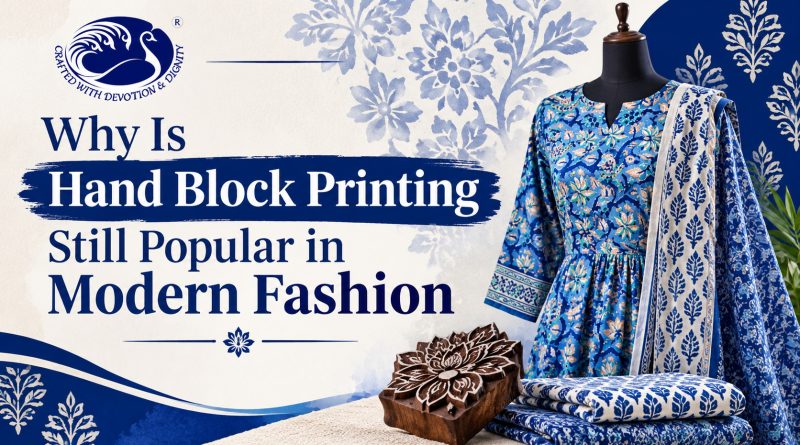
Why Is Hand Block Printing Still Popular in Modern Fashion
Fashion trends continue to evolve with changing lifestyles, technology, and consumer preferences. However, some traditional textile techniques remain timeless despite the growth of modern manufacturing methods. Hand block printing is one such art form that continues to hold a special place in the fashion industry. Known for its intricate patterns, natural inspiration, vibrant colours, and handcrafted appeal, this traditional Indian textile art has successfully adapted to contemporary fashion.
From everyday cotton kurtas and sarees to designer dresses, scarves, dupattas, and home textiles, hand block printed fabrics are widely appreciated for their artistic value and versatility. The growing interest in sustainable fashion, handmade products, and culturally inspired designs has further increased the popularity of this traditional craft.
India, particularly Jaipur in Rajasthan, is recognised for its rich heritage of textile printing. Skilled artisans continue to preserve traditional techniques while introducing modern patterns and colour combinations. This combination of heritage and innovation explains why hand block printing remains relevant in modern fashion.
What Is Hand Block Printing?
Hand block printing is a traditional textile printing technique in which designs are transferred onto fabric using specially carved wooden blocks. Artisans carefully carve patterns into wooden blocks, apply dyes or pigments to their surfaces, and press them onto fabric to create repeated designs.
The process requires precision, patience, and artistic skill. Each block is generally designed for a particular colour or pattern section. When multiple colours are used, artisans carefully align the blocks to create detailed and balanced designs.
Traditional Hand Block Printing commonly features floral motifs, geometric patterns, paisleys, nature-inspired elements, and cultural designs. Unlike mass-produced digital prints, handmade textile printing may contain slight variations that give every piece its own character.
Why Is Hand Block Printing Still Popular in Modern Fashion?
1. Unique Designs and Handcrafted Appeal
One of the biggest reasons behind the popularity of hand block printing is its distinctive appearance. Every handcrafted fabric reflects the skill and creativity of the artisan who produces it. Small variations in alignment, colour application, and printing create a natural handmade appearance.
Modern consumers increasingly appreciate products that offer individuality rather than identical mass-produced designs. Hand block printed clothing provides this distinctive quality while maintaining a connection with traditional craftsmanship.
Whether used in everyday ethnic wear or contemporary designer collections, these designs bring an artistic touch to modern wardrobes.
2. A Strong Connection with Indian Cultural Heritage
Indian Hand Block Printing represents generations of textile knowledge, craftsmanship, and regional artistic traditions. Rajasthan, Gujarat, and other parts of India have developed distinctive printing styles that reflect their cultural identities.
Jaipur is particularly famous for its traditional textile printing heritage, including Sanganeri and Bagru printing. These techniques are recognised for their distinctive motifs, colour combinations, and printing methods.
The increasing popularity of Jaipur block printing textiles demonstrates how traditional craftsmanship continues to influence modern clothing collections. Designers and fashion enthusiasts appreciate these fabrics because they combine cultural authenticity with contemporary styling.
3. Supports Sustainable and Responsible Fashion
Sustainability has become an important consideration in the modern fashion industry. Consumers are increasingly interested in understanding how their clothes are produced, what materials are used, and how manufacturing affects the environment.
Hand block printing can support more responsible textile production, particularly when artisans use responsibly sourced fabrics, suitable dyes, and low-waste production practices.
Unlike some large-scale industrial printing processes, traditional block printing can be carried out using relatively simple equipment and manual techniques. However, its environmental impact depends on factors such as dye composition, water consumption, fabric sourcing, and wastewater management.
The growing demand for sustainable fashion has created new opportunities for traditional textile crafts and skilled artisans.
4. Versatility in Contemporary Clothing
Another reason why Hand Block Printing in Modern Fashion remains popular is its versatility. These prints can be incorporated into different clothing styles, making them suitable for traditional, fusion, and contemporary wardrobes.
Hand block printed cotton fabric is particularly popular because it is comfortable, breathable, and suitable for everyday wear.
Some popular applications include:
- Kurtas, kurtis, and ethnic suits.
- Sarees and dupattas.
- Dresses, skirts, and co-ord sets.
- Shirts, tunics, and casual tops.
- Scarves, stoles, and fashion accessories.
Designers also experiment with traditional motifs on modern silhouettes, creating clothing that appeals to different age groups and fashion preferences.
5. Comfort and Natural Fabric Choices
Fabric selection plays an important role in clothing comfort. Cotton is one of the most commonly used materials for traditional block printing because it absorbs dyes effectively and allows intricate patterns to appear clearly.
Hand Printed Cotton Fabric is popular for everyday clothing, especially in warmer climates. Its breathable structure makes it suitable for casual outfits, summer dresses, kurtas, and lightweight ethnic wear.
Other fabrics, including silk, linen, and cotton blends, can also be used depending on the desired appearance and printing technique.
The combination of comfortable materials and artistic prints makes hand block printed textiles a practical choice for people who appreciate both style and functionality.
6. Modern Designers Are Reimagining Traditional Prints
Traditional printing techniques are no longer limited to conventional ethnic clothing. Contemporary fashion designers are exploring innovative ways to incorporate handcrafted patterns into modern collections.
Minimalist floral prints, abstract geometric motifs, pastel colour combinations, and experimental layouts are some examples of how traditional designs are being adapted.
Block Printed Fashion Trends now include oversized shirts, relaxed trousers, contemporary dresses, co-ord sets, and fusion outfits.
This creative adaptation allows traditional textile art to reach younger consumers while preserving its original craftsmanship.
7. Supports Local Artisans and Traditional Skills
Hand block printing depends on the knowledge and experience of skilled artisans. From carving wooden blocks to preparing fabrics and applying colours, each stage requires specialised craftsmanship.
Choosing handcrafted textiles can help create demand for traditional skills and support artisan communities. It also encourages the continuation of printing techniques that might otherwise face challenges from industrial production and changing consumer preferences.
A reliable hand block printed textile manufacturer plays an important role in connecting artisans, textile businesses, designers, retailers, and customers.
By promoting authentic handcrafted products, manufacturers can contribute to preserving India’s traditional textile heritage while meeting modern market requirements.
How Is Traditional Hand Block Printing Different from Digital Printing?
Both hand block printing and digital textile printing are widely used in the modern fashion industry, but they differ in their production methods, appearance, and craftsmanship. Hand block printing uses carved wooden blocks and relies on skilled artisans to create traditional, handcrafted patterns, whereas digital textile printing uses advanced digital technology to produce detailed designs with greater consistency. Hand block printing is a manual and artisan-driven process, so slight variations in patterns may occur, adding uniqueness and character to each fabric. In contrast, digital printing is machine-assisted and generally produces more uniform designs. While hand block printing requires specialised craftsmanship and is often suitable for small and medium production batches, digital textile printing requires digital design and technical expertise and can accommodate different production volumes. Neither technique is universally better; the right choice depends on the desired design, fabric requirements, production scale, budget, and overall aesthetic. Hand block printing is especially valued for its traditional appeal, artistic detailing, and handcrafted quality.
Why Is Jaipur Famous for Hand Block Printing Textiles?
Jaipur has earned recognition as an important centre of traditional textile printing in India. Its surrounding regions, particularly Sanganer and Bagru, are known for distinctive printing traditions that have been practised and refined over generations.
Sanganeri printing is commonly associated with delicate floral patterns, fine detailing, and lighter backgrounds. Bagru printing is traditionally known for its earthy colour palette, nature-inspired motifs, and distinctive resist and direct printing techniques.
The popularity of Jaipur block printing textiles comes from their combination of regional identity, skilled craftsmanship, and design versatility.
Today, these fabrics are used in ethnic clothing, contemporary fashion collections, accessories, and interior decoration. Their growing demand also creates opportunities for manufacturers and exporters serving domestic and international markets.
How to Choose Quality Hand Block Printed Fabric
Selecting quality fabric is important when purchasing handcrafted textiles for clothing or commercial production. Buyers should consider several factors before making a decision.
First, examine the printing quality. Patterns should have a balanced appearance, and the overall design should reflect careful craftsmanship. Minor variations are natural in handmade printing and should not automatically be considered defects.
Second, check the fabric composition. Cotton, linen, and silk offer different textures, comfort levels, and suitability for various clothing applications.
Third, understand the dyeing and colourfastness process. Ask the supplier about dye quality, washing instructions, and colour durability.
Finally, choose an experienced manufacturer or supplier who can provide information about fabric sourcing, printing methods, production capabilities, and quality control.
What Is the Future of Hand Block Printing in Modern Fashion?
The future of hand block printing looks promising as consumers continue to explore sustainable clothing, regional craftsmanship, and distinctive fashion designs.
The growing popularity of slow fashion has encouraged people to consider the quality, origin, and production methods behind their clothing. This creates opportunities for traditional textile techniques to become part of contemporary fashion collections.
E-commerce, social media, fashion collaborations, and international textile markets are also helping handcrafted Indian fabrics reach a wider audience.
At the same time, combining traditional skills with modern design development, improved quality control, and responsible production practices can help manufacturers meet changing customer expectations.
The continued relevance of this craft will depend on preserving artisan knowledge while allowing designers and manufacturers to experiment with new patterns, fabrics, and applications.
Conclusion
Hand block printing remains popular in modern fashion because it offers much more than attractive patterns. It represents India’s cultural heritage, skilled craftsmanship, artistic individuality, and the growing appreciation for handmade textiles.
From traditional ethnic wear to contemporary dresses and fusion clothing, hand block printed fabrics continue to adapt to changing fashion preferences. The popularity of Jaipur block printing textiles further highlights the importance of regional craftsmanship in India’s textile industry.
As consumers become more interested in sustainable fashion and authentic handmade products, traditional printing techniques are likely to maintain their importance. By supporting skilled artisans and choosing quality handcrafted fabrics, the fashion industry can help preserve this valuable textile art for future generations.