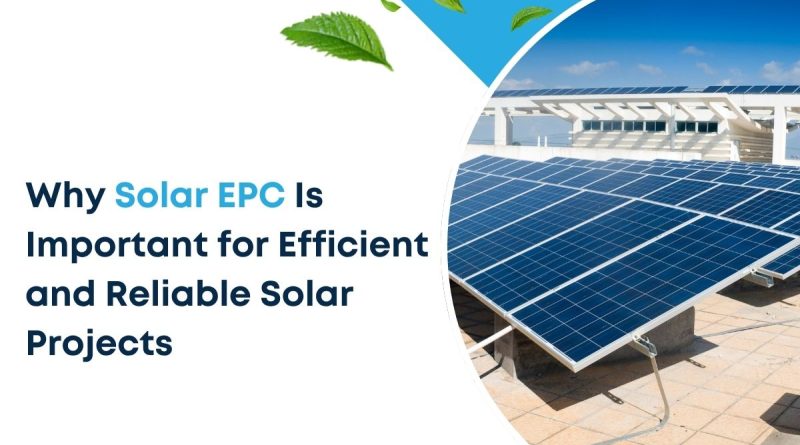
Why Solar EPC Is Important for Efficient and Reliable Solar Projects
Solar energy is becoming an important choice for homeowners, businesses, industries, institutions, and other property owners seeking cleaner electricity and better control over long-term energy costs. However, a successful solar installation involves much more than purchasing panels and placing them on a roof. System design, equipment selection, electrical planning, installation, testing, commissioning, and maintenance all influence the quality of the final project. A coordinated approach can therefore make a significant difference.
What Is EPC?
EPC stands for Engineering, Procurement, and Construction. It describes an integrated process for planning and delivering a solar power project. Engineering covers site assessment, energy analysis, system sizing, layout planning, electrical design, structural considerations, and installation planning. Procurement involves selecting and sourcing suitable panels, inverters, mounting structures, cables, protection equipment, and other components. Construction includes installation, wiring, testing, commissioning, and handover.
Instead of treating every activity as a separate task, an Soral EPC model connects the major stages of the project. This coordination can reduce communication gaps and help ensure that the equipment selected is compatible with the approved design.
Why Is EPC Important for Solar Projects?
A solar system is a long-term investment. Its performance depends on decisions made before installation as well as the quality of the work carried out on site. A coordinated project approach helps connect technical planning with procurement and construction, giving the customer a clearer path from the initial assessment to system operation.
1. Better Site and Energy Assessment
Every property has different conditions. Roof direction, shading, usable area, structural strength, electricity consumption, operating schedules, and future energy requirements can affect the recommended system. A proper assessment identifies these factors before equipment is ordered.
For example, a system designed without considering shade from nearby buildings or trees may produce less electricity than expected. Careful planning can help identify such limitations and support a more suitable layout.
2. Accurate System Design
Engineering is one of the most important stages of a solar project. The design determines system capacity, panel arrangement, inverter configuration, cable routes, protection requirements, mounting arrangements, and other technical details.
A well-planned design aims to balance energy requirements, available space, equipment specifications, safety, and expected generation. It can also reduce the likelihood of expensive modifications during installation.
3. Suitable Equipment Selection
Solar panels are only one part of a complete system. Inverters, mounting structures, cables, connectors, protection devices, earthing arrangements, and monitoring equipment also contribute to overall system operation.
An EPC approach considers how these components work together. Procurement can therefore follow the engineering specifications rather than being based only on price. Customers should receive clear information about the proposed equipment, specifications, warranties, and scope of supply.
4. Better Installation Coordination
When different contractors handle design, purchasing, and installation independently, communication gaps may lead to delays or compatibility issues. A coordinated EPC process can establish a clearer workflow between technical planning, material procurement, and site execution.
This can help the installation team follow the approved layout and ensure that required materials are available when needed. It can also make project scheduling and communication easier for the customer.
5. Focus on Safety
Solar projects involve electrical equipment, DC and AC circuits, rooftop work, cables, structures, and protection systems. Safety should therefore be considered from the design stage rather than after installation.
Proper electrical planning can include suitable protection devices, earthing, cable management, isolation arrangements, equipment placement, and safe installation practices. Following applicable standards and manufacturer instructions is essential for protecting both people and equipment.
6. Testing and Commissioning
A solar system should be checked before it is handed over for regular operation. Testing and commissioning help verify electrical connections, equipment operation, protection systems, monitoring functions, and other relevant aspects of the installation.
A structured commissioning process can identify issues early and provide the customer with greater confidence that the installed system has been reviewed before operation.
7. Clear Project Responsibility
One benefit of an integrated EPC arrangement is clearer responsibility. Instead of separately coordinating with a designer, equipment supplier, and installer, the customer can communicate with one project partner for the major stages.
This can simplify discussions about project progress, technical questions, equipment specifications, installation requirements, and post-installation assistance.
EPC for Residential, Commercial and Industrial Projects
Different applications require different planning approaches. Residential rooftop systems usually focus on household electricity consumption, available roof space, shading, system capacity, and budget. Commercial projects may have higher daytime energy demand and larger system requirements.
Industrial projects can involve larger capacities, complex electrical infrastructure, structural considerations, and detailed project scheduling. Ground-mounted installations may additionally require land assessment, structure planning, access arrangements, cable routing, and site development.
A suitable project approach should therefore be based on the actual characteristics of the property rather than using a standard system for every customer.
How to Choose the Right EPC Partner
Choosing an EPC provider should not be based on quotation price alone. Customers should evaluate technical knowledge, project experience, equipment transparency, installation practices, communication, documentation, and after-sales support.
If you are comparing a Solar EPC dealer in Jaipur, ask whether the provider conducts a proper site assessment and explains why a particular system capacity is recommended. Check whether the quotation clearly lists panels, inverters, structures, wiring, installation, testing, commissioning, and other inclusions.
A Solar EPC dealer in Jaipur should also be able to discuss genuine completed projects, relevant business credentials, warranty terms, maintenance support, and the process for handling service requests. Transparent communication can help customers understand both the benefits and limitations of the proposed system.
The Importance of Local Solar Expertise
Local knowledge can be useful when planning and installing solar systems. A Solar company in Jaipur may have experience with local property types, weather conditions, rooftop requirements, customer needs, and regional project processes.
Working with a Solar company in Jaipur can also make site visits and project communication more convenient. However, location should not be the only selection factor. Customers should also assess the provider’s technical capabilities, installation quality, project documentation, equipment choices, and ability to provide support after commissioning.
Understanding the Total Project Value
The cost of a solar system is important, but the cheapest quotation may not always provide the best long-term value. Customers should consider equipment quality, design suitability, installation standards, warranties, monitoring, maintenance, and service support alongside the initial price.
A properly planned project can help avoid problems associated with undersized systems, unsuitable equipment, poor cable management, inadequate protection, or difficult maintenance access. Comparing the complete scope of work can therefore provide a more meaningful basis for decision-making.
Why Professional Project Management Matters
Solar installation involves multiple activities that must happen in the right sequence. Site assessment comes before final design, equipment procurement follows technical specifications, and construction depends on material availability and approved plans. Testing and commissioning then verify the completed installation.
Professional project management helps coordinate these stages and keeps responsibilities clearer. It can also improve communication between the customer, engineering team, procurement team, installers, and service personnel.
Conclusion
EPC is important because a dependable solar project requires coordinated engineering, procurement, construction, testing, and commissioning. Quality panels alone cannot guarantee a well-performing installation. The complete system must be designed for the property, equipped appropriately, installed safely, and supported after handover.
For customers planning solar in Jaipur or elsewhere in Rajasthan, it is worth comparing providers based on technical capability, transparency, project experience, installation practices, and customer support. A well-organized EPC approach can make the solar installation process more structured while helping customers make a better-informed long-term energy decision.
Before selecting a provider, ask for a clear proposal that explains system capacity, major components, expected scope, warranties, installation responsibilities, and after-sales support. Taking time to understand these details can help you choose a solar solution that matches your property’s energy requirements and project goals with greater confidence, clarity, and control.
Frequently Asked Questions
1. What does Solar EPC mean?
Solar EPC stands for Engineering, Procurement and Construction. It covers the complete process of a solar project, including system design, equipment procurement, installation, testing and commissioning.
2. Why is Solar EPC important for a solar project?
Solar EPC helps coordinate the major stages of a project through an integrated process. Proper engineering, equipment selection and installation can contribute to system safety, reliability and suitable performance.
3. What services are included in a Solar EPC project?
A typical Solar EPC project may include site assessment, system design, equipment selection, procurement, installation, electrical work, testing, commissioning and after-sales support.
4. How do I choose a Solar EPC provider in Jaipur?
Compare providers based on their technical expertise, completed projects, equipment specifications, installation practices, warranties, documentation and after-sales support rather than considering price alone.
5. Is Solar EPC suitable for commercial and industrial projects?
Yes. Solar EPC can be used for residential, commercial and industrial projects. The system design and installation requirements are adjusted according to electricity consumption, available space, site conditions and project capacity.
6. What should I check before selecting a Solar EPC dealer in Jaipur?
Check the provider’s project experience, equipment details, quotation, warranty terms, installation scope, safety practices, commissioning process and after-sales support. Asking for genuine project examples can also help evaluate experience.
7. How does a Solar EPC company help with system design?
The engineering team evaluates factors such as electricity consumption, roof or land area, shading, system capacity, equipment specifications and electrical requirements before preparing the solar system design.
8. Does Solar EPC include solar panel installation?
Yes. Solar panel installation is generally part of the construction stage of an EPC project, along with mounting structures, wiring, electrical connections, protection systems and other required components.
9. What is the role of testing and commissioning in Solar EPC?
Testing and commissioning help verify that the installed solar system and its major components are functioning properly before the system is handed over for regular operation.
10. How can a Solar company in Jaipur support customers after installation?
A Solar company in Jaipur may provide after-sales assistance, system guidance, maintenance support and help with service-related requirements after the solar installation has been commissioned.