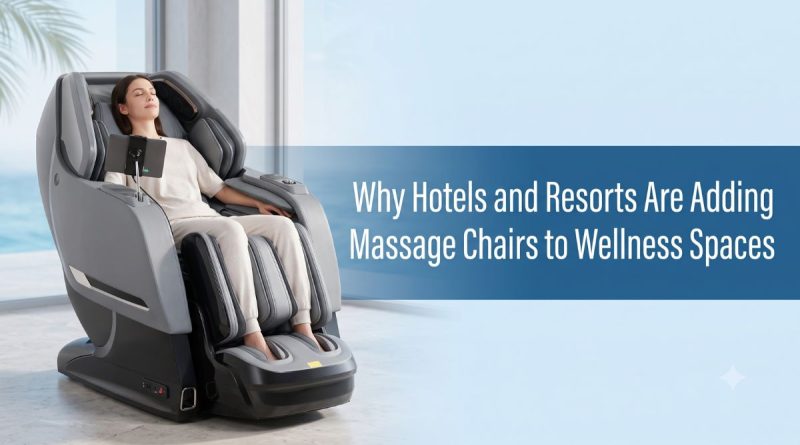
Why Hotels and Resorts Are Adding Massage Chairs to Wellness Spaces
Wellness has quietly become one of the biggest differentiators in hospitality. Guests no longer judge a stay only by thread count and room service—they’re asking whether a property helps them actually rest, recover, and reset. That shift is a big part of why more hotels and resorts are installing a massage chair in their spa lounges, gyms, and even guest rooms. It’s a low-maintenance, high-impact way to deliver a spa-level experience without needing a therapist on call around the clock.
Here’s a closer look at what’s driving this trend and why it’s likely to keep growing.
1. Guests Expect Recovery, Not Just Relaxation
Travel—especially business travel and long-haul flights—takes a physical toll. Stiff necks, sore lower backs, and swollen legs are common complaints after a day of flights, conference chairs, or sightseeing. Hotels have picked up on this and started treating recovery as part of the guest experience, not an optional add-on.
A full body massage chair fits this need perfectly. Instead of guests having to book a 60-minute appointment with a therapist, they can drop into a chair for 15–20 minutes between meetings or after a workout and get targeted relief for the neck, shoulders, back, and legs. It’s fast, it’s private, and it scales—one chair can serve dozens of guests a day without scheduling headaches for the spa team.
2. Zero Gravity Positioning Elevates the Experience
Not all massage chairs are created equal, and hotels investing in wellness want guests to feel the difference. This is where the zero gravity massage chair comes in. Originally inspired by the neutral body position astronauts adopt during liftoff, zero gravity recline distributes body weight evenly and takes pressure off the spine, making the massage feel deeper and more effective.
For hotels, this matters for two reasons:
- Perceived luxury—the reclining motion itself feels premium, almost theatrical, which plays well in photos and social sharing.
- Better outcomes—reduced spinal pressure allows the massage rollers to work more effectively on tense muscles, which means guests leave the chair genuinely feeling better, not just relaxed for a moment.
That combination of visual appeal and real therapeutic benefit is exactly what wellness-focused properties are chasing.
3. Technology Guests Recognize and Trust
Massage chair technology has advanced significantly over the past decade, and today’s models use sophisticated robotic massage chair mechanisms—multi-directional rollers, airbag compression systems, body scanning sensors, and programmable massage tracks that adjust to a person’s height and pressure preference automatically.
For hotel operators, this technology-forward angle is a selling point in itself. Guests increasingly understand the difference between a basic vibrating chair and a genuinely intelligent robotic system that maps the body and customizes the massage in real time. Featuring recognizable, well-engineered technology signals that the property is investing in quality, not just checking a wellness box.
Brands like ROTAI have become known in the hospitality supply space for chairs that combine this kind of intelligent body-scanning technology with durable, commercial-grade builds—an important factor for properties that need equipment to withstand heavy daily use.
4. Lower Operating Costs Than a Full-Service Spa
Running a full-service spa is expensive: licensed therapists, product inventory, laundry, and scheduling software all add up. A wellness lounge stocked with a few massage chairs offers many of the same relaxation benefits with a fraction of the overhead. There’s no staffing requirement, no appointment booking system needed, and maintenance is straightforward compared to running a full treatment room.
This makes massage chairs especially attractive for:
- Boutique hotels that want a wellness offering without building a full spa
- Business hotels catering to guests with limited time
- Resorts looking to supplement (not replace) their existing spa services
- Gyms and fitness centers within larger properties, where post-workout recovery is a natural fit
5. A Wellness Amenity That Works Around the Clock
Unlike spa treatments, which are limited by staff hours, a massage chair is available whenever the space is open—early morning before a flight or late at night after a delayed one. This 24-hour accessibility aligns with how modern travelers actually move through their day, especially international guests dealing with jet lag or unconventional schedules.
6. A Photogenic, Shareable Amenity
Wellness spaces are increasingly designed with social sharing in mind, and a sleek, reclining massage chair set against a calming interior makes for an easy, aspirational photo. Hotels benefit from this organic marketing every time a guest posts about their stay, reinforcing the property’s wellness positioning to a much wider audience than the guests in the building.
The Bottom Line
The rise of the massage chair in hotel and resort wellness spaces isn’t a passing trend—it reflects a broader shift toward recovery-focused hospitality. Guests want convenient, effective ways to unwind, and modern chairs—particularly full body and zero-gravity models built on robotic massage chair technology—deliver a spa-quality experience without the overhead of a full-service spa. As more properties compete on wellness credentials, expect massage chairs to move from a nice-to-have amenity to a standard feature of the modern hotel experience.


