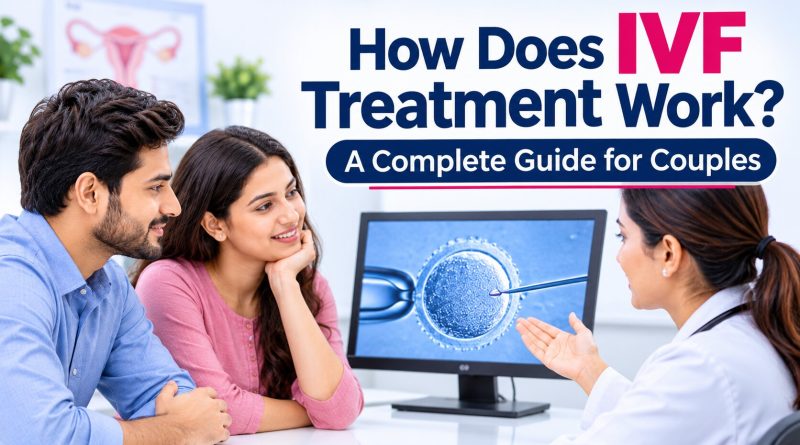
How Does IVF Treatment Work? A Complete Guide for Couples
Starting a family is an important milestone in a couple’s life, but fertility challenges can sometimes make the journey difficult. With advancements in reproductive medicine, several treatment options are now available to help couples achieve pregnancy. One of the most widely used assisted reproductive techniques is In Vitro Fertilization (IVF). It helps couples facing different fertility problems by combining eggs and sperm in a laboratory under controlled conditions.
Understanding how IVF works, who may benefit from it, and what happens during each stage can help couples make informed decisions about their reproductive health. Consulting experienced fertility specialists at an IVF Centre in Kota can help couples understand their condition and explore suitable treatment options.
What Is IVF Treatment?
In Vitro Fertilization (IVF) is an assisted reproductive technology in which an egg and sperm are combined outside the body in a specialized laboratory. Once fertilization occurs, the resulting embryo is monitored for development. A suitable embryo may then be transferred into the woman’s uterus to achieve pregnancy.
IVF is commonly recommended for couples experiencing fertility difficulties due to blocked fallopian tubes, ovulation disorders, male-factor infertility, endometriosis, or unexplained infertility.
Unlike natural conception, where fertilization usually takes place inside the fallopian tube, IVF allows fertilization to happen in a controlled laboratory environment. This approach provides an additional option for couples who have difficulty conceiving naturally.
Why Do Couples Need IVF Treatment?
There are several medical and reproductive factors that can affect a couple’s ability to conceive. When natural conception becomes difficult, doctors may recommend fertility investigations and appropriate treatment.
Some common reasons for considering IVF include:
1. Blocked or Damaged Fallopian Tubes
Fallopian tubes play an important role in natural fertilization. If both tubes are blocked or severely damaged, the egg and sperm may not meet naturally. IVF can help overcome this problem by allowing fertilization outside the body.
2. Male Infertility
Low sperm count, reduced sperm movement, or abnormalities in sperm structure can affect fertilization. Depending on the condition, doctors may recommend IVF with additional techniques such as Intracytoplasmic Sperm Injection (ICSI).
3. Ovulation Disorders
Some women experience irregular or absent ovulation due to hormonal conditions, including Polycystic Ovary Syndrome (PCOS). These conditions can make natural conception difficult and may require fertility treatment.
4. Endometriosis
Endometriosis occurs when tissue similar to the uterine lining grows outside the uterus. It may affect the ovaries, fallopian tubes, and reproductive organs, sometimes reducing fertility.
5. Unexplained Infertility
In certain couples, standard fertility investigations do not identify a clear reason for difficulty conceiving. Depending on their medical history and previous treatment, IVF may be considered as an appropriate option.
How Does the IVF Treatment Process Work?
IVF involves several stages, and the complete process generally takes a few weeks. However, the duration may vary depending on the woman’s response to medication, embryo development, and the treatment plan.
1. Initial Consultation and Fertility Assessment
The first step involves understanding the couple’s reproductive health and medical history. The fertility specialist may recommend blood tests, hormone evaluations, ultrasound examinations, semen analysis, and other investigations when necessary.
These tests help identify possible fertility problems and determine whether IVF is suitable.
An experienced specialist also discusses previous pregnancy history, medications, lifestyle factors, and any existing medical conditions before planning treatment.
2. Ovarian Stimulation
During a natural menstrual cycle, usually one egg develops and becomes available for fertilization. In IVF, fertility medications are used to stimulate the ovaries to develop multiple follicles.
The woman receives prescribed hormonal injections for a specific period. Doctors monitor follicle growth through ultrasound scans and, when needed, blood tests.
This monitoring helps determine the appropriate time for the next stage of treatment.
3. Egg Retrieval
Once the eggs are considered mature, a trigger medication is administered to prepare them for collection.
Egg retrieval is generally performed under sedation or anaesthesia using ultrasound guidance. A thin needle is passed through the vaginal wall into the ovarian follicles to collect the eggs.
The collected eggs are then transferred to the embryology laboratory for assessment and fertilization.
4. Sperm Collection and Fertilization
A sperm sample is collected from the male partner or obtained through an appropriate medical procedure when required.
The laboratory evaluates sperm quality and selects a suitable fertilization method.
There are two commonly used approaches:
- Conventional IVF: Eggs and prepared sperm are placed together in a laboratory dish to allow fertilization.
- ICSI: A single selected sperm is injected directly into an egg using specialized laboratory equipment.
The choice depends on sperm quality, previous fertilization history, and the couple’s medical requirements.
5. Embryo Development and Monitoring
After fertilization, the resulting embryos are monitored in a controlled laboratory environment.
Embryologists assess their development, appearance, and suitability for transfer. Embryos may be cultured for several days, depending on their development and the treatment plan.
In selected cases, doctors may discuss preimplantation genetic testing when medically appropriate.
6. Embryo Transfer
Embryo transfer is an important stage of IVF treatment. A selected embryo is placed inside the uterus using a thin, flexible catheter.
The procedure is generally simple and does not usually require anaesthesia.
Depending on the woman’s condition and clinical recommendations, the embryo transfer may take place during the same treatment cycle or in a later frozen embryo transfer cycle.
7. Pregnancy Test and Follow-Up
After embryo transfer, doctors recommend waiting for the appropriate period before performing a pregnancy blood test, usually an hCG test.
If the result is positive, further monitoring and ultrasound examinations help confirm the development and location of the pregnancy.
If the result is negative, the fertility specialist discusses the possible reasons and suitable next steps.
What Factors Can Affect IVF Success?
IVF outcomes differ from one couple to another. Several factors influence the chances of achieving pregnancy, including:
- Female Age: Age is an important factor because egg quantity and quality generally decline over time.
- Egg and Sperm Quality: Healthy reproductive cells support fertilization and embryo development.
- Uterine Health: Conditions affecting the uterus may influence embryo implantation.
- Underlying Medical Conditions: Hormonal disorders, endometriosis, and other health problems may affect fertility.
- Embryo Development: Embryo quality and developmental progress are important considerations.
- Previous IVF History: Previous treatment outcomes can help specialists plan future cycles.
It is important to understand that IVF does not guarantee pregnancy. A fertility specialist can explain individual success estimates based on medical history and clinical findings.
How to Prepare for IVF Treatment?
Proper preparation can help couples manage the treatment process more comfortably. Before starting IVF, consider the following points:
Maintain a Balanced Diet: Include vegetables, fruits, whole grains, protein sources, and other nutritious foods in daily meals.
Follow Medical Advice: Take prescribed medicines as directed and attend all monitoring appointments.
Avoid Smoking and Alcohol: Smoking and excessive alcohol consumption can negatively affect reproductive health.
Maintain a Healthy Lifestyle: Regular physical activity, adequate sleep, and stress management support general well-being.
Discuss Existing Medical Conditions: Inform the fertility specialist about diabetes, thyroid disorders, high blood pressure, or other health concerns.
Couples should also discuss treatment costs, possible risks, medication requirements, and the expected timeline before beginning the IVF cycle.
What Are the Possible Risks and Side Effects of IVF?
Although IVF is a widely used fertility treatment, it may involve certain risks and side effects.
Some women experience temporary bloating, abdominal discomfort, headaches, or mood changes due to hormonal medications.
Other possible complications include:
- Ovarian Hyperstimulation Syndrome (OHSS), which can occur due to an excessive response to fertility medication.
- Bleeding or infection following egg retrieval.
- Ectopic pregnancy, although uncommon.
- Multiple pregnancy, particularly when more than one embryo is transferred.
- Emotional and financial stress during repeated treatment cycles.
Doctors take several precautions to reduce these risks and recommend an individualized treatment approach.
Choosing the Right IVF Centre for Treatment
Selecting an appropriate fertility centre is an important decision for couples. A reliable IVF Centre in Kota should provide proper fertility evaluation, experienced medical professionals, trained embryologists, and suitable laboratory facilities.
Before choosing a centre, couples should consider:
- Qualifications and experience of fertility specialists.
- Availability of modern IVF laboratory facilities.
- Diagnostic and fertility evaluation services.
- Transparent information about treatment costs.
- Proper counselling and patient support.
- Clear communication about treatment procedures and expected outcomes.
Couples should also feel comfortable discussing their concerns and asking questions throughout the treatment journey.
Importance of Overall Health During Fertility Treatment
Reproductive health is closely connected with overall physical well-being. Conditions such as diabetes, thyroid disorders, obesity, and hormonal imbalances may influence fertility and pregnancy outcomes.
Some women may also have existing heart-related conditions that require medical evaluation before pregnancy. In such situations, consultation with the Best Cardiologist in Kota may help assess cardiovascular health and identify any precautions needed before or during pregnancy.
Women with known heart disease should discuss pregnancy planning with both their cardiologist and fertility specialist. A coordinated approach helps doctors make appropriate decisions according to individual health requirements.
Similarly, timely Infertility Treatment can help identify reproductive problems and provide suitable options based on the couple’s medical condition.
Conclusion
IVF has become an important treatment option for couples experiencing difficulties with natural conception. From initial fertility assessment and ovarian stimulation to egg retrieval, fertilization, embryo transfer, and pregnancy testing, every stage requires careful medical planning and monitoring.
Understanding the complete process can help couples prepare for treatment and make informed decisions. Choosing experienced specialists, following medical advice, and maintaining overall health are important parts of the journey. Couples considering IVF should seek professional guidance to understand their fertility condition and identify the most suitable treatment approach.
Frequently Asked Questions
- What is the full form of IVF?
IVF stands for In Vitro Fertilization. It is an assisted reproductive technique in which eggs and sperm are combined in a laboratory to achieve fertilization.
- How long does an IVF treatment cycle take?
A typical IVF cycle takes around four to six weeks from the beginning of ovarian stimulation to the pregnancy test. The actual duration depends on the treatment protocol and individual medical requirements.
- Is IVF treatment painful?
Most IVF procedures are manageable with appropriate medical support. Egg retrieval is generally performed under sedation or anaesthesia. Some women may experience mild cramps, bloating, or discomfort during treatment.
- What is the ideal age for IVF treatment?
There is no single ideal age for everyone. However, female age plays an important role in IVF outcomes because egg quality and quantity generally decline with age. Early consultation can help couples understand their options.
- Can IVF help with male infertility?
Yes. IVF, particularly when combined with ICSI, may help couples facing certain male fertility problems, including low sperm count or poor sperm motility.