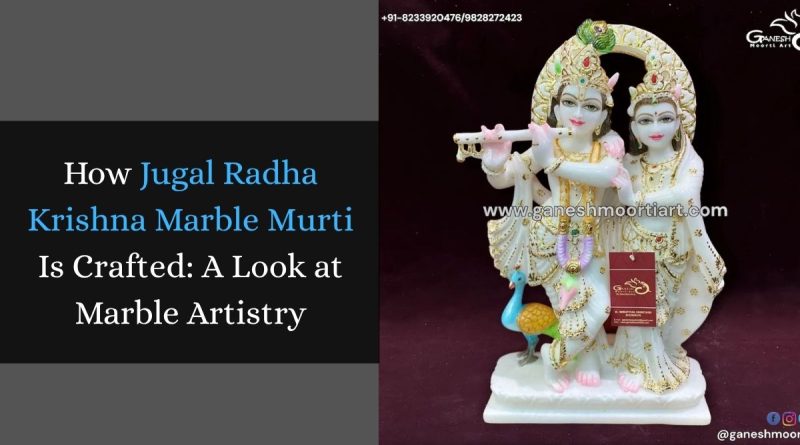
How Jugal Radha Krishna Marble Murti Is Crafted: A Look at Marble Artistry
A marble murti is more than a decorative sculpture. It combines natural stone, traditional craftsmanship, careful proportions, and detailed handwork. Among devotional sculptures, Radha and Krishna are especially admired for their graceful expressions, elegant postures, and symbolic connection. A Jugal radha krishna marble murti brings these qualities together in a single artistic representation that can become a meaningful part of a home temple, spiritual space, or traditional setting.
Creating such a murti involves several stages, from selecting the right block of marble to finishing the smallest decorative details. The quality of the stone and the experience of the artisan both influence the final appearance. Understanding this process helps buyers appreciate the workmanship behind a handcrafted marble sculpture.
Selecting the Right Marble
The process begins with choosing a suitable marble block. Artisans consider the stone’s color, grain, density, surface consistency, and size before starting the sculpture. White marble is commonly selected for religious murtis because its clean appearance provides a calm and traditional look.
The block needs to be strong enough to withstand carving while allowing artisans to create fine details. Natural marble can contain variations in shade and veining, so experienced craftsmen inspect the material carefully. The intended size and design also influence the selection because larger or more detailed sculptures require an appropriately sized block.
Planning the Design
Once the marble is selected, the artisan develops the basic design. Proportions are particularly important when sculpting two figures together. The relationship between Radha and Krishna, their posture, facial expressions, clothing, ornaments, and supporting elements must be planned before detailed carving begins.
Traditional references help establish the overall form, while the artisan considers the customer’s preferred size and design features.
Initial Cutting and Shaping
The next stage is rough cutting. Unnecessary portions of marble are removed using appropriate cutting and shaping tools. The artisan gradually defines the heads, bodies, arms, clothing, and base. Care is necessary because removing too much stone cannot be reversed, so delicate sections are shaped progressively.
Detailed Hand Carving
Detailed carving is one of the most important stages of making a Radha Krishna marble idol. After the rough shape is established, artisans work on facial features, hair, garments, ornaments, hands, feet, and other decorative elements.
Facial expressions require particular attention. The eyes, lips, nose, and overall expression must be proportionate and balanced. Similarly, folds in clothing and jewelry patterns are carefully carved to create depth. Hand tools help artisans control material removal and produce fine details.
Creating Radha and Krishna Together
A Jugal radha krishna marble murti requires additional attention because two figures must appear visually connected while maintaining their individual forms. Their posture, height, positioning, and gestures are coordinated during the carving process.
The artisan may incorporate elements such as Krishna’s flute, flowing garments, jewelry, floral details, or a decorative base according to the selected design. These features add character while keeping the central figures visually balanced.
Surface Smoothing
After carving is complete, the sculpture goes through smoothing and polishing stages. Abrasive materials are used gradually to reduce rough marks left by carving and to create a more refined surface.
The finish can be bright and smooth or retain selected handcrafted textures. Proper finishing highlights the marble and makes carved details easier to see.
Quality Inspection
Before a finished murti is delivered, it should be inspected carefully. Craftsmen check the proportions, surface finish, fine details, stability, and overall appearance. Small imperfections may be corrected during the finishing stage.
For buyers working with a marble murti Manufacturer, asking about the material, craftsmanship, finishing process, and customization options can provide useful information before placing an order. Photographs, dimensions, marble type, and care instructions can also help buyers evaluate the product.
Why Craftsmanship Matters
The quality of a marble sculpture depends on more than the stone itself. Experienced artisans understand how marble responds to tools and how much material can safely be removed from delicate areas.
Handcrafted work can also provide customization possibilities. Customers may request dimensions, pedestal styles, ornamentation, facial expressions, or other design preferences. The final result can reflect traditional artistic principles and individual requirements.
Choosing a Jugal Radha Krishna Marble Murti
When selecting a murti, buyers should consider size, marble quality, design, craftsmanship, finishing, and intended placement. For a home temple, available space and viewing distance are important. Larger spaces may accommodate elaborate sculptures, while compact areas may suit simpler designs.
It is also useful to examine close-up images of the face, ornaments, clothing details, and base. These areas can reveal the precision of the carving. Buyers should also confirm measurements and understand whether the displayed design can be customized.
Care and Maintenance
Marble is durable, but regular care helps preserve its appearance. Dust can be removed with a soft, dry or slightly damp cloth. Avoid harsh chemicals, acidic cleaners, and abrasive materials, and preserve its appearance over time. For specialized finishes, following the care instructions provided by the manufacturer can help maintain it.
Protect the murti from accidental impacts, especially around thin decorative elements, and follow the manufacturer’s care recommendations.
The Role of Traditional Marble Artistry
Traditional marble carving continues to connect craftsmanship with devotional art. Each sculpture requires patience because detailed work cannot be rushed. Artisans often spend time refining small elements that contribute to the overall character of the murti.
A carefully crafted Radha Krishna sculpture can therefore represent both spiritual symbolism and the skills of the artisan. Natural marble gives the sculpture its foundation, while carving, finishing, and attention to proportion bring the design to life.
Conclusion
The making of a Jugal Radha krishna marble idol involves a combination of material selection, design planning, rough shaping, detailed carving, smoothing, polishing, and quality inspection. Every stage contributes to the final appearance and durability of the sculpture.
For buyers, understanding this process makes it easier to evaluate craftsmanship and choose a suitable piece. Whether intended for a home temple, spiritual setting, or traditional interior, a thoughtfully crafted marble sculpture reflects the enduring appeal of Indian marble artistry.
FAQ
1. What is a Jugal Radha Krishna marble murti?
A Jugal Radha Krishna marble murti is a marble sculpture depicting Radha and Krishna together. It is commonly created for devotional spaces and can feature detailed clothing, ornaments, expressions, and traditional decorative elements.
2. Which marble is commonly used for Radha Krishna murtis?
White marble is commonly used because of its clean appearance and suitability for detailed carving. The exact marble type can vary depending on the design, size, and manufacturer’s material selection.
3. How long does it take to make a marble murti?
The production time depends on the size, design complexity, carving details, finishing requirements, and level of customization. Larger and highly detailed sculptures generally require more craftsmanship and time.
4. Can a Jugal Radha Krishna marble murti be customized?
Yes. Depending on the artisan or manufacturer, customers may be able to request changes in size, design elements, pedestal style, ornamentation, and other features.
5. How should a marble murti be cleaned?
A soft cloth can be used for routine dusting and cleaning. Avoid harsh chemicals, acidic cleaners, and abrasive materials. For specialized finishes, follow the care instructions provided by the manufacturer.
6. What should I check before buying a Radha Krishna marble idol?
Check the marble quality, dimensions, carving details, facial features, finishing, stability, customization options, and photographs of the actual or representative product. It is also useful to ask about packaging and delivery arrangements.
7. What does a marble murti Manufacturer provide?
A marble murti Manufacturer may provide handcrafted sculptures in different sizes and designs, along with customization, finishing, packaging, and delivery services depending on the business.
8. Why is hand carving important in marble sculpture?
Hand carving allows artisans to control fine details and gradually refine features such as facial expressions, garments, ornaments, and decorative patterns. It is an important part of traditional marble artistry.