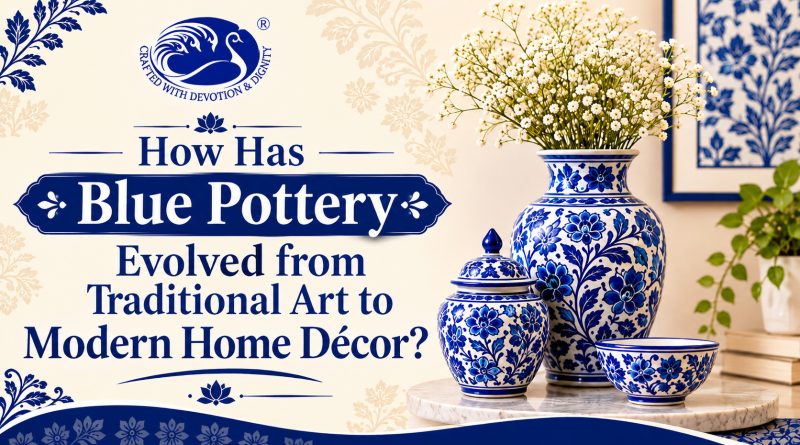
How Has Blue Pottery Evolved from Traditional Art to Modern Home Décor?
Blue Pottery is one of India’s most distinctive traditional handicrafts, admired for its vibrant blue shades, intricate patterns, and detailed craftsmanship. Originating from a rich artistic tradition, Jaipur Blue Pottery has gradually evolved from a decorative craft associated with cultural heritage into a popular choice for contemporary home décor. Today, its artistic appeal can be seen in decorative plates, flower vases, wall hangings, table accessories, tiles, and other lifestyle products.
The growing popularity of handmade home accessories has also created new opportunities for traditional artisans and blue pottery manufacturers in Jaipur. By combining heritage-inspired patterns with modern designs, manufacturers are making this traditional art form relevant to changing interior design preferences.
But how has Blue Pottery transformed over the years? What makes it suitable for modern homes, and how do traditional manufacturing techniques continue to influence contemporary designs? Understanding its history, production methods, and changing applications helps explain why this craft remains valuable in today’s home décor industry.
Understanding the History and Origin of Jaipur Blue Pottery
Jaipur Blue Pottery is a traditional craft known for its distinctive blue and white colour combinations, floral patterns, geometric designs, and glazed surfaces. Its artistic influences are associated with Persian and Central Asian ceramic traditions, which gradually developed through cultural exchanges and regional craftsmanship.
The art form became particularly established in Jaipur, Rajasthan, where local artisans adapted decorative techniques and developed distinctive designs. Over time, Jaipur became widely recognised for this specialised pottery tradition.
Unlike conventional clay pottery, traditional Blue Pottery is known for its distinctive quartz-based composition. Its production traditionally involves materials such as quartz powder, powdered glass, multani mitti, and other ingredients. This composition gives the craft its characteristic appearance and production requirements.
Initially, Blue Pottery was primarily appreciated for its decorative and artistic value. Its traditional patterns often featured flowers, leaves, birds, vines, and symmetrical motifs inspired by nature and cultural aesthetics.
Today, these traditional elements continue to influence contemporary Blue Pottery collections.
How Traditional Blue Pottery Was Originally Used
In its earlier forms, Blue Pottery was primarily valued as an artistic and decorative craft. Artisans created products that reflected traditional aesthetics, regional culture, and intricate hand-painting techniques.
Decorative plates, bowls, tiles, and ornamental objects were among the commonly associated products. Their detailed patterns and glazed finishes made them attractive additions to traditional interiors.
The production process required patience, precision, and specialised knowledge. Artisans prepared the pottery mixture, shaped the products, allowed them to dry, applied decorative designs, and completed the glazing and firing stages.
Each stage required careful attention because small variations in material preparation, painting, or firing could affect the final appearance.
Traditional Blue Pottery was also appreciated for its handcrafted character. Unlike mass-produced decorative products, handmade pieces reflected the individual skill and artistic interpretation of the artisan.
How Has Blue Pottery Evolved Over Time?
The evolution of Blue Pottery has largely been influenced by changing consumer preferences, interior design trends, and the growing appreciation of handmade products.
Earlier, the craft was strongly associated with traditional decorative objects and heritage-inspired designs. Today, its applications extend to contemporary living spaces, lifestyle accessories, hospitality interiors, and personalised gifting.
Modern artisans and manufacturers have introduced new shapes, patterns, finishes, and product categories while retaining the traditional identity of the craft.
For example, traditional floral patterns are now incorporated into minimalist decorative plates, modern table accessories, stylish vases, and decorative wall installations.
Similarly, classic blue-and-white colour combinations are being used alongside complementary shades to suit different interior themes.
This transformation demonstrates how traditional craftsmanship can adapt to modern design requirements without losing its cultural significance.
The Role of Jaipur Blue Pottery Manufacturers in Modern Design
The contribution of Jaipur blue pottery manufacturers from India is important in maintaining the relevance of this traditional art form. Manufacturers and artisan communities help connect traditional production knowledge with contemporary consumer requirements.
Modern manufacturers increasingly explore different product shapes, decorative applications, and design preferences to meet the expectations of homeowners, interior designers, retailers, and handicraft enthusiasts.
Some important developments include introducing contemporary decorative collections, adapting traditional motifs to modern interiors, and developing products for gifting and lifestyle applications.
However, maintaining the handcrafted identity of Blue Pottery remains equally important. Its artistic value comes from the combination of traditional material knowledge, skilled hand painting, and careful production techniques.
Experienced Blue Pottery Manufacturers in Jaipur help preserve these characteristics while exploring new opportunities in domestic and international markets.
Popular Blue Pottery Products for Modern Home Décor
One of the biggest changes in Blue Pottery is the expansion of its product range. Instead of being limited to conventional decorative objects, it is now used in several areas of interior styling.
Blue Pottery Vases: Handmade Blue Pottery vases are popular decorative accessories for living rooms, bedrooms, and entryways. Their distinctive patterns and glossy finishes can complement both traditional and contemporary interiors.
Decorative Plates: Blue Pottery plates featuring floral, geometric, and traditional motifs can be displayed on walls, shelves, and dining spaces. They introduce colour and artistic detail without requiring extensive decoration.
Wall Décor and Tiles: Decorative Blue Pottery tiles and wall installations bring traditional craftsmanship into modern architectural spaces. They can be used as accent elements in kitchens, bathrooms, and selected interior areas, subject to product suitability and installation requirements.
Table Accessories: Bowls, trays, and other decorative table accessories combine artistic detailing with everyday styling. Their designs can complement dining tables, coffee tables, and display arrangements.
Home Décor Showpieces: Small decorative objects, figurines, and handcrafted ornaments offer an easy way to introduce Indian handicraft elements into modern interiors.
These products demonstrate how Blue Pottery has moved beyond conventional decorative applications and become part of modern lifestyle aesthetics.
Traditional Blue Pottery vs Modern Blue Pottery Designs
Traditional and modern Blue Pottery share the same artistic foundation, but they differ in their design approaches, patterns, colours, product styles, and applications. Traditional Blue Pottery features floral and nature-inspired motifs, primarily using blue and white colour combinations. Its products commonly include plates, bowls, tiles, and decorative objects, reflecting heritage-inspired craftsmanship and traditional aesthetics. These designs are generally suitable for traditional and ethnic interiors.
In contrast, modern Blue Pottery combines traditional patterns with contemporary designs and complementary colour combinations. Its product range has expanded to include decorative vases, wall décor, table accessories, and lifestyle products. The design approach focuses on blending heritage craftsmanship with modern aesthetics, making these products suitable for contemporary, minimalist, and eclectic interiors. While traditional Blue Pottery is mainly appreciated for its cultural and artistic value, modern Blue Pottery also focuses on decorative appeal, lifestyle compatibility, and changing consumer preferences.
Why Is Blue Pottery Becoming Popular in Contemporary Home Interiors?
Modern homeowners increasingly look for decorative products that offer more than visual appeal. They appreciate items that have cultural significance, artistic individuality, and a meaningful connection to traditional craftsmanship.
Blue Pottery fulfils these preferences in several ways.
First, its distinctive colour combinations can create attractive visual contrasts in neutral interiors. Blue and white decorative pieces can complement light-coloured walls, wooden furniture, and simple interior arrangements.
Second, handmade products introduce individuality into living spaces. Since artisans create decorative patterns through manual processes, individual pieces may have slight variations that contribute to their handcrafted character.
Third, Blue Pottery connects modern interiors with India’s artistic heritage. Incorporating traditional handicrafts into contemporary spaces allows homeowners to appreciate cultural art forms while maintaining modern design preferences.
Additionally, its versatility makes it suitable for different decorative applications, including living rooms, dining areas, office spaces, boutique hotels, and hospitality environments.
How Is Handmade Blue Pottery Made?
Understanding the manufacturing process helps explain the artistic and technical value of this traditional craft.
Unlike conventional clay-based pottery, traditional Jaipur Blue Pottery uses a specialised quartz-based mixture. The manufacturing process generally involves several important stages.
Material Preparation: Artisans prepare a mixture using quartz powder, powdered glass, multani mitti, and other traditional ingredients. The proportions and preparation methods influence the consistency and workability of the mixture.
Shaping: The prepared material is shaped into the required forms using traditional moulding techniques. Different moulds help create plates, bowls, tiles, and decorative objects.
Drying: The shaped products are allowed to dry under controlled conditions. Proper drying helps reduce moisture before subsequent production stages.
Hand Painting: Skilled artisans apply decorative patterns using suitable pigments. Floral designs, geometric motifs, leaves, and traditional patterns are commonly used.
Glazing: A glaze is applied to provide the characteristic finished surface and enhance the appearance of the decorative artwork.
Firing: The products undergo firing under suitable temperature conditions. This stage helps develop the final finish and durability, although results depend on material composition and firing control.
Every stage requires technical knowledge and craftsmanship, making handmade Blue Pottery a specialised traditional art form.
How Blue Pottery Supports Indian Handicraft Heritage
The popularity of Blue Pottery contributes to the wider recognition of India’s traditional handicraft industry. It provides opportunities for skilled artisans to continue practising techniques developed and refined over generations.
The craft also creates connections between traditional manufacturing communities, handicraft retailers, interior designers, exporters, and consumers.
For Jaipur, Blue Pottery represents an important part of its artistic identity. Its distinctive designs help introduce Rajasthan’s cultural heritage to people across India and international markets.
The work of traditional artisans and blue pottery manufacturers in Jaipur therefore extends beyond product manufacturing. It also supports the preservation and promotion of regional artistic knowledge.
As consumer interest in handmade and culturally meaningful products grows, traditional crafts have opportunities to reach new audiences through modern retail channels and interior design applications.
How to Choose Authentic Jaipur Blue Pottery for Your Home?
When purchasing Blue Pottery, buyers should consider more than its colour and decorative appearance. Understanding the product’s origin, craftsmanship, and material characteristics can help them make informed decisions.
Look for clearly identifiable handcrafted details, consistent glazing, and carefully finished edges. Examine the painting quality and overall surface for visible defects, cracks, or uneven finishing.
It is also useful to ask about the manufacturing process, materials, product dimensions, and care requirements. Buyers interested in traditional craftsmanship can enquire whether the product is handmade and how much of the decorative work is completed by artisans.
Choosing reliable manufacturers or sellers with transparent product information can make the purchasing experience more dependable.
For decorative installations, especially tiles and wall applications, check whether the product is suitable for the intended location and installation conditions.
The Future of Blue Pottery in Modern Home Décor
The future of Blue Pottery depends on its ability to maintain traditional craftsmanship while responding to changing consumer preferences.
Contemporary interior design offers several opportunities for this craft, including customised decorative collections, architectural accents, artistic wall installations, and coordinated home accessories.
Digital platforms and online handicraft marketplaces can also help manufacturers introduce their collections to customers beyond traditional geographical markets.
At the same time, preserving artisan skills, maintaining production quality, and educating consumers about authentic craftsmanship will remain important.
The most successful approach is not to replace traditional Blue Pottery techniques with entirely different manufacturing methods, but to explore new creative applications while respecting the craft’s artistic identity.
Conclusion
Blue Pottery has successfully transitioned from a traditional decorative art form into a versatile element of modern home décor. Its distinctive blue-and-white patterns, handcrafted detailing, and cultural significance continue to attract homeowners, interior designers, and handicraft enthusiasts.
The evolution of Jaipur Blue Pottery demonstrates how traditional art can remain relevant through changing designs, product applications, and consumer preferences. From decorative plates and vases to contemporary wall installations and lifestyle accessories, this craft offers multiple ways to introduce Indian artistic heritage into modern spaces.
The contribution of Jaipur blue pottery manufacturers from India and skilled artisans remains essential to this transformation. By preserving traditional production knowledge while exploring contemporary designs, they help ensure that Blue Pottery continues to be appreciated by future generations.
Ultimately, Blue Pottery is more than a decorative product. It represents a connection between traditional craftsmanship, cultural identity, and modern artistic expression.