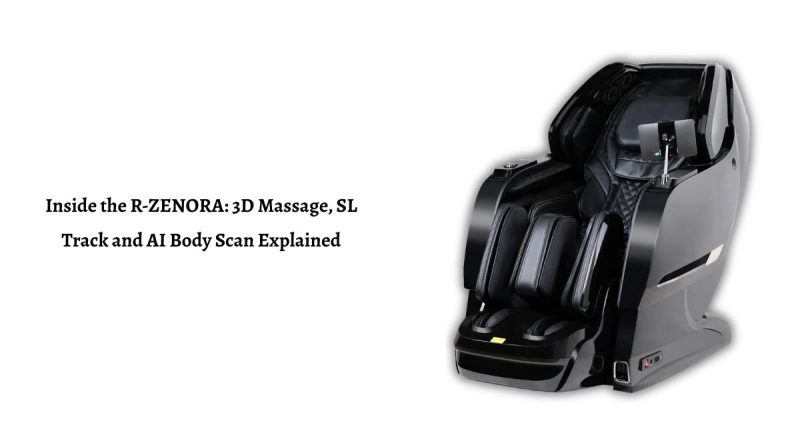
Inside the R-ZENORA: 3D Massage, SL Track and AI Body Scan Explained
After a long day at a desk, in traffic, or on your feet, the body rarely asks for anything complicated. It wants steady pressure in the right places, a supportive position, and a few quiet minutes. Modern home wellness technology has gotten very good at delivering that, and the R-ZENORA is a good example of how far it has come. Below, we break down what makes it tick, from the way its rollers move to the way it figures out your body before it starts.
What Is the R-ZENORA?
The R-ZENORA is a premium massage chair built around three core technologies: a multi-directional roller system, an extended SL-shaped track, and an AI-assisted body scan. Each one solves a specific problem that older, simpler chairs never addressed. Together, they aim to make each session feel more personal and more effective.
3D Massage: Adding Depth to the Experience
Traditional rollers move in two directions: up and down and side to side. They can knead and roll, but they can’t change how firmly they press into your muscles.
3D massage adds a third axis: depth. The rollers can extend outward toward your back or retract away from it, which lets the chair adjust intensity without changing the speed of the movement. In practice, this means:
- Gentler pressure around the spine and sensitive areas, where firm pressure can be uncomfortable
- Deeper pressure across large muscle groups like the shoulders and lower back, where tension tends to build up
- Smoother transitions between techniques such as kneading, tapping, and rolling
This depth control is why 3D rollers feel closer to a therapist’s hands. A real therapist leans in and eases off constantly, and the chair can now imitate that rhythm.
SL Track: Following the Shape of Your Body
The “track” is the rail the rollers travel along. Older chairs used a straight track that ended around the lower back, which left the hips and glutes untouched.
An SL track combines two ideas:
- S-curve: The upper portion follows the natural curve of the human spine, so the rollers stay in contact with your back instead of skipping over the hollow of the lower spine.
- L-curve: The lower portion extends down beneath the seat, reaching the glutes and upper thighs. These are areas that often get tight after long periods of sitting.
The result is coverage from the neck to the hips, with consistent contact along the way. If you sit for most of your day, that extra reach can be one of the most noticeable upgrades.
AI Body Scan: Personalizing Every Session
People are built differently. Shoulder height, spine length, and posture vary, so a fixed roller path will feel perfect for one person and slightly off for another.
The AI body scan addresses this. At the start of a session, the chair measures your body, typically your shoulder position and back length, and then adjusts the roller path accordingly. Instead of guessing where your neck ends and your shoulders begin, it maps those points and places the massage where it should go.
The benefits are practical:
- Better targeting of the neck and shoulder zone
- Less need to manually adjust settings every time
- Consistent results when different family members use the same chair
How a Full Body Massage Chair Works Together
A full body massage chair is more than a back massager. The R-ZENORA’s rollers are only part of the picture. Airbags in the arms, legs, and feet add compression, which many people find helpful for tired limbs. Features like zero-gravity recline, which positions your legs slightly above your heart level, are designed to take pressure off the spine and make the session more restful.
When the scan, the track, and the rollers all work together, the chair can deliver a routine that covers your shoulders, back, hips, and legs in one sitting, without you having to reposition.
Who Is It For?
A chair like this tends to suit:
- Office workers dealing with stiffness from long hours of sitting
- Active people looking for a convenient recovery routine
- Older family members who want gentle, at-home relaxation
- Anyone who wants a consistent wind-down ritual without scheduling appointments
Tips for Getting the Most Out of It
- Start with shorter sessions. 15 to 20 minutes is plenty while you get used to the intensity.
- Sit properly. Back against the backrest, feet resting naturally, so the scan can read your posture accurately.
- Start gentle. You can raise the intensity as your body adapts.
- Use it regularly. Consistent short sessions usually beat occasional long ones.
A quick note: massage chairs are for relaxation and comfort, not medical treatment. If you have a spinal condition, are pregnant, or have other health concerns, check with your doctor first.
Final Thoughts
The R-ZENORA brings together depth-adjustable rollers, a track that follows your body’s shape, and an intelligent scan that tailors each session to you. If you’re comparing options, these three features are the ones worth understanding, because they determine how natural and comfortable the experience will feel over time.