Massage Chairs for Runners and Gym-Goers: Faster Muscle Recovery
You finish a long run or a heavy leg day, and the real work begins afterward. Sore quads, tight calves, and a stiff lower back can make the next session feel harder than it should. Foam rollers, stretching, and sports massage all help, but they take time, effort, or money.
That’s why more athletes are asking whether a massage chair can fit into their recovery routine. Here is how it can help, where its limits are, and what to look for before buying.
Why Recovery Matters as Much as Training
Muscles don’t get stronger during the workout. They adapt afterward, when the tiny tears from effort are repaired and energy stores are rebuilt. Skimp on recovery and you may notice:
- Lingering soreness that doesn’t ease after a day or two
- Declining performance despite consistent training
- Tight muscles that restrict your range of motion
- A higher chance of overuse niggles
Sleep, nutrition, hydration, and rest days are the foundation. Massage is a useful add-on, not a replacement.
What Does Massage Actually Do for Muscles?
Research on massage and exercise recovery is encouraging but modest. Studies generally suggest massage can reduce perceived soreness (delayed onset muscle soreness, or DOMS) and help you feel more relaxed and ready to train again. The effect on measurable performance is less clear.
The likely benefits include:
- Reduced muscle tension. Pressure and kneading can ease tightness that builds up after repetitive movement like running or lifting.
- Better perceived recovery. Feeling less sore often makes it easier to stay consistent.
- Relaxation. Massage can calm the nervous system, which supports better sleep, and sleep is when most recovery happens.
- Improved comfort and mobility. Loosened muscles can feel easier to stretch and move.
A massage chair is not a medical treatment, and it won’t heal an injury. Think of it as a convenient way to get regular, low-effort massage at home.
Why a Massage Chair Suits Athletes
The biggest advantage is consistency. A sports massage therapist is great, but few people can book one after every hard session. A chair at home is available whenever you finish training, and a 15 to 20 minute session while you wind down is easy to build into your day.
A full body massage chair is especially practical for active people because training rarely stresses just one area. Runners load the calves, hamstrings, glutes, and lower back. Lifters strain the shoulders, upper back, and legs. A chair that covers neck to feet lets you address all of it in one sitting.
Features That Matter for Recovery
Not every feature on a spec sheet will help you. These are the ones worth your attention:
- Full-length roller track (SL-track)
An SL-shaped track follows the curve of your spine and extends down to the glutes and upper thighs, which are often tight in runners. A shorter S-track covers mostly the back. - Calf and foot massage
Air compression around the calves and feet is among the most useful features for runners and anyone doing leg-heavy training. Rollers or nodes under the feet are a bonus. - Adjustable intensity and programs
Recovery after a marathon calls for different pressure than a stiff day after sitting at a desk. Look for adjustable strength, speed, and ideally a dedicated recovery or deep tissue program. - Zero gravity positioning
Reclining so your legs sit above heart level takes pressure off your spine and can make longer sessions more comfortable. - Heat therapy
Gentle heat on the lower back is soothing for tight muscles, though it’s a comfort feature rather than a must-have. - Body scanning and customization
Chairs that adapt to your height and shoulder width deliver a more accurate massage, which matters if you’re tall or have a smaller frame.
Massage Chair vs. Massage Chair Recliner: What’s the Difference?
People often use these terms interchangeably, but there’s a useful distinction.
A massage chair recliner usually refers to a chair that looks and functions like a regular recliner with massage built in, often with simpler vibration or basic kneading. It’s a good fit if you want something that blends into a living room and mainly offers comfort with light massage.
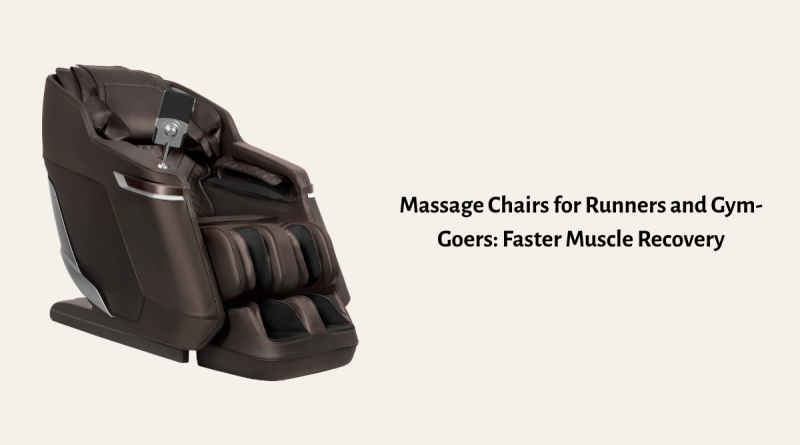
A full massage chair typically has a roller track, air compression, and multiple automatic programs, and it delivers a stronger, more targeted massage. If your goal is serious muscle recovery, the more feature-rich option usually gives better results. If you want occasional relaxation after light workouts, a recliner-style chair may be enough.
Can You Find an Affordable Massage Chair That Works?
Yes, but be realistic about trade-offs. An affordable massage chair can deliver genuine benefits if it covers the essentials. When comparing budget options, prioritize:
- Air compression for legs and feet. This is often more valuable than flashy extras.
- A reasonably long track. Even if it’s not full SL-length, check how far down the back it reaches.
- Adjustable intensity. Fixed, harsh settings are a common weakness in cheaper models.
- Build quality and warranty. Look for clear coverage on the motor, rollers, and electronics.
- Honest reviews. Look for feedback from people with similar body types and training habits.
Skip models that pile on gimmicks like Bluetooth speakers and LED lighting but are thin on massage mechanics. A simpler chair with strong fundamentals will serve you better than a feature-heavy one with weak rollers.
It’s also worth thinking about cost per use. If you’d otherwise pay for regular sports massages, a chair you use several times a week can make financial sense over time.
How to Use a Massage Chair for Recovery
A few habits help you get the most out of it:
- Wait a little after intense exercise. Let your heart rate settle and give yourself a short cool-down first.
- Keep sessions to 15 to 20 minutes. More isn’t better, and over-massaging sore muscles can leave them more tender.
- Start gentle. Begin on a lower intensity, especially if you’re very sore, and increase gradually.
- Use it on rest days too. Regular sessions can help manage the cumulative tightness of a training week.
- Pair it with other recovery habits. Hydrate, stretch, eat enough protein, and sleep well.
Who Should Be Careful
Massage chairs aren’t suitable for everyone. Talk to a doctor or physiotherapist before using one if you:
- Have an acute injury, such as a suspected strain, tear, or fracture
- Have a history of blood clots or circulation problems
- Are pregnant
- Have a spinal condition, osteoporosis, or implanted medical devices
- Experience sharp pain (as opposed to general soreness) during or after sessions
Persistent or worsening pain is a reason to see a professional, not to turn up the intensity.
Frequently Asked Questions
Can a massage chair replace a sports massage?
Not entirely. A therapist can assess your body, find specific problem areas, and adapt technique in real time. A chair is a convenient complement for regular maintenance.
How often should I use a massage chair as a runner or gym-goer?
Many people use one three to five times a week for 15 to 20 minutes, adjusting based on training load and how their body feels.
Will it get rid of muscle soreness completely?
It may help ease soreness and tension, but it won’t eliminate it. Sleep, nutrition, and sensible training progression matter more.
Is a full body massage chair worth it over a cushion or handheld massager?
If you want coverage from neck to feet with minimal effort, a full chair is more comprehensive. Handheld devices are cheaper and portable, but they require you to do the work yourself.
The Bottom Line
A massage chair won’t make you faster overnight, but it can make recovery easier, more consistent, and more comfortable, which helps you keep training. Choose based on how you train: runners should look closely at leg and calf coverage, lifters at back and shoulder reach, and everyone at adjustable intensity and build quality. Combine it with good sleep, nutrition, and rest days, and it can be a worthwhile part of your recovery toolkit.