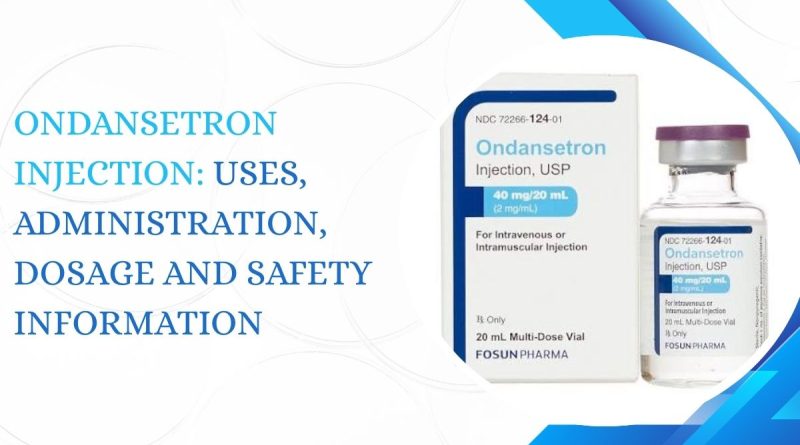
Ondansetron Injection: Uses, Administration, Dosage and Safety Information
Ondansetron is an antiemetic medicine used to help prevent nausea and vomiting in specific clinical situations. It belongs to a group of medicines called serotonin 5-HT3 receptor antagonists. By blocking the action of serotonin involved in triggering nausea and vomiting, it can help control these symptoms. Ondansetron Injection is administered by a healthcare professional, commonly in a hospital or clinic, when injectable treatment is appropriate.
Because the medicine can interact with certain conditions and other medicines, its use should be based on professional medical advice. Understanding its uses, administration, dosage considerations, precautions, side effects, and pharmaceutical quality requirements can help patients and healthcare organizations make informed decisions.
What Is Ondansetron?
Ondansetron works mainly by blocking serotonin 5-HT3 receptors. Serotonin can contribute to signaling pathways that produce nausea and vomiting, particularly during treatments such as cancer chemotherapy and around surgical procedures. By reducing this signaling, the medicine can help prevent or control these symptoms.
The injectable form is supplied as a solution and may be administered intravenously or intramuscularly by a healthcare provider. The appropriate route and dose depend on the clinical situation, patient factors, and product-specific prescribing information.
Common Uses of Ondansetron
One of the established uses of injectable ondansetron is the prevention of nausea and vomiting associated with cancer chemotherapy and surgery. Ondansetron products may also be used for nausea and vomiting associated with radiotherapy, depending on the formulation and applicable prescribing information.
For chemotherapy, the medicine may be administered before treatment, with additional doses used in certain treatment regimens when clinically appropriate. For surgery, it may be given shortly before a procedure or after surgery when nausea and vomiting occur. The timing and dosage should always be determined by a qualified healthcare professional.
It is important to remember that nausea and vomiting can have many different causes. A doctor should determine the underlying cause and decide whether this medicine is appropriate for the individual patient.
How Does Ondansetron Work?
Ondansetron does not treat every underlying cause of nausea. Instead, it acts on serotonin-related signaling involved in the vomiting response. This mechanism makes it useful in situations where nausea and vomiting are associated with certain medical treatments and procedures.
When serotonin activates specific 5-HT3 receptors, signals associated with nausea and vomiting can be transmitted. Blocking these receptors can help reduce this response. The effectiveness and appropriate use depend on the patient’s condition and the reason for treatment.
Administration and Dosage
The dosage of ondansetron is not identical for every patient. It depends on factors such as the reason for treatment, age, medical condition, other medicines, and the particular formulation being used.
Injectable ondansetron is administered by a healthcare provider. According to MedlinePlus, it may be given into a vein or muscle. When used to prevent chemotherapy-related nausea and vomiting, it is commonly administered before chemotherapy. When used in connection with surgery, the timing is different and may involve administration before or after the procedure.
Patients should not attempt to determine, increase, decrease, or change an injectable dose themselves. Healthcare professionals use the relevant prescribing information to determine the appropriate regimen.
Patients should also tell their doctor or pharmacist about all prescription medicines, over-the-counter products, vitamins, and supplements they are taking. This information can help identify potential interactions and determine whether additional monitoring is required.
Precautions Before Treatment
Before receiving treatment, patients should discuss their medical history with their healthcare provider. Special attention may be required in people with long QT syndrome or other heart-rhythm problems, low potassium or magnesium levels, heart failure, or liver disease.
Patients should also disclose any known allergies to ondansetron or related medicines. According to MedlinePlus, ondansetron should not be used with apomorphine, and certain other medicines may require dosage changes or additional monitoring.
Pregnant patients, people planning pregnancy, and those who are breastfeeding should discuss their circumstances with a healthcare professional before treatment. A complete medication history is also important because medicine interactions can influence treatment decisions.
Possible Side Effects
Like other medicines, ondansetron can cause side effects. Commonly reported effects include headache, constipation, drowsiness, chills, weakness, tiredness, and reactions at the injection site.
Some reactions can be more serious. Patients should seek prompt medical attention if they experience symptoms such as rash, hives, swelling of the face or throat, difficulty breathing or swallowing, chest pain, shortness of breath, fainting, or an unusually fast, slow, or irregular heartbeat.
Other serious symptoms can include changes in vision, confusion, agitation, seizures, or abnormal muscle activity. Anyone experiencing severe or unusual symptoms after receiving the medicine should contact a healthcare professional promptly.
Heart Rhythm Considerations
One important safety consideration is the potential effect of ondansetron on the heart’s electrical rhythm. People with certain rhythm conditions or electrolyte abnormalities may require additional assessment before treatment.
Patients should inform their healthcare provider if they have previously experienced abnormal heart rhythms, have a family history of long QT syndrome, or have been told that their potassium or magnesium levels are low.
A healthcare professional can review the patient’s medical history and current medicines to determine whether additional monitoring is appropriate.
Choosing a Reliable Pharmaceutical Manufacturer
For hospitals, distributors, and pharmaceutical procurement teams, selecting an appropriate Ondansetron Injection Manufacturer involves evaluating more than product pricing. Buyers should review manufacturing capabilities, applicable regulatory requirements, quality systems, product specifications, packaging, batch information, and supply consistency.
For injectable medicines, controlled manufacturing and quality assurance are particularly important. Procurement teams may request relevant product documentation, certificates where applicable, product specifications, and information about storage and handling requirements.
When evaluating a Pharmaceutical Manufacturer in India, buyers should consider the manufacturer’s experience with injectable products, manufacturing infrastructure, quality-control procedures, regulatory documentation, product portfolio, packaging capabilities, and ability to maintain a consistent supply.
Quality and Documentation
Quality documentation supports responsible pharmaceutical procurement. Buyers should verify product identity, strength, formulation, batch details, manufacturing information, expiry information, and storage requirements before accepting a pharmaceutical product.
Manufacturing facilities should operate according to applicable quality and regulatory requirements. Appropriate processes help maintain product consistency and reduce risks associated with contamination or improper handling.
Documentation requirements may differ according to the product, market, formulation, and applicable regulations. Pharmaceutical procurement teams should therefore review current requirements and product-specific information rather than relying on generic assumptions.
Storage and Handling
Injectable medicines require appropriate storage and handling throughout the supply chain. The exact storage conditions should be taken from the approved product information for the particular formulation.
Healthcare facilities should protect products from unsuitable environmental conditions and maintain appropriate inventory controls. Packaging should be inspected for damage, leakage, tampering, or labeling concerns before the product is used.
Medicines should only be administered when the product identity, packaging, labeling, and storage history meet the facility’s applicable procedures. Healthcare professionals should follow the manufacturer’s approved information and institutional protocols.
Importance of Product-Specific Information
Not every ondansetron product necessarily has identical characteristics. Different formulations may vary in concentration, packaging, approved uses, and other product-specific details. Therefore, information about one product should not automatically be applied to every injectable formulation.
Healthcare professionals should consult the relevant prescribing information when deciding on administration, dosage, contraindications, warnings, and monitoring. This is especially important for patients with heart-rhythm risks, liver disease, electrolyte abnormalities, or complex medication histories.
Conclusion
Ondansetron Injection can be an important antiemetic option for preventing nausea and vomiting associated with certain cancer treatments and surgical procedures. Its use should be based on the patient’s clinical circumstances, the approved indication, and professional medical judgment.
For pharmaceutical procurement, choosing an Ondansetron Injection Manufacturer requires attention to manufacturing standards, quality systems, product documentation, packaging, regulatory requirements, and reliable supply. Organizations comparing a Pharmaceutical Manufacturer in India should assess relevant manufacturing capabilities and documentation before procurement.
Patients should not self-administer injectable medicines or change dosage without professional guidance. A healthcare provider can determine whether ondansetron is appropriate, select the correct regimen, and monitor for potential adverse effects.
Frequently Asked Questions
1. What is ondansetron injection used for?
It is used to help prevent nausea and vomiting associated with cancer chemotherapy and surgery. Certain ondansetron formulations may have additional approved uses.
2. How is injectable ondansetron administered?
It may be administered intravenously or intramuscularly by a healthcare professional, depending on the formulation and clinical situation.
3. Can ondansetron be used for chemotherapy-related nausea?
Yes. It is used to prevent nausea and vomiting associated with cancer chemotherapy. The timing and dosage depend on the treatment regimen.
4. What are common side effects?
Headache, constipation, drowsiness, chills, weakness, tiredness, and injection-site reactions can occur.
5. Can ondansetron affect heart rhythm?
Yes. Ondansetron can be associated with heart-rhythm concerns in some patients. People with certain heart conditions or electrolyte abnormalities should discuss these risks with their healthcare provider.
6. Can ondansetron interact with other medicines?
Yes. Some medicines can interact with ondansetron or require additional monitoring. Patients should provide their doctor or pharmacist with a complete list of medicines and supplements they use.