How Serious Is a Slip Disc? Medical Facts You Should Know
Back pain is something most of us brush off as a bad day at work or poor posture. But when the pain becomes persistent, shoots down the arms or legs, or starts affecting daily life, it could be more than just muscle strain. One common yet often misunderstood cause is a slip disc, medically known as a herniated or prolapsed disc. Understanding how serious a slip disc can be is the first step toward timely care and long-term relief.
What Exactly Is a Slip Disc?
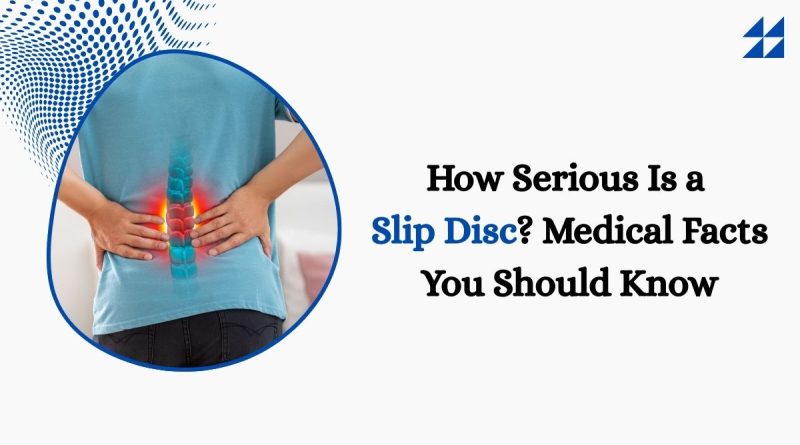
Your spine is made up of small bones called vertebrae, with soft, cushion-like discs in between. These discs act as shock absorbers. A slip disc occurs when the soft inner portion of a disc pushes out through a crack in the tougher outer layer. This bulge can press on nearby nerves, leading to pain, numbness, or weakness.
Slip discs most commonly affect the lower back (lumbar spine) and neck (cervical spine), but they can occur anywhere along the spine.
How Serious Can a Slip Disc Be?
The seriousness of a slip disc varies from person to person. Some people experience mild discomfort that improves with rest and care, while others may suffer intense pain that interferes with walking, sleeping, or working.
In mild cases, symptoms may include:
- Localized back or neck pain
- Stiffness and reduced flexibility
- Tingling or numbness in arms or legs
More serious cases can lead to:
- Severe radiating pain (sciatica)
- Muscle weakness
- Difficulty standing or walking
- Loss of bladder or bowel control (a medical emergency)
This wide range of symptoms is why early evaluation and Slip disc treatment in Jaipur or any other city should never be delayed when pain persists or worsens.
What Causes a Slip Disc?
Several factors can increase the risk of developing a slip disc:
- Aging and natural disc degeneration
- Poor posture and prolonged sitting
- Heavy lifting with improper technique
- Sudden injury or trauma
- Obesity, which adds stress to the spine
Lifestyle habits play a big role, and small daily choices often add up over time.
Diagnosis: Knowing What You’re Dealing With
A proper diagnosis is crucial. Doctors usually begin with a physical examination to assess nerve function, strength, and reflexes. Imaging tests like MRI or CT scans help confirm the location and severity of the disc problem.
Consulting a spine expert or the Best neurosurgeon in Jaipur can make a significant difference in accurate diagnosis and personalized care planning.
Treatment Options: From Conservative Care to Surgery
The good news is that most slip disc cases do not require surgery. Treatment often starts with conservative methods such as:
- Rest and activity modification
- Pain-relieving and anti-inflammatory medications
- Physiotherapy and guided exercises
- Lifestyle and posture correction
Many patients see improvement within weeks through structured Slip disc treatment in Jaipur, especially when therapy is started early.
However, surgery may be considered if:
- Pain does not improve after several weeks of treatment
- There is progressive nerve damage or muscle weakness
- Daily activities become impossible due to pain
In such cases, consulting the Best neurosurgeon in Jaipur helps determine whether surgical intervention is necessary and which technique would be safest and most effective.
When Is Surgery the Right Choice?
Surgery is usually the last option, but for some patients, it can be life-changing. Modern surgical techniques are minimally invasive, allowing faster recovery and reduced risk. Choosing the Best Slip Disc Surgery In Jaipur ensures access to advanced technology, experienced surgeons, and comprehensive post-surgical care.
It’s important to remember that surgery aims to relieve nerve pressure, not just reduce pain. When recommended appropriately, outcomes are generally very positive.
Living With and Preventing a Slip Disc
Recovery doesn’t end with treatment. Long-term spine health depends on:
- Maintaining a healthy weight
- Regular exercise to strengthen core muscles
- Correct sitting and lifting posture
- Taking breaks from prolonged sitting
Following medical advice and continuing rehabilitation reduces the chances of recurrence and supports overall mobility.
Final Thoughts
So, how serious is a slip disc? The answer depends on its severity, symptoms, and how early it’s treated. While some cases heal with rest and care, others need expert intervention. Ignoring the warning signs can turn a manageable condition into a chronic problem.
If you’re experiencing persistent back or neck pain, seeking timely Slip disc treatment in Jaipur can prevent complications and restore quality of life. With the right medical guidance, most people recover well and return to their normal routines—stronger, wiser, and more aware of their spine health.
Source: https://drneurosurgeonsandeep.tumblr.com/post/806431796841578496/slip-disc-medical-fact-know