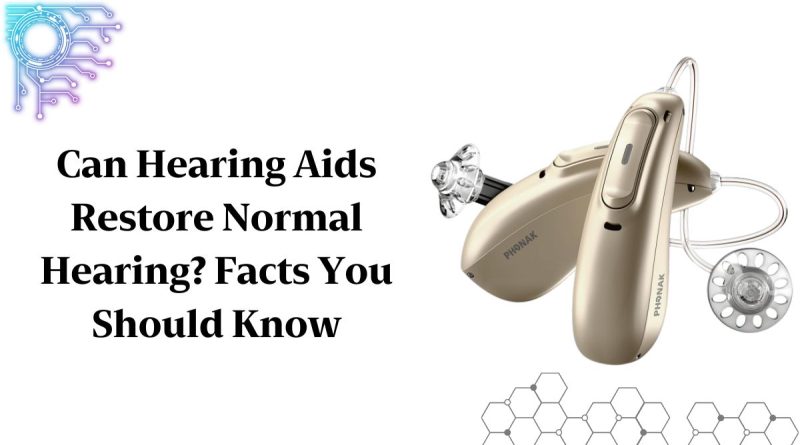
Can Hearing Aids Restore Normal Hearing? Facts You Should Know
Hearing loss is one of the most common health concerns affecting people of all ages. Many individuals who experience difficulty hearing conversations, television, or phone calls often wonder: Can hearing aids restore normal hearing? The short answer is no, hearing aids do not completely restore natural hearing, but they can significantly improve hearing ability, communication, and quality of life.
Modern hearing aids have become highly advanced, offering better sound clarity, noise reduction, and speech enhancement than ever before. Whether you are considering digital hearing aids in Jaipur for yourself or a loved one, understanding what hearing aids can and cannot do is essential for setting realistic expectations.
In this article, we will explore the facts about hearing aid effectiveness, benefits, limitations, and how they help in managing hearing loss.
What Are Hearing Aids?
Hearing aids are small electronic devices designed to amplify sounds and make them easier to hear. They consist of three primary components:
- Microphone
- Amplifier
- Speaker (Receiver)
Modern digital hearing aids process sounds digitally, helping users hear speech more clearly while minimizing unwanted background noise.
These devices are customized according to the type and severity of hearing loss, ensuring better hearing improvement and comfort.
Can Hearing Aids Restore Normal Hearing?
The most important fact to understand is:
Hearing aids do not cure hearing loss or restore hearing to its original natural state.
Instead, hearing aids:
- Amplify sounds that are difficult to hear
- Improve speech understanding
- Help users participate in conversations
- Enhance awareness of surrounding sounds
- Improve communication and confidence
Think of hearing aids like eyeglasses. Glasses improve vision but do not cure the underlying eye condition. Similarly, hearing aids help compensate for hearing loss rather than reversing it.
Can hearing aids restore normal hearing?
No. However, they can significantly improve hearing performance and help many individuals experience near-normal hearing in everyday situations.
How Do Hearing Aids Improve Hearing?
Modern hearing aids use advanced technology to process sounds in real time.
Sound Detection
The microphone picks up sounds from the environment.
Digital Processing
The hearing aid analyzes and adjusts sound frequencies according to the user’s hearing profile.
Amplification
Specific sounds and speech frequencies are amplified.
Sound Delivery
The processed sound is delivered into the ear, making conversations easier to understand.
This process improves hearing aid effectiveness and helps users hear sounds that may otherwise be missed.
Types of Hearing Loss Hearing Aids Can Help
Hearing aids are most effective for:
Sensorineural Hearing Loss
This is the most common type of hearing loss caused by damage to the inner ear or auditory nerve.
Common causes include:
- Aging
- Noise exposure
- Genetic factors
- Certain medications
Conductive Hearing Loss
Occurs when sound cannot travel efficiently through the outer or middle ear.
Mixed Hearing Loss
A combination of sensorineural and conductive hearing loss.
A hearing specialist can determine whether hearing aids are suitable based on a comprehensive hearing evaluation.
Benefits of Hearing Aids
Improved Speech Understanding
One of the biggest hearing aid benefits is clearer speech perception.
Users often report:
- Better conversations with family and friends
- Easier communication in meetings
- Improved phone call clarity
Better Social Interaction
Untreated hearing loss often leads to social withdrawal.
Hearing aids help users:
- Participate in gatherings
- Enjoy conversations
- Stay connected with loved ones
Increased Confidence
Improved hearing often results in greater confidence in personal and professional settings.
Enhanced Safety
Hearing aids improve awareness of important sounds such as:
- Traffic
- Doorbells
- Alarms
- Emergency signals
Better Quality of Life
Studies consistently show that hearing aid users experience improved emotional well-being and overall life satisfaction.
Why Hearing Aids Cannot Fully Restore Natural Hearing
Many people expect hearing aids to function like a complete hearing replacement.
However, natural hearing involves a complex interaction between:
- The ear
- Auditory nerve
- Brain
When hearing loss occurs, some auditory structures may be permanently damaged.
Even the most advanced digital hearing aids cannot completely replicate the way a healthy ear naturally processes sounds.
Challenges That May Remain
Users may still experience difficulty with:
- Noisy environments
- Multiple simultaneous conversations
- Very soft speech
- Complex listening situations
However, modern hearing technology continues to improve these challenges significantly.
What Factors Affect Hearing Aid Performance?
Several factors influence hearing aid results.
Severity of Hearing Loss
Individuals with mild-to-moderate hearing loss often experience greater improvement than those with profound hearing loss.
Hearing Aid Technology
Advanced digital devices generally provide:
- Better noise reduction
- Speech enhancement
- Bluetooth connectivity
- Personalized sound settings
Proper Fitting
A professionally fitted hearing aid performs much better than a generic device.
Consistent Use
Users who wear their hearing aids regularly adapt more quickly and achieve better results.
Brain Adaptation
The brain needs time to adjust to amplified sounds.
Most users notice significant improvement after several weeks of consistent use.
Are Digital Hearing Aids Better?
Yes. Modern digital hearing aids in Jaipur offer substantial advantages over older analog models.
Benefits of Digital Hearing Aids
- Improved speech clarity
- Noise filtering technology
- Automatic environment adjustments
- Feedback suppression
- Smartphone connectivity
- Rechargeable options
These features contribute to better hearing improvement with hearing aids and greater user satisfaction.
Common Myths About Hearing Aids
Myth 1: Hearing Aids Cure Hearing Loss
Fact: They help manage hearing loss but do not cure it.
Myth 2: Hearing Aids Work Instantly
Fact: Most users need time to adapt to new sounds.
Myth 3: Only Older Adults Need Hearing Aids
Fact: Hearing loss can affect individuals of all ages.
Myth 4: Hearing Aids Make Everything Loud
Fact: Modern hearing aids selectively amplify sounds and prioritize speech.
Signs You May Need Hearing Aids
Consider a hearing evaluation if you:
- Frequently ask people to repeat themselves
- Increase TV volume excessively
- Struggle in group conversations
- Misunderstand words regularly
- Experience ringing in the ears (tinnitus)
- Avoid social situations because of hearing difficulties
Early intervention often leads to better hearing aid performance and improved long-term outcomes.
How to Choose the Right Hearing Aids
When selecting hearing aids, consider:
Hearing Needs
The type and severity of hearing loss determine the most suitable device.
Lifestyle
Active individuals may benefit from advanced features such as:
- Bluetooth streaming
- Rechargeable batteries
- Automatic noise management
Comfort and Fit
A properly fitted hearing aid ensures better performance and daily comfort.
Professional Guidance
Consulting an experienced hearing care professional ensures accurate diagnosis and device selection.
Frequently Asked Questions
Can hearing aids restore normal hearing completely?
No. Hearing aids improve hearing ability and communication but do not fully restore natural hearing.
How effective are hearing aids?
Hearing aid effectiveness depends on the severity of hearing loss, device quality, and consistent usage. Most users experience significant hearing improvement.
How long does it take to adjust to hearing aids?
Most individuals adapt within a few weeks, though complete adjustment may take several months.
Are digital hearing aids worth it?
Yes. Digital hearing aids offer superior sound quality, speech clarity, and advanced features compared to traditional models.
Can hearing aids prevent further hearing loss?
Hearing aids do not stop hearing loss progression, but they help manage hearing difficulties and maintain communication abilities.
Conclusion
So, can hearing aids restore normal hearing? The reality is that hearing aids do not cure hearing loss or return hearing to its original state. However, they are highly effective hearing correction devices that significantly improve communication, speech understanding, and overall quality of life.
Modern hearing aids and advanced digital hearing aids are designed to provide personalized hearing solutions that help individuals stay connected, confident, and engaged in daily activities. With proper fitting, regular use, and professional guidance, hearing aids can make a remarkable difference in managing hearing loss and enhancing everyday experiences.
If you are experiencing hearing difficulties, seeking an early hearing assessment can be the first step toward better hearing and a better quality of life.