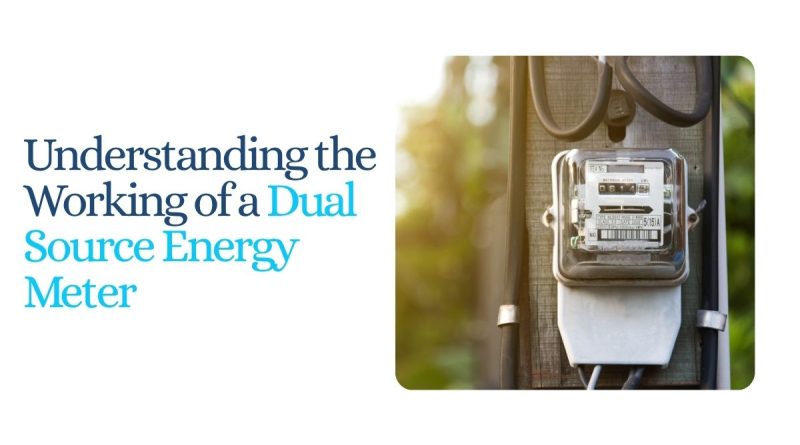
Understanding the Working of a Dual Source Energy Meter
Accurate energy measurement is essential for managing electricity consumption, monitoring electrical systems, and improving operational efficiency. In many commercial and industrial installations, power may be supplied through more than one source, such as a utility connection and a backup generator. In such situations, monitoring energy from different sources can provide valuable information about power usage and system performance.
A Dual Source Energy Meter is designed for applications where energy measurement involves two power sources. Depending on its configuration, it can help monitor electrical parameters and energy consumption associated with the connected supplies. These meters are useful in facilities where reliable energy monitoring is important for operational planning and energy management.
Understanding how a dual-source energy meter works can help businesses select suitable equipment and use it effectively.
What Is a Dual Source Energy Meter?
A Dual Source Energy Meter is an electrical measuring device designed to monitor energy in an electrical system with two power sources. The sources may vary depending on the application and can include utility power, generator supply, inverter systems, or other electrical sources.
The meter measures electrical parameters such as voltage and current and uses these measurements to calculate energy consumption. Depending on the model, it may also provide information about power, frequency, power factor, and other electrical characteristics.
The exact functions and connection methods vary between products. Therefore, users should select a meter according to their electrical configuration and measurement requirements.
How Does a Dual Source Energy Meter Work?
The working principle of a dual-source energy meter is based on measuring voltage and current from the electrical sources connected to the system.
Voltage signals are supplied to the meter through appropriate connections, while current is measured either directly or through suitable current-measuring devices such as current transformers. The meter processes these electrical signals and calculates the relevant power and energy values.
In a dual-source arrangement, the metering system is configured to distinguish or monitor the two supplies according to the meter’s design. This enables users to obtain better visibility of energy consumption associated with different power sources.
For example, a manufacturing facility may normally receive electricity from the utility supply and switch to a generator when utility power is unavailable. A suitable dual-source metering arrangement can help monitor the energy associated with these supplies.
Role of Current Measurement
Current measurement is an important part of energy metering. In electrical systems carrying higher currents, a Current Transformer and Energy Meter Manufacturer may provide metering solutions that use current transformers to safely measure current levels.
A current transformer, commonly called a CT, reduces a high current to a lower proportional value that can be measured by the meter. This allows energy meters to monitor electrical systems where direct current measurement may not be suitable.
The correct CT ratio is important because the meter uses the measured current to calculate electrical parameters and energy consumption. CT selection should therefore match the electrical installation and the requirements of the energy meter.
Key Parameters Measured
Depending on the specific model, a dual-source energy meter may measure or display several electrical parameters, including:
- Voltage
- Current
- Active power
- Reactive power
- Apparent power
- Power factor
- Frequency
- Active energy
- Reactive energy
The available parameters depend on the meter’s specifications. Before purchasing, users should identify which measurements are required for their application.
Why Is Dual-Source Energy Monitoring Important?
When an electrical facility uses two power sources, monitoring overall consumption alone may not provide sufficient information. Users may need to understand how much energy is being supplied through each source.
A dual-source metering arrangement can provide better visibility into power consumption and help organizations analyze their electrical usage. This information can be useful for energy planning, operational monitoring, and identifying opportunities for improved efficiency.
It can also help facilities understand their dependence on backup power and evaluate how much energy is consumed during backup operation.
Benefits of a Dual Source Energy Meter
1. Monitoring Multiple Power Sources
A major advantage is the ability to monitor energy associated with two sources within a suitable electrical configuration. This makes the system useful for facilities that have primary and backup supplies.
2. Better Energy Management
Reliable energy data can help businesses understand consumption patterns. By analyzing this information, organizations can identify inefficient usage and make better decisions regarding energy management.
3. Improved Backup Power Monitoring
Facilities using generators or alternative power supplies can monitor their energy consumption during backup operation. This can provide useful information for operational planning.
4. Monitoring Electrical Parameters
Depending on the model, users can monitor several electrical parameters in addition to energy consumption. This can improve visibility into the performance of the electrical system.
5. Support for Energy Analysis
Energy readings can be analyzed over different periods to understand consumption trends. This can help organizations evaluate energy-saving initiatives and manage electrical loads more effectively.
Applications of Dual Source Energy Meters
Dual-source energy meters can be used in electrical systems where monitoring two supplies is required. Typical applications may include:
- Manufacturing plants
- Industrial facilities
- Commercial buildings
- Hospitals
- Data centers
- Offices
- Infrastructure projects
- Large residential complexes
- Facilities with generator backup
- Energy-management systems
The right meter depends on the voltage, current, phase configuration, accuracy requirements, and monitoring objectives of the installation.
Choosing a Dual Source Energy Meter Manufacturer
Selecting a reliable Dual Source Energy Meter Manufacturer is an important part of developing an effective energy-monitoring system. Manufacturers may offer meters with different accuracy classes, communication capabilities, electrical ratings, displays, and measurement functions.
Before selecting a manufacturer or product, businesses should evaluate the technical specifications carefully. The meter should be suitable for the electrical system and capable of measuring the required parameters.
Product documentation, technical support, installation guidance, and after-sales service can also be important considerations for industrial applications.
Factors to Consider Before Selecting a Meter
Electrical Ratings
Check the required voltage, current, frequency, number of phases, and connection configuration. The selected meter should be compatible with the electrical system.
Accuracy
Measurement accuracy is particularly important when energy readings are used for billing, monitoring, analysis, or operational decisions. Select an accuracy level appropriate for the intended application.
CT Compatibility
If current transformers are being used, verify that the meter is compatible with the required CT ratio and input specifications.
Communication Features
Some modern meters can communicate with energy-management or monitoring systems. If remote monitoring is required, check the available communication interfaces and protocols.
Display and Data Features
Consider whether the application requires basic energy readings or detailed information about multiple electrical parameters. A clear display can simplify local monitoring.
Installation Requirements
Installation should be planned according to the meter’s wiring arrangement and the electrical system. Qualified electrical professionals should handle electrical installation to ensure safety and proper operation.
Difference Between Single-Source and Dual-Source Energy Meters
A conventional single-source energy meter is generally designed to monitor one electrical supply arrangement. A dual-source energy meter is intended for systems where two power sources need to be monitored.
The key difference is the source configuration and the way the meter handles measurements associated with those supplies. However, the exact functionality varies between models.
Businesses should choose a meter based on their actual electrical requirements rather than selecting a product only because it offers additional features.
Importance of Accurate Energy Measurement
Accurate energy measurement provides a reliable foundation for energy management. Incorrect measurements can result in misleading consumption data and may affect operational decisions.
Proper installation, suitable CT selection, appropriate wiring, and regular maintenance can help support reliable measurement performance. Where required, energy meters should also be tested or calibrated according to applicable procedures.
Environmental conditions and electrical disturbances can also affect measurement performance, so installation conditions should be considered carefully.
How Energy Meters Support Energy Efficiency
Energy efficiency begins with understanding how electricity is being consumed. Without dependable measurement data, it can be difficult to identify unnecessary consumption or determine whether energy-saving measures are working.
A Dual Source Energy Meter can help organizations monitor energy associated with different supplies. The resulting information can be used to compare consumption patterns, understand backup power usage, and support better energy-management decisions.
For industrial and commercial facilities, consistent monitoring can also help identify unusual changes in energy consumption and encourage more informed operational planning.
Conclusion
A Dual Source Energy Meter provides a practical way to monitor electrical energy in systems that use two power sources. By measuring voltage, current, energy, and other electrical parameters, these meters can provide valuable information for energy management and electrical-system monitoring.
Current transformers can play an important role in applications involving higher electrical currents, making proper CT selection and meter compatibility essential. Businesses should also consider accuracy, electrical ratings, communication capabilities, installation requirements, and available technical support when choosing equipment.
Working with an experienced Dual Source Energy Meter Manufacturer or a reliable Current Transformer and Energy Meter Manufacturer can help organizations select metering solutions that match their specific electrical requirements. With appropriate selection, installation, and maintenance, dual-source energy measurement can support more effective monitoring and better management of electrical consumption.
Frequently Asked Questions
- What is a Dual Source Energy Meter?
A Dual Source Energy Meter is designed to monitor electrical energy associated with two power sources within an electrical system. - How does a Dual Source Energy Meter work?
It measures electrical parameters such as voltage and current from the connected sources and processes this information to determine energy consumption. - Where are Dual Source Energy Meters commonly used?
They can be used in industrial facilities, commercial buildings, data centers, hospitals, manufacturing plants, and facilities with backup power systems. - What are the benefits of using a Dual Source Energy Meter?
It provides better visibility of energy consumption, supports energy management, and helps monitor electricity supplied from different power sources. - Can a Dual Source Energy Meter monitor backup power?
Yes, depending on its configuration, it can help monitor energy usage associated with a backup source such as a generator or another power supply. - What should be considered when selecting a Dual Source Energy Meter?
Important factors include voltage and current ratings, accuracy, phase configuration, communication features, display options, and installation requirements.

