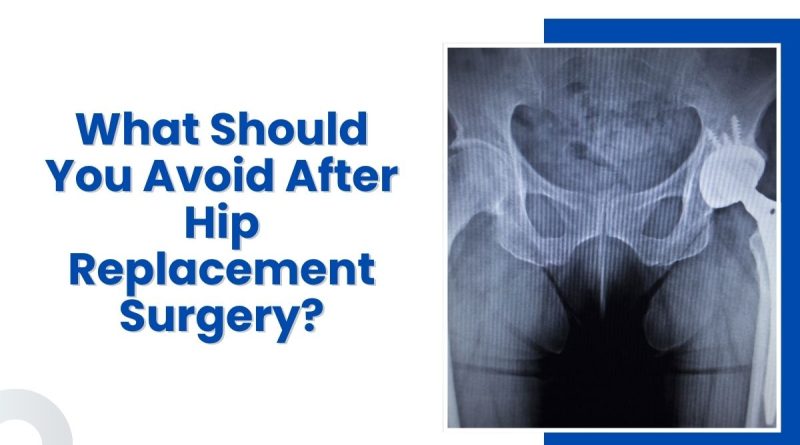
What Should You Avoid After Hip Replacement Surgery?
Hip replacement surgery can be a life-changing step toward reducing chronic hip pain, improving mobility, and returning to everyday activities. However, successful surgery is only one part of the recovery journey. What you do during the days and weeks after the procedure plays an important role in healing, regaining strength, and preventing complications.
Following the right hip replacement recovery guidelines can help you move safely, protect your new joint, and gradually return to your normal routine. From avoiding certain sitting positions to following physical therapy instructions, small precautions can make a meaningful difference in your recovery.
If you are planning surgery or recovering from it, understanding the restrictions after total hip replacement can help you feel more confident throughout the healing process. Here is what you should avoid after hip replacement surgery and why these precautions matter.
Why Is It Important to Follow Precautions After Hip Replacement Surgery?
During hip replacement surgery, damaged portions of the hip joint are replaced with artificial components designed to improve movement and reduce pain. Although these components are built for everyday function, the surrounding muscles, ligaments, and soft tissues need time to heal and support the new joint.
Ignoring post-operative care instructions may increase the risk of hip dislocation, falls, wound complications, and delayed recovery. Your surgeon may recommend specific movement restrictions depending on the surgical approach, implant stability, and individual health factors.
Proper post-operative care after hip replacement helps you:
- Reduce the risk of joint dislocation and other complications.
- Improve balance, flexibility, and muscle strength.
- Support the hip replacement healing process.
- Regain independence in daily activities.
- Return to walking and other suitable activities safely.
1. Avoid Bending Your Hip Too Far
One of the most important hip joint replacement precautions is avoiding excessive hip bending during the initial recovery period, especially when your surgeon has prescribed this restriction.
Depending on your surgical approach, you may be advised not to bend your hip beyond 90 degrees. This means avoiding movements that bring your knees too close to your chest.
What should you avoid?
- Bending forward to pick up objects from the floor.
- Leaning too far forward while sitting.
- Pulling your knees toward your chest.
- Bending deeply while putting on shoes or socks.
What should you do instead?
Use a long-handled shoehorn, a dressing aid, or a reacher to pick up lightweight objects. Choose a chair with a suitable seat height and follow your physiotherapist’s instructions for dressing and sitting.
Remember that the 90-degree restriction is not universal. Your surgeon will determine which movements are appropriate for your specific procedure.
2. Avoid Crossing Your Legs or Twisting Suddenly
Certain leg positions can place unnecessary stress on the healing hip joint. Depending on the surgical approach, crossing your legs or rotating your hip too far may increase the risk of dislocation.
Avoid these movements when restricted by your care team:
- Crossing one leg over the other while sitting.
- Crossing your ankles when lying down.
- Twisting your body while keeping your operated foot planted.
- Pivoting suddenly when changing direction.
Instead, take small steps to turn your entire body. Keep your legs in a comfortable, stable position and use any prescribed pillow or positioning aid as directed.
These safe movements after hip replacement surgery can help you maintain balance while protecting the joint during early recovery.
3. Do Not Ignore Your Walking Aid
Walking may begin shortly after surgery under professional supervision. However, feeling better does not necessarily mean you are ready to walk without support.
Stopping your walker or crutches too early can increase the risk of falls, especially when your muscles are still weak or your balance has not fully recovered.
Follow these post-surgical mobility precautions:
- Use your walker, crutches, or cane as recommended.
- Avoid walking on slippery or uneven surfaces during early recovery.
- Take extra care when turning or stepping over obstacles.
- Wear comfortable, supportive footwear.
- Do not increase your walking distance too quickly.
Your physiotherapist will help you progress from assisted walking to independent movement when it is safe. The goal is not simply to walk without support but to walk confidently and with proper balance.
4. Avoid Sitting on Low Chairs or Sofas
Low seating can force your hip into an uncomfortable or restricted position. Deep, soft sofas may also make standing up more difficult and increase the risk of losing balance.
During the early stages of recovery, consider avoiding:
- Low sofas and beanbags.
- Deep lounge chairs.
- Very low toilet seats without appropriate support.
- Chairs that are difficult to get out of safely.
Choose a firm, stable chair with armrests and a suitable seat height. A raised toilet seat or other assistive equipment may be useful if recommended by your healthcare team.
Before sitting down, move backward until you feel the chair behind your legs, reach for the armrests, and lower yourself slowly. Follow the sitting technique taught by your physiotherapist.
5. Do Not Skip Physical Therapy or Prescribed Exercises
Physical therapy after hip replacement is essential for rebuilding strength, improving joint movement, and restoring balance. Avoiding movement altogether can contribute to stiffness, muscle weakness, and reduced mobility.
At the same time, doing too much too soon may cause pain, swelling, or unnecessary strain.
For effective hip replacement rehabilitation:
- Perform prescribed exercises regularly.
- Follow your physiotherapist’s instructions on repetitions and intensity.
- Increase activity gradually rather than suddenly.
- Rest when advised and avoid pushing through sharp or worsening pain.
- Do not introduce heavy exercises without medical approval.
Your rehabilitation plan may include ankle pumps, gentle muscle contractions, supported standing, and progressive walking exercises. The exact programme depends on your recovery, overall health, and surgical instructions.
Consistency matters more than rushing. A gradual, supervised approach helps you build strength while allowing the tissues around the new joint to recover.
6. Avoid Driving Until Your Surgeon Approves
Driving requires quick reactions, adequate leg control, and the ability to respond safely in an emergency. Pain, reduced mobility, and medications that cause drowsiness can make driving unsafe after surgery.
Do not drive until your surgeon confirms that you have recovered sufficiently and can control the vehicle safely. The timing varies depending on which hip was operated on, whether you drive an automatic or manual vehicle, your medication, and your progress.
Until then, arrange transportation for follow-up appointments, physiotherapy sessions, and essential errands.
7. Do Not Lift Heavy Objects or Rush Back to Strenuous Activities
The hip replacement healing process takes time. Although pain may improve considerably after surgery, the muscles and other soft tissues still need to regain strength and coordination.
Avoid heavy lifting, strenuous household chores, sudden jumping, and high-impact exercise until your surgeon clears you.
Activities such as carrying heavy shopping bags, moving furniture, or repeatedly climbing stairs may place unnecessary stress on the recovering joint.
Instead, divide household tasks into smaller steps, ask for help when needed, and gradually resume your usual routine according to your rehabilitation plan.
Low-impact activities, such as walking and stationary cycling, may be introduced when appropriate. Always confirm the timing and intensity with your healthcare team.
8. Never Neglect Wound Care or Warning Signs
Good wound care is an essential part of post-operative care after hip replacement. Keep the surgical area clean and follow the dressing and bathing instructions provided by your hospital.
Avoid soaking the wound in a bathtub or swimming pool until it has healed and your care team confirms it is safe. Do not apply creams, powders, or home remedies to the incision unless recommended.
Contact your healthcare provider if you notice increasing redness, drainage, wound opening, fever, or worsening pain.
Seek urgent medical attention for sudden breathlessness, chest pain, fainting, or significant symptoms suggesting a blood clot. Sudden severe hip pain, a visibly abnormal leg position, or an inability to bear weight may indicate a serious joint problem and requires immediate assessment.
Early medical evaluation can help prevent complications from becoming more serious.
9. Avoid Ignoring Your Diet, Hydration, and Medication Schedule
Recovery involves more than protecting the operated hip. Your body also needs adequate nutrition, hydration, and appropriate medication management to support healing.
Include protein-rich foods, vegetables, fruits, and other nutrient-dense foods in your meals. Drink sufficient fluids unless your doctor has advised fluid restriction.
Follow your prescribed medication schedule, including any blood-thinning medication intended to reduce the risk of blood clots. Do not stop, change, or double a dose without medical guidance.
If constipation, nausea, or other medication-related side effects occur, discuss them with your healthcare provider rather than changing your treatment independently.
What Is the Recovery Timeline After Hip Replacement Surgery?
Recovery varies from person to person. Age, general health, muscle strength, surgical technique, and rehabilitation all influence how quickly you regain independence.
Recovery after hip replacement surgery varies from person to person, depending on age, general health, muscle strength, surgical technique, and rehabilitation. During the first few days, patients typically focus on assisted walking, pain management, wound care, and initial exercises. Over the first 2–6 weeks, mobility gradually improves, walking becomes easier, and patients may regain greater independence in daily activities. Around 6–12 weeks, many patients experience significant functional improvement, although some may still require support or follow specific movement restrictions. After three months, continued strengthening and improved endurance can help patients return to more everyday activities, while complete recovery may take longer. These timelines are general estimates, and your surgeon and physiotherapist will guide you on when it is safe to resume specific activities based on your individual recovery progress.
These timeframes are general estimates, not fixed milestones. Your surgeon and physiotherapist will determine when you can safely resume specific activities.
How Can You Reduce the Risk of Hip Dislocation After Surgery?
Preventing hip dislocation after surgery requires a combination of safe movement, rehabilitation, and environmental adjustments.
Follow these practical measures:
- Observe the movement restrictions prescribed for your surgical approach.
- Use walking aids until you are advised to stop.
- Keep frequently used items within easy reach.
- Remove loose rugs, electrical cables, and other trip hazards.
- Use supportive seating and appropriate bathroom aids.
- Attend follow-up appointments and report unusual symptoms promptly.
Ask your surgeon which positions are safe for you. Some patients have fewer movement restrictions because of their surgical technique and implant stability, so advice should always be individualised.
When Should You Consult a Hip Replacement Surgeon?
Choosing an experienced orthopaedic team is important not only for surgery but also for rehabilitation and follow-up care.
Consider consulting a hip replacement surgeon in Jaipur if persistent hip pain, stiffness, or reduced mobility is affecting your daily activities. A specialist can assess your condition, explain whether surgery is appropriate, and discuss expected outcomes, risks, and recovery requirements.
When comparing a hip replacement hospital in Jaipur, look for access to qualified orthopaedic surgeons, appropriate surgical facilities, physiotherapy services, infection-prevention protocols, and structured post-operative follow-up.
Patients considering a total hip replacement should also review the experience and qualifications of a total hip replacement surgeon in Jaipur and the rehabilitation support available at a total hip replacement hospital in Jaipur.
Rather than relying on labels such as the best orthopaedic surgeon in Jaipur or the best orthopaedic hospital in Jaipur, evaluate professional credentials, relevant surgical experience, communication, safety standards, and the quality of aftercare.
Conclusion
Hip replacement surgery can help you return to a more active and comfortable life, but safe recovery requires patience and consistent care. Avoiding unsafe movements, using walking aids correctly, following physical therapy, protecting your surgical wound, and recognising warning signs can support healing and reduce preventable risks.
Whether you are preparing for surgery or already recovering, follow the guidance of your orthopaedic surgeon and rehabilitation team. With an individualised recovery plan and the right precautions, you can gradually rebuild confidence, improve mobility, and work toward returning to your everyday activities safely.
Frequently Asked Questions
1. What is the most important thing to avoid after hip replacement surgery?
Avoid movements that your surgeon has restricted, such as excessive bending, crossing your legs, or twisting suddenly. Follow your individual rehabilitation instructions to reduce the risk of dislocation and other complications.
2. How long do hip replacement precautions last?
Some precautions apply mainly during the first several weeks, while others depend on your surgical approach, joint stability, and recovery progress. Your surgeon will tell you when restrictions can be relaxed.
3. Can I climb stairs after hip replacement surgery?
Many patients can begin climbing stairs with assistance soon after surgery, provided their healthcare team considers it safe. Use the recommended technique and handrail, and avoid climbing independently until you have been trained.
4. When can I sleep on my side after hip replacement surgery?
The timing depends on your comfort, incision healing, and the surgeon’s instructions. You may be advised to sleep on your back initially or use a pillow between your legs when lying on your side.
5. How can I recover faster after hip replacement surgery?
Follow your prescribed exercises, walk as advised, eat a balanced diet, take medications correctly, protect the surgical wound, and attend follow-up appointments. Avoid rushing your recovery or comparing your progress with someone else’s.