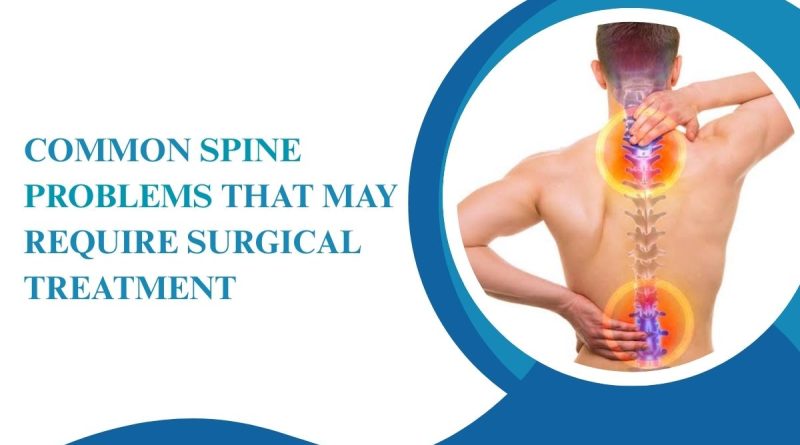
Common Spine Problems That May Require Surgical Treatment
Spinal health is essential for everyday movement, posture, balance, and overall quality of life. The spine supports the body, protects the spinal cord, and allows people to bend, twist, stand, and walk comfortably. However, injuries, age-related changes, disc problems, and certain medical conditions can affect the spine and cause persistent pain or restricted movement.
Many spinal conditions improve with non-surgical treatments, including medication, physiotherapy, activity modification, and other doctor-recommended approaches. In some cases, however, symptoms may continue despite appropriate treatment, or nerve compression and spinal instability may require surgical evaluation. Consulting a qualified specialist at a spine surgery surgeon in Jaipur can help patients understand their diagnosis and explore suitable treatment options.
Understanding When Spine Surgery May Be Necessary
Spine surgery may be considered when a spinal condition significantly affects daily activities, causes persistent symptoms, or places nerves or the spinal cord at risk. The appropriate treatment depends on the underlying diagnosis, the severity of symptoms, imaging findings, general health, and response to previous treatment.
Doctors generally recommend trying suitable non-surgical options when it is safe to do so. Surgery may be discussed when these approaches do not provide adequate relief or when a condition requires timely intervention.
Symptoms that deserve medical assessment include ongoing back or neck pain, pain travelling into the arms or legs, numbness, tingling, weakness, and difficulty walking. Sudden loss of bladder or bowel control, numbness around the groin or saddle area, or rapidly progressing weakness can indicate a medical emergency and require immediate assessment.
1. Herniated or Slipped Disc
A herniated disc occurs when the soft inner material of a spinal disc pushes through its outer layer. Spinal discs act as cushions between the vertebrae, helping absorb pressure during everyday movement. When a disc bulges or ruptures, it can irritate or compress nearby nerves.
A herniated disc may develop due to age-related degeneration, repetitive strain, improper lifting, or injury. Depending on its location, it can cause lower back pain, neck pain, or pain that travels down an arm or leg. This radiating pain is commonly associated with nerve irritation.
Treatment usually begins with activity modification, suitable medication, and physiotherapy. Many people improve without surgery. However, when significant nerve compression causes persistent pain, progressive weakness, or other serious neurological symptoms, a specialist may consider a procedure to relieve pressure on the affected nerve.
2. Spinal Stenosis
Spinal stenosis is the narrowing of spaces within the spinal canal or around the nerves. This narrowing can place pressure on the spinal cord or nerve roots. It commonly develops because of age-related changes, thickened ligaments, bone spurs, or degenerative disc disease.
People with spinal stenosis may experience back or neck discomfort, numbness, tingling, weakness, or pain in the legs. Some notice that walking or standing for extended periods worsens their symptoms, while sitting or bending forward provides relief.
Mild cases may be managed with medication, physiotherapy, and lifestyle adjustments. If symptoms become disabling or nerve function deteriorates, surgery may be considered to create more space for the affected nerves. The procedure depends on the location and severity of the narrowing.
3. Degenerative Disc Disease
Degenerative disc disease refers to changes in spinal discs that occur over time. As discs lose moisture and flexibility, they may become thinner and less effective at absorbing pressure. These changes can contribute to back or neck pain, stiffness, and reduced mobility.
Not everyone with disc degeneration experiences symptoms. Treatment decisions are therefore based on the patient’s condition rather than imaging findings alone.
Initial management may include guided exercise, physiotherapy, pain management, and changes to activities that aggravate symptoms. Surgery is considered only for selected patients with persistent, function-limiting symptoms when the findings support a specific surgical approach. Depending on the condition, options may include disc removal, spinal fusion, or other procedures recommended by the treating specialist.
4. Spondylolisthesis
Spondylolisthesis occurs when one vertebra slips forward over the vertebra below it. It may result from age-related changes, a defect in a part of the vertebra, or a spinal injury. The condition can sometimes narrow the spaces available for spinal nerves.
Symptoms vary. Some people have no discomfort, while others experience lower back pain, stiffness, leg pain, numbness, or difficulty standing and walking for long periods.
Doctors may initially recommend physiotherapy, appropriate pain relief, and activity modification. Surgery may be considered if symptoms remain severe, nerve compression develops, or spinal instability significantly affects daily activities. In selected cases, a procedure to decompress the nerves and stabilise the spine may be appropriate.
5. Spinal Fractures and Traumatic Injuries
Spinal fractures can occur after road accidents, falls, sports injuries, or other significant trauma. In people with weakened bones, including those with osteoporosis, fractures may also happen after relatively minor injuries.
The seriousness of a fracture depends on its location, the stability of the spine, and whether the spinal cord or nerves have been affected. Symptoms can include sudden back or neck pain, tenderness, restricted movement, and neurological changes.
Some stable fractures can be treated with bracing, pain management, and carefully supervised rehabilitation. Unstable fractures, spinal deformity, or injuries involving nerve structures may require surgery to restore stability and protect neurological function.
Anyone with a suspected spinal injury should receive prompt medical assessment and avoid unnecessary movement until properly evaluated.
6. Scoliosis and Other Spinal Deformities
Scoliosis is an abnormal sideways curvature of the spine. It may develop during childhood or adolescence, or it may appear in adulthood due to degeneration and other spinal changes. Other deformities, such as excessive forward curvature, can also affect posture and movement.
Mild curves may only require observation, while growing children may benefit from bracing in selected circumstances. Adults may experience pain, muscle fatigue, imbalance, or difficulty walking when a deformity becomes more pronounced.
Surgery may be considered when a curve progresses substantially, causes severe symptoms, affects balance or function, or creates other significant problems. Treatment depends on the type of deformity, its severity, the patient’s age, and overall health.
7. Spinal Infections and Tumours
Spinal infections can involve the vertebrae, discs, or surrounding tissues. They may cause persistent pain, fever, tenderness, or general illness, although symptoms can vary. Prompt diagnosis and treatment are important because an infection can damage spinal structures or affect nearby nerves.
Treatment often involves targeted antimicrobial medication. Surgery may be necessary in selected cases to drain an infection, remove damaged tissue, stabilise the spine, or relieve pressure on neural structures.
Spinal tumours may originate in the spine or spread there from another part of the body. Some cause no symptoms initially, while others lead to persistent pain, weakness, numbness, or difficulty walking. Treatment depends on the tumour type, location, and extent. Surgery may be used to obtain a diagnosis, remove or reduce tumour tissue, stabilise the spine, or decompress nerves when appropriate.
Types of Spine Surgery
The surgical procedure depends on the problem being treated. Common approaches include:
- Discectomy: Removes the portion of a damaged disc that is pressing on a nerve.
- Laminectomy: Removes part of the vertebral bone to create more space for compressed nerves.
- Spinal fusion: Joins two or more vertebrae to improve stability in selected conditions.
- Spinal decompression: Relieves pressure on the spinal cord or nerve roots.
- Spinal stabilisation: Uses specialised implants, such as screws and rods, when additional support is required.
- Selected fracture procedures: May include vertebral augmentation or surgical fixation, depending on the fracture and the patient’s condition.
Not every patient requires surgery, and no single procedure is suitable for every spinal problem. A specialist should explain the expected benefits, possible complications, alternative treatments, and likely recovery period before a decision is made.
How to Choose the Right Spine Specialist and Hospital
Choosing an appropriate medical team is an important step when considering spinal treatment. Patients searching for a spine surgery surgeon in Jaipur should look for a qualified specialist with relevant experience in diagnosing and treating the particular spinal condition. The specialist should explain the diagnosis clearly, discuss non-surgical alternatives where appropriate, and help the patient understand the potential outcomes and limitations of surgery.
Patients should also review the hospital’s diagnostic facilities, surgical services, rehabilitation support, and arrangements for managing complications. An orthopedic hospital in jaipur may be suitable when it offers appropriate orthopaedic assessment, spinal treatment, post-operative care, and rehabilitation services.
Depending on the condition, an orthopaedic spine surgeon or a neurosurgeon with spinal expertise may be an appropriate choice. Before proceeding, patients should ask about the purpose of the proposed operation, expected improvement, risks, recovery milestones, and follow-up plan. A second opinion may be helpful when surgery is complex or the expected benefits are uncertain.
Recovery and Rehabilitation After Spine Surgery
Recovery varies according to the type of surgery, the spinal condition, the patient’s general health, and whether nerves were affected before treatment. Some patients begin supervised walking soon after surgery, while others require a longer period of hospital care or activity restrictions.
Following discharge, patients should follow their surgeon’s instructions about wound care, medication, lifting, driving, work, and physical activity. Physiotherapy may help restore strength, flexibility, balance, and confidence in movement when recommended.
Patients should seek prompt medical advice for fever, worsening pain, wound redness or discharge, new weakness, or increasing numbness. Sudden bladder or bowel problems or rapidly progressing neurological symptoms require emergency assessment.
Conclusion
Several spinal conditions, including herniated discs, spinal stenosis, degenerative disc disease, spondylolisthesis, fractures, deformities, infections, and tumours, may require surgical treatment in selected circumstances. However, surgery is not always necessary, and many patients improve with appropriate non-surgical care.
Early evaluation, an accurate diagnosis, and an individualised treatment plan can help patients understand their options. Patients considering treatment at a spine surgery hospital in Jaipur should discuss their diagnosis, available treatments, possible risks, and expected recovery with their medical team before making a decision.
Frequently Asked Questions (FAQs)
1. Which spine problems may require surgery?
Herniated discs, spinal stenosis, spinal instability, certain fractures, severe spinal deformities, and selected infections or tumours may require surgery. The decision depends on symptoms, examination findings, imaging, and response to other treatments.
2. Is spine surgery always necessary for back pain?
No. Most back pain does not automatically require surgery. Many cases improve with activity modification, physiotherapy, medication, and other appropriate non-surgical treatments. Surgery is considered for specific conditions when the expected benefits justify the risks.
3. When should I consult a spine specialist?
Consult a specialist if back or neck pain persists, limits daily activities, travels into an arm or leg, or is accompanied by numbness or weakness. Sudden bladder or bowel dysfunction, saddle-area numbness, or rapidly progressing weakness requires emergency assessment.
4. How long does recovery from spine surgery take?
Recovery may range from several weeks to several months, depending on the procedure, the patient’s health, and the condition being treated. The surgeon will provide activity restrictions and a recovery plan based on individual needs.
5. How do I choose a spine surgery surgeon in Jaipur?
Look for a qualified specialist with relevant experience in treating your particular spinal condition. Ask about the proposed procedure, its benefits and risks, alternative treatments, recovery expectations, and follow-up care.
6. Can a herniated disc heal without surgery?
Yes. Many herniated discs improve with non-surgical treatment over time. Surgery may be considered when symptoms remain severe despite appropriate care or when significant or worsening neurological problems require intervention.