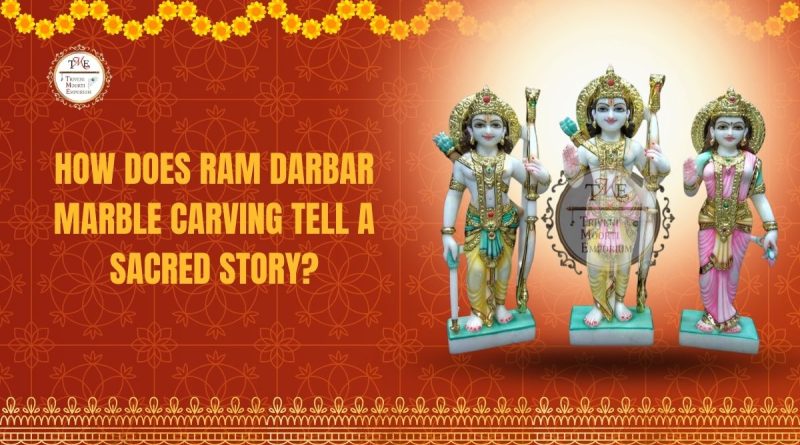
How Does Ram Darbar Marble Carving Tell a Sacred Story?
A marble sculpture can communicate devotion, tradition, and timeless values through its smallest details. In Hindu culture, Ram Darbar represents Lord Rama, Goddess Sita, Lord Lakshman, and Lord Hanuman, bringing together ideals of righteousness, love, loyalty, courage, and service. The arrangement of these divine figures and the artistry behind their expressions help transform a simple piece of marble into a meaningful spiritual representation.
A ram darbar marble statue is admired not only for its religious significance but also for the craftsmanship that brings the characters to life. From the calm expression of Lord Rama to the devotion reflected in Lord Hanuman’s posture, every element contributes to a sacred narrative. Understanding these artistic details helps devotees and art enthusiasts appreciate the deeper meaning behind this traditional form of marble sculpture.
What Is the Sacred Story Behind Ram Darbar?
Ram Darbar represents the divine gathering of Lord Rama, Goddess Sita, Lord Lakshman, and Lord Hanuman. Each figure has a distinct place in the composition, symbolising values that continue to guide people in their personal and spiritual lives.
Lord Rama represents truth, duty, justice, and righteous leadership. Goddess Sita symbolises purity, patience, strength, and devotion. Lord Lakshman reflects loyalty and sacrifice, while Lord Hanuman embodies courage, humility, and selfless service.
These qualities are expressed through the figures’ postures, facial expressions, clothing, ornaments, and positioning. A carefully designed Ram Darbar marble moorti brings these symbolic elements together, allowing the viewer to understand the story through visual art rather than words alone.
For devotees, the sculpture can serve as a reminder to practise honesty, fulfil responsibilities, respect relationships, and remain committed to their values.
How Does Marble Carving Bring Divine Characters to Life?
Marble carving requires patience, precision, and a clear understanding of the intended design. Artisans begin by studying the composition and identifying the areas that need detailed shaping. They gradually remove excess stone to develop the outlines, proportions, and features of each figure.
The process usually involves several stages:
- Design planning: The artisan establishes the arrangement, proportions, and overall appearance of the sculpture.
- Stone selection: Marble is assessed for its colour, texture, visible veins, and suitability for detailed carving.
- Rough shaping: The main forms of the figures and their supporting elements are created.
- Detailed carving: Facial features, garments, jewellery, crowns, and decorative patterns are carefully developed.
- Finishing and polishing: The surface is refined to improve its appearance and highlight the natural beauty of the marble.
Each stage influences the final result. When the carving is balanced and the expressions are carefully executed, the sculpture can communicate serenity and devotion while retaining the natural character of the stone.
Why Are Facial Expressions Important in Ram Darbar Marble Art?
Facial expressions are among the most meaningful details in religious sculpture. Even small differences in the eyes, eyebrows, lips, and overall expression can influence how a figure is perceived.
Lord Rama is often depicted with a composed and compassionate expression, reflecting wisdom, responsibility, and confidence. Goddess Sita may be represented with a gentle and dignified appearance that communicates grace and inner strength. Lord Lakshman’s expression and posture often reflect attentiveness and loyalty, while Lord Hanuman’s appearance conveys humility and devotion.
A well-crafted Ram Darbar marble statue balances these expressions so that each character remains distinctive while contributing to the unity of the complete composition.
Artisans must pay close attention to proportion and symmetry. Overly sharp features or poorly balanced facial details can affect the sculpture’s overall appearance. Thoughtful carving, on the other hand, helps create a peaceful visual experience that complements the sculpture’s spiritual purpose.
What Do the Postures and Positions of the Figures Symbolise?
The arrangement of the figures is an essential part of Ram Darbar’s visual storytelling. Their relative positions help establish relationships, communicate reverence, and create a balanced composition.
Lord Rama and Goddess Sita are commonly placed centrally, representing the principal divine couple. Lord Lakshman is positioned as a devoted brother, while Lord Hanuman is frequently shown in a respectful posture near Lord Rama.
The precise arrangement can vary according to the artistic tradition and the sculpture’s design. Some compositions feature standing figures, while others include seated representations, decorative thrones, or elaborate back panels.
In a traditional Ram Darbar marble moorti, these positioning choices help express devotion, family bonds, loyalty, and the importance of dharma, or righteous conduct.
The relationship between the figures also gives the sculpture a sense of unity. Instead of appearing as separate statues placed together, the characters form one meaningful scene that represents an enduring spiritual tradition.
How Do Clothing, Ornaments, and Decorative Details Add Meaning?
Clothing and ornaments contribute to both the visual beauty and the symbolic character of the sculpture. Crowns, necklaces, armlets, garments, and decorative borders are often carved to distinguish the figures and reflect traditional iconography.
These elements require considerable attention because marble is a solid material that must be shaped carefully to create fine patterns and realistic depth.
Artisans may use shallow carving for delicate fabric details and deeper carving to make selected ornaments stand out. The contrast between smooth surfaces and intricate decoration creates visual depth without relying on colour alone.
A thoughtfully designed Ram Darbar marble statue maintains a balance between decoration and simplicity. Too many decorative elements can make the composition appear crowded, while carefully placed details can enhance its elegance.
The pedestal and background panel also contribute to the complete design. Floral motifs, arches, and traditional patterns may frame the figures, giving the sculpture a finished appearance while keeping the central characters prominent.
How Does Marble Quality Influence the Final Sculpture?
The quality of marble affects the carving process, the durability of the finished piece, and its visual appeal. Different marble varieties can have variations in whiteness, texture, density, and natural veining. These characteristics influence how the stone responds to shaping and polishing.
Before purchasing a marble sculpture, buyers should consider the following factors:
- Surface quality: Look for a consistent finish appropriate to the chosen design.
- Carving precision: Check the facial features, fingers, ornaments, and clothing details.
- Structural integrity: Examine the base and delicate sections for visible cracks or damage.
- Proportion and balance: Ensure the figures appear harmonious and the sculpture stands securely.
- Finishing quality: Check whether the polishing is even and whether intricate details remain clearly visible.
- Suitability for placement: Consider the size, weight, and available space before making a selection.
A high-quality sculpture is not defined by whiteness or size alone. Careful craftsmanship, appropriate stone selection, balanced proportions, and sound construction all contribute to its overall value.
Choosing a well-made Ram Darbar marble moorti means looking beyond its first impression and evaluating the details that make it suitable for long-term display and worship.
Where Can a Ram Darbar Marble Statue Be Placed?
Ram Darbar sculptures are commonly placed in home temples, prayer rooms, and other dedicated worship spaces. Some families also choose them for larger devotional settings where the complete composition can be appreciated.
Before deciding on placement, measure the available space and consider the sculpture’s height, width, and depth. The surface should be stable and capable of supporting its weight. Adequate lighting can help highlight the carving without creating excessive glare on the polished marble.
Many devotees follow their family’s religious customs or consult a knowledgeable priest when deciding on the placement and worship practices associated with a sacred sculpture. These preferences may differ between households and traditions.
For a compact prayer room, a smaller Ram Darbar marble statue may be more practical than a large, elaborate design. In a spacious temple, a detailed composition with a decorative backdrop may create a more prominent focal point.
The most suitable choice is one that fits the available space, respects personal beliefs, and allows the sculpture to be maintained properly.
How Can You Choose a Ram Darbar Marble Moorti That Suits Your Needs?
Selecting a sculpture involves balancing artistic preferences, practical requirements, and spiritual significance. Begin by deciding where it will be placed and how much space is available. Then compare designs based on the arrangement of the figures, the level of carving detail, and the finish.
It is helpful to examine close-up photographs or inspect the sculpture in person whenever possible. Pay attention to the expressions, the alignment of the figures, the quality of the decorative work, and the condition of the base.
Buyers should also ask about the type of marble used, the dimensions, the cleaning requirements, and whether the sculpture is handmade. Prices can vary according to the stone, size, carving complexity, and amount of finishing involved, so comparing these factors provides a more meaningful assessment than considering price alone.
Those exploring traditional marble craftsmanship can look at the collections and designs offered by Triveni Moorti Emporium to understand the range of styles available for devotional spaces.
Taking time to compare craftsmanship and suitability helps buyers choose a sculpture that reflects their preferences while respecting the significance of the subject.
How Should You Maintain a Marble Ram Darbar Sculpture?
Proper care helps preserve the surface and carved details of a marble sculpture. Regular dusting with a soft, dry cloth is generally suitable for routine cleaning. For light dirt, use a slightly damp, soft cloth and dry the surface gently afterward.
Avoid harsh chemical cleaners, acidic products, abrasive pads, and rough brushes because they may damage the finish. Water should not be allowed to collect around delicate joints or the base for extended periods.
When moving a larger sculpture, support its weight from the base and avoid lifting it by the hands, ornaments, or other projecting details. Heavy pieces may require professional assistance to prevent accidental damage.
Keeping the surrounding area clean and protecting the sculpture from accidental impacts can help maintain its appearance for years.
Conclusion
Ram Darbar marble carving is more than a decorative art form. Through expressions, postures, ornaments, and carefully balanced composition, it communicates a sacred story centred on righteousness, devotion, loyalty, and compassion.
A thoughtfully crafted Ram Darbar marble statue brings these values into visual focus, while the artistry of the stone gives each figure its own character. Understanding the carving process, symbolic details, marble quality, and maintenance requirements allows buyers to make a more informed choice.
Whether selected for a home temple or another devotional setting, a well-crafted ram darbar marble moorti can remain a meaningful part of spiritual life and a lasting example of traditional Indian craftsmanship.


