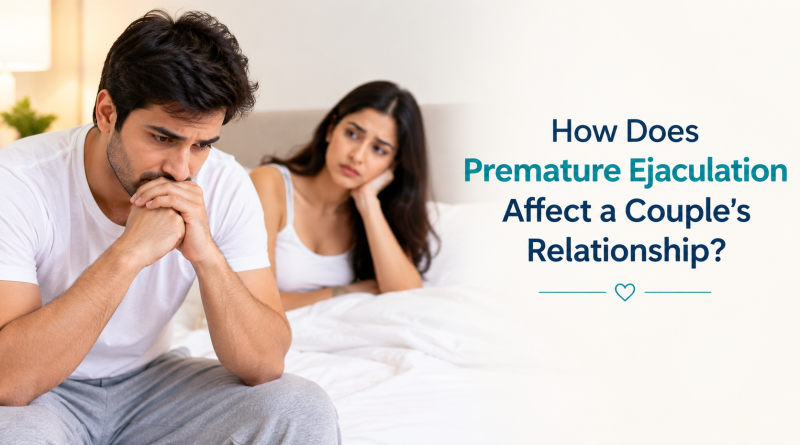
How Does Premature Ejaculation Affect a Couple’s Relationship?
A healthy relationship depends on emotional closeness, trust, mutual understanding, and comfortable physical intimacy. However, sexual health concerns can sometimes create difficulties between partners. One such concern is premature ejaculation, which occurs when a man ejaculates sooner than he or his partner would like, often with limited control over ejaculation. When this happens repeatedly and causes distress, it can affect sexual satisfaction, confidence, and relationship dynamics.
Premature ejaculation is a common sexual health concern, but many couples hesitate to discuss it because of embarrassment or fear of judgment. Over time, avoiding the subject may lead to misunderstandings and emotional distance. Understanding its effects can help couples approach the issue with patience and seek appropriate medical guidance. Individuals experiencing persistent symptoms can explore premature ejaculation treatment in Jaipur to understand the possible causes and available management options.
1. Reduced Sexual Satisfaction for Both Partners
Sexual satisfaction can be an important part of a couple’s intimate relationship. When ejaculation occurs earlier than expected, one or both partners may feel that their sexual experience has ended before their needs have been met.
Repeated experiences of this kind can create frustration, particularly when couples find it difficult to discuss their expectations. However, sexual satisfaction is not determined by intercourse duration alone. Emotional closeness, affection, communication, and other forms of intimacy also contribute to a fulfilling relationship.
Couples can benefit from discussing what makes intimacy comfortable and satisfying for both partners rather than focusing exclusively on timing.
2. Performance Anxiety and Loss of Confidence
Men experiencing premature ejaculation may begin to worry about their sexual performance. They might anticipate the same outcome before intimacy even begins, creating a cycle of anxiety and increased self-consciousness.
This pressure can make it difficult to relax and enjoy sexual activity. Some men may also compare themselves with unrealistic expectations portrayed in films or online content, further affecting their confidence.
A supportive partner can help reduce this pressure by avoiding criticism and reassuring the man that sexual difficulties do not define his worth or ability to maintain a loving relationship.
If anxiety continues to affect intimacy, professional counselling or medical evaluation may help identify contributing factors. Appropriate premature ejaculation treatment can also be considered when symptoms persist and cause significant distress.
3. Emotional Distance Between Partners
When sexual difficulties remain unaddressed, couples may gradually become less comfortable expressing their feelings. One partner might feel disappointed, while the other may feel embarrassed or inadequate.
These emotions can sometimes lead to reduced affection, fewer intimate conversations, or misunderstandings about each other’s needs. A partner may mistakenly interpret avoidance as a lack of attraction or interest, even when the underlying reason is anxiety about sexual performance.
Maintaining emotional closeness requires honest and respectful communication. Couples should make time to talk outside intimate situations, when neither partner feels pressured to respond immediately.
Reassurance, patience, and a willingness to understand each other’s experiences can help rebuild trust and strengthen the relationship.
4. Avoidance of Sexual Intimacy
Some men begin avoiding sexual activity because they fear disappointing their partners or experiencing embarrassment. They may make excuses, delay intimacy, or withdraw from situations that could lead to sexual contact.
Although avoidance can temporarily reduce anxiety, it may create confusion and emotional distance over time. The other partner might wonder whether the relationship has changed or whether their attractiveness is being questioned.
Couples can work together to reduce this pressure by recognising that intimacy does not always need to involve intercourse. Spending time together, sharing affection, and maintaining physical closeness without expectations about sexual performance can help restore comfort.
When avoidance becomes persistent, consulting a qualified sexual health professional can help couples understand the underlying causes and explore appropriate solutions.
5. Miscommunication and Relationship Conflicts
Premature ejaculation can sometimes become a source of disagreement when partners do not openly discuss their concerns. One partner may feel that their needs are being overlooked, while the other may interpret questions or suggestions as criticism.
Repeated arguments can turn a manageable sexual health concern into a broader relationship issue. In some cases, couples may avoid discussing intimacy altogether because they fear another disagreement.
Using calm, non-judgmental language can make these conversations more productive. Instead of assigning blame, partners can explain how they feel and what support they need.
For example, saying, “I want us to understand this together,” may encourage cooperation more effectively than making negative comments about sexual performance.
Both partners should feel heard, respected, and involved in decisions about seeking help.
6. Impact on Mental and Emotional Well-Being
Ongoing sexual difficulties can contribute to stress, embarrassment, low self-esteem, and relationship-related anxiety. Some men may become excessively concerned about whether they will be able to satisfy their partners, even before sexual activity begins.
Their partners may also experience frustration, disappointment, or uncertainty about how to provide support. These feelings can become more difficult to manage when conversations about sexual health are avoided.
Premature ejaculation does not automatically indicate a psychological disorder or a lack of attraction. It may be associated with several factors, including anxiety, sexual conditioning, relationship stress, or certain medical conditions.
If distress becomes persistent or starts affecting everyday life, a qualified healthcare professional can assess the situation and recommend suitable support. Counselling may also help couples address communication difficulties and reduce performance-related pressure.
7. Can Premature Ejaculation Affect Long-Term Relationships?
Premature ejaculation does not inevitably damage a marriage or long-term relationship. Many couples continue to enjoy strong emotional bonds and satisfying intimate lives while managing this concern.
However, difficulties may become more challenging when the issue remains unaddressed, communication breaks down, or either partner feels blamed. Over time, unresolved frustration can affect affection, trust, and relationship satisfaction.
The important factor is how couples respond to the problem. Approaching it as a shared concern rather than an individual failure can encourage understanding and cooperation.
Partners should remember that a healthy relationship includes emotional support, mutual respect, and flexibility. Sexual performance is only one aspect of a much broader connection.
8. How Can Couples Manage Premature Ejaculation Together?
Several practical steps can help couples manage the emotional and relational effects of premature ejaculation.
Communicate openly: Discuss concerns calmly and honestly. Choose a comfortable time to talk rather than raising the subject during an upsetting intimate experience.
Avoid blame and comparisons: Negative comments, teasing, and unrealistic expectations can increase anxiety. Focus instead on understanding each other’s needs.
Reduce performance pressure: Intimacy should not become a test that one partner must pass. Prioritise connection, comfort, and mutual enjoyment.
Explore different approaches to intimacy: Affection, touching, and other mutually comfortable activities can help maintain closeness without making intercourse duration the only measure of satisfaction.
Consider stress management: Relaxation exercises, regular physical activity, and adequate sleep may support general well-being and help some people manage stress.
Seek professional guidance: If ejaculation occurs sooner than desired repeatedly, feels difficult to control, or causes significant distress, a healthcare professional can evaluate possible causes and discuss suitable treatment options.
Couples seeking premature ejaculation treatment should understand that management depends on individual symptoms, medical history, and contributing factors. Behavioral techniques, counselling, psychological support, and medication when clinically appropriate may be considered.
9. When Should Couples Consult a Sexologist?
Occasional early ejaculation can happen and does not necessarily indicate a persistent medical problem. However, professional assessment may be helpful when the issue occurs repeatedly, causes distress, affects sexual satisfaction, or creates ongoing relationship difficulties.
A qualified sexologist can discuss symptoms, assess possible physical and psychological contributing factors, and explain suitable treatment options. Couples should avoid unverified products or medicines advertised as guaranteed solutions.
For individuals considering premature ejaculation treatment in Jaipur, a professional consultation can provide an opportunity to discuss their concerns confidentially, understand possible causes, and explore an individualised approach to care.
Early guidance may help reduce anxiety, improve communication, and support a healthier intimate relationship. Treatment outcomes vary, and the most suitable approach depends on the individual’s circumstances.
10. Consult Dr. Saatiish Jhuntrraa at Vivan Hospital
Sexual health concerns can feel difficult to discuss, but seeking professional advice is a practical step towards understanding and managing them. A qualified specialist can assess symptoms, consider physical and psychological contributing factors, and recommend an appropriate course of care.
Dr. Saatiish Jhuntrraa is a leading Sexologist in Jaipur with over 37 years of experience at Vivan Hospital. He specialises in treating male and female sexual health problems and has treated more than 40,000 patients.
He completed his MBBS from PGIMS, Rohtak, Haryana, in 1983, followed by postgraduate studies in Psychiatry from CIP, Ranchi, in 1988. In 2015, he passed the Fellowship examination of the Multidisciplinary Joint Committee of Sexual Medicine in Madrid, Spain. He holds the FECSM qualification and has presented papers at national conferences and delivered talks on sexual medicine to the Indian Medical Association and the general public.
Individuals searching for the best sexologist in Jaipur can consider a consultation with an experienced sexual health professional to discuss their concerns and understand the available options. Professional guidance can help individuals make informed decisions without relying on misconceptions or unverified treatments.
Conclusion
Premature ejaculation can affect a couple’s relationship through reduced sexual satisfaction, performance anxiety, communication difficulties, and emotional distance. However, these challenges do not have to determine the future of a relationship.
Open communication, mutual understanding, reduced performance pressure, and appropriate professional guidance can help couples manage the concern more constructively. Both partners should remember that intimacy involves much more than sexual duration.
When the problem becomes persistent or causes distress, seeking medical advice can help identify possible causes and suitable treatment options. With patience and the right support, couples can work towards a more comfortable, respectful, and satisfying intimate relationship.
Frequently Asked Questions
1. Can premature ejaculation affect a marriage?
Yes. When it causes repeated frustration, anxiety, or dissatisfaction, it may affect communication and emotional closeness. Open discussion and appropriate support can help couples manage the concern.
2. Does premature ejaculation mean a man is not attracted to his partner?
No. Premature ejaculation does not necessarily indicate reduced attraction. It can be associated with several factors, including anxiety, individual sensitivity, sexual conditioning, and certain medical conditions.
3. Can premature ejaculation cause relationship stress?
Yes. Unresolved sexual difficulties may contribute to frustration, misunderstandings, and performance anxiety. Respectful communication can help prevent these concerns from developing into ongoing conflicts.
4. How can a partner support someone experiencing premature ejaculation?
A partner can offer reassurance, avoid criticism, discuss concerns calmly, and focus on mutual intimacy rather than performance alone. Encouraging professional help when needed can also be beneficial.
5. Is premature ejaculation treatable?
Yes. Several management options are available, depending on the cause and individual circumstances. These may include behavioural techniques, counselling, and medication when recommended by a qualified healthcare professional.
6. When should someone seek premature ejaculation treatment in Jaipur?
A consultation may be appropriate when early ejaculation happens repeatedly, feels difficult to control, causes emotional distress, or affects a couple’s relationship. A qualified professional can assess symptoms and discuss suitable options.


